
Why this is a proper headache
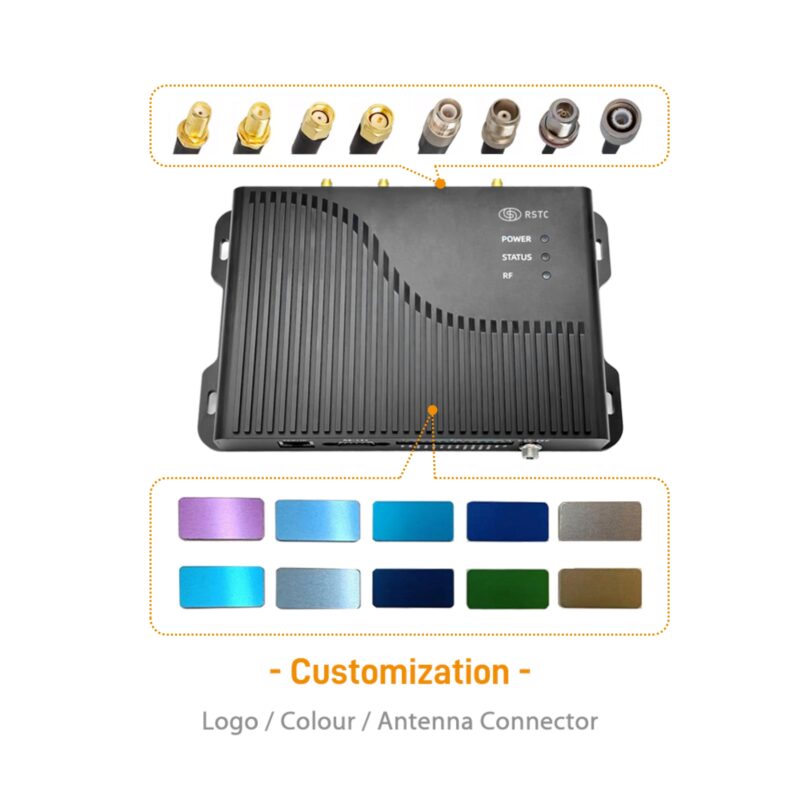
You’re chasing reliable read range, not fairy stories. Suppliers promise long reads and fast delivery, then you get tags that flake out in the yard and lead times that double. That’s the problem we’re fixing here — practical checks, quick decisions, and where to avoid getting stitched up. If you’re pairing tags with readers, start by checking compatibility: a decent test bench often includes a 4 port rfid reader so you can validate real-world performance before buying by the pallet.

Where sourcing goes pear-shaped
Manufacturers and resellers will sell spec sheets; those numbers are rarely the whole story. Common failures: quoted range assumes perfect lab antenna, MOQ hides sample costs, firmware quirks wreck multi-tag reads, and environmental tolerance is overstated. Customs and freight delays chew into lead time, so a cheap price can cost you weeks and extra handling. Think beyond price-per-tag — short-term savings turn into long-term bottlenecks.
Checks that actually matter before you commit
Do these steps before signing anything. 1) Request measured read-range curves using your antenna setup rather than claim sheets. 2) Ask for sample batches with the same production lot and firmware. 3) Confirm regulatory certification for your market (CE, FCC, ETSI). 4) Get clear lead-time guarantees and penalties for missed dates. 5) Verify return, repair and firmware-update support. Test tags in the real environment — metal, liquids and mounting angles change everything.
Experience and industry grounding
I’ve seen the difference between lab claims and backyard reality—testing at RFID Journal Live shows how reader/tag combos behave under stress, and that perspective matters when choosing long-read setups. Suppliers who can demonstrate performance at events like RFID Journal Live tend to be less dodgy. For reading distance specifically, always validate with a certified long-range device such as a long range rfid reader and cross-check in situ; lab numbers rarely match yard conditions.
Typical mistakes and how to fix them
Mistake: buying purely on price. Fix: cost-model total ownership — service, spares, retests. Mistake: trusting a single sample. Fix: insist on multiple lot samples and batch traceability. Mistake: ignoring firmware updates. Fix: require update support and clear rollback procedures. Mistake: underestimating antenna & mounting effects. Fix: prototype with actual fixtures and feed results back to supplier before mass order.
Alternatives worth considering
If active tags are giving hassles, weigh up these options. Passive UHF can be cheaper and simpler if you don’t need long continuous range. Battery-assisted/passive hybrids offer extended read without full active complexity. For dense-tag environments, look at readers with advanced anti-collision and good firmware rather than just raw power. Always match the tag class to the use case — asset tracking, vehicle ID and access control each favour different trade-offs.
Decision checklist for procurement
Use this quick checklist when negotiating: measured-range reports using your antennas, MOQ and sample policy, lead-time guarantees, certification proof, firmware and RMA terms, local support or regional spares, and a fallback supplier. Keep test logs and label lots — traceability saves time when a batch underperforms.
Bottom line
Sort the risk first, then haggle price. If you test with the right reader, demand batch testing, and lock down support terms, you’ll get dependable range without drama. That approach is what separates quick fixes from systems that actually work day-in, day-out — something the teams at RSTC lean on when they design and validate solutions. Keep it simple, test properly, and don’t pay for promises.