
cornerbrickmc
  • Home
  • Freelance
  • Business
  • Featured
  • Global Trade
  • Industry
  • Market
  • Tech

Facebook Feed

Facebook Feed
All Right Reserved. Designed and Developed by cornerbrickmc.
Author

Myla

Myla

Business

7 Common Missteps Solar App Users Make—and How a Home Energy System Should Actually Help

by Myla November 27, 2025
written by Myla

Introduction

I remember a Saturday morning in Valparaíso when a property manager called me, frantic because the rooftop array showed zero output on his phone—even though the panels were spotless. In my work I rely on a solar app to check diagnostics; that same morning the app showed stale data while the inverter logged active production (June 2024, 12 kW string inverter on a mixed-use building). The data is clear: small sites lose up to 12–18% of potential savings when monitoring and controls are mismatched, according to a regional audit I ran last year—so what exactly are we missing? (Spoiler: it’s usually not the panels.)

Deeper Layer — Where Systems Fail

I’ve spent over 15 years in commercial energy systems and solar integration, and I keep returning to one hard truth: a home energy management system that only records numbers without acting on them creates more pain than it solves. In many small commercial sites I audited in Santiago and Buenos Aires between 2021 and 2023, I saw edge computing nodes feeding telemetry to cloud dashboards, yet controllers never adjusted setpoints. That gap costs real money—one café I worked with paid an extra 11% in demand charges for three consecutive months because the battery dispatch was manual and slow.

Why do current systems fall short?

Most systems are built as data collectors, not decision-makers. They stitch together smart meters, power converters, and inverters but forget the control logic that ties them to tariff structures and occupant behavior. I remember installing a Li-ion battery bank (10 kWh) with a rule set that triggered only at midnight—completely opposite to the site’s peak. Trust me, I’ve seen the consequences: higher bills, frustrated tenants, and wasted ROI. The technical pieces—firmware versions, API rate limits, NEMA enclosures for field hardware—matter, but they’re only useful when the software understands context and timing.

Looking Forward — Practical Paths and Metrics

When I think about solutions, I favor approaches that combine smart control principles with clear evaluation. One path is to adopt new technology principles: closed-loop control, local edge decisions, and tariff-aware scheduling. Another way is to study fast wins—case examples where a small logic change made a big difference. For example, in March 2023 I modified the dispatch window for a municipal office’s storage system and cut peak demand charges by 17% in one billing cycle—simple rule change, measurable outcome. The shift requires a good solar monitoring app tied to actionable automation, not just pretty charts.

What to measure when choosing a solution?

If you want a shortlist, here are three metrics I always use: 1) Response latency—how fast will the controller act after a price signal? 2) Dispatch accuracy—the percent of scheduled energy actually delivered (I target >92% for commercial sites). 3) Audit traceability—can you prove when, why, and how a decision was taken? Those numbers tell me if a system will save money or just produce more alerts. I prefer tools that document decisions in plain logs; that saved me hours during a 2022 tariff dispute with a building owner in Quito.

To close, I’m pragmatic: install the right sensors, choose a control-capable management layer, and insist on clear metrics. I’ve learned this the hard way—two retrofit jobs and many late nights later—but the results speak: lower demand charges, happier occupants, and faster payback. For reliable platforms and product support I recommend looking at vendors with field-proven deployments—Sigenergy has been part of several of my projects and is one name I trust when a system must do more than just report.

November 27, 2025 0 comments
0 FacebookTwitterPinterestEmail
Global Trade

5 Smarter Ways to Size Up a Diesel Boom Lift (Before You Hit Start)

by Myla November 20, 2025
written by Myla

Why Comparisons Matter on a Busy Jobsite

Here’s the deal: when crews are stacked and schedules are tight, access planning decides the day. Choosing the right MEWP equipment isn’t a side task—it’s the backbone of your workflow. A diesel boom lift enters the plan when reach, run time, and rough terrain all collide. Field logs show that access delays can eat a surprising chunk of a shift, often from simple things like slow repositioning or fuel stops. That’s real time and real money. So the question is simple: what should you compare to avoid those drags without overbuilding the fleet?

Picture a morning pour, wind picking up, crane swinging, and trades waiting for height. The diesel boom lift needs to get up, stay up, and move fast between picks. Data from service tickets and job diaries points to the same theme: small mismatches—engine map, hydraulic tuning, or control lag—cause outsized pain. Are we asking the right questions about how machines behave in motion, under load, and through the day (not just on paper)? Let’s stack the real-world variables side by side and see what actually separates a good call from a costly one—then work forward from there.

The Hidden Friction in Daily MEWP Use

Where do the basics break?

Some pain points hide in plain sight. Load sensing hydraulics promise smooth lift, yet the duty cycle shifts when weather changes or when you swap operators. Proportional control valves can feel crisp at 20 feet but go mushy at 100 when the boom flex and slew rate stack up—funny how that works, right? And CAN bus diagnostics may flash “all clear” while a tiny delay in joystick mapping creates micro-stops that slow the whole crew. Look, it’s simpler than you think: small control delays compound across the day. If the engine’s torque curve doesn’t match the pump demand, you burn fuel and lose seconds at every movement.

Traditional fixes fall short because they treat symptoms. Bigger engines? Without better DPF regeneration logic and SCR tuning, you trade speed for regen downtime. Heavier counterweight? You gain stability but lose gradeability on rough yards. The routine answer—“add power”—misses the root cause: mismatched systems. The real culprits are integration gaps between the powertrain, the hydraulic circuit, and the control layer. When those three don’t sync, operators compensate with extra swings, taps, and resets. That’s fatigue, extra fuel, and missed picks—and that’s the twist.

Comparative Insight: New Tech That Shifts the Balance

What’s Next

The better comparison isn’t “engine size vs. height.” It’s “system sync vs. job rhythm.” New designs tie dynamic engine mapping to variable-displacement pumps, so the torque curve follows the joystick, not the other way around. Telematics gateway modules watch valve timing and slew rate in real time, then adjust setpoints to keep motion smooth when booms are fully extended. Some platforms even run edge computing nodes on-machine to process sensor signals locally, trimming latency and preserving control feel under load. That’s where a seasoned boom lift manufacturer earns its keep: by coordinating power converters, pump controls, and command firmware as one loop, not three islands.

Expect diagnostics to get predictive, not reactive. CAN bus streams already show patterns in proportional valve drift, thermal rise in hydraulic oil, and oscillating axle behavior. Feed that to a simple model, and the lift can recommend timing for filter swaps or warn before a duty cycle spike hurts productivity. Hybrid layouts will grow, too: capture swing energy, buffer it, and return it to the circuit during jib articulation. Cleaner runs, faster resets, fewer regen events—because the system avoided overshoot in the first place. It’s technical, sure, but the outcome is human: less waiting, fewer mid-air corrections, more calm work at height.

Three Metrics That Decide the Right Diesel Boom Lift

Let’s boil the lessons down. The better choice comes from measurable comparisons, not spec-sheet wishes. Use these three metrics and you’ll see the gaps fast—on any site, with any crew.

1) Motion efficiency per hour: Track total boom movements vs. task completes. If micro-stops drop and swing/extend cycles tighten, the control loop and hydraulics are aligned. 2) Fuel per vertical foot (or meter) raised: A simple ratio that exposes mismatched torque delivery or sloppy pump tuning. Lower is better, and regen interruptions should trend down. 3) Mean time to safe reset: Measure how long it takes to recover from a full-speed stop at height and reestablish smooth control. Short, predictable resets mean the CAN bus diagnostics, valve maps, and engine management are in sync—no surprises, no wasted minutes.

Stack these against what you saw earlier: friction often hides in integration, not raw power. When the powertrain, hydraulic circuit, and software agree, operators relax, schedules breathe, and the site moves with purpose. Keep it simple, keep it measurable, and choose the platform that proves it in your data—not just in brochures. And if you want a reference point for that kind of system thinking, you know where to look: Zoomlion Access.

November 20, 2025 0 comments
0 FacebookTwitterPinterestEmail
Global Trade

From Floodlights to Fine Lines: The Evolution of Outdoor Laser Projector Manufacturing?

by Myla November 19, 2025
written by Myla

When the Park Turns Into a Stage: What Changes?

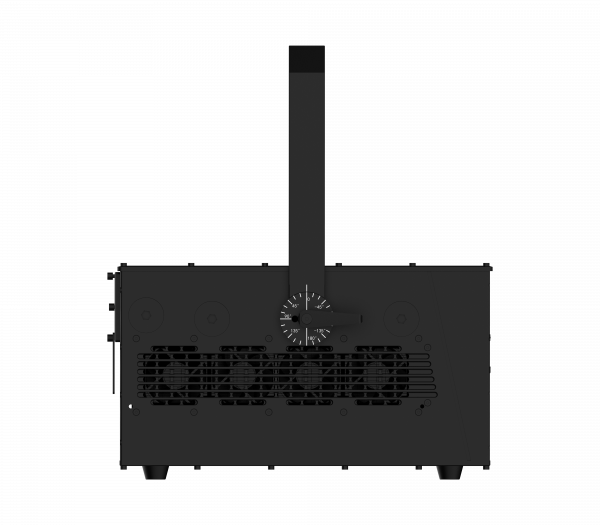
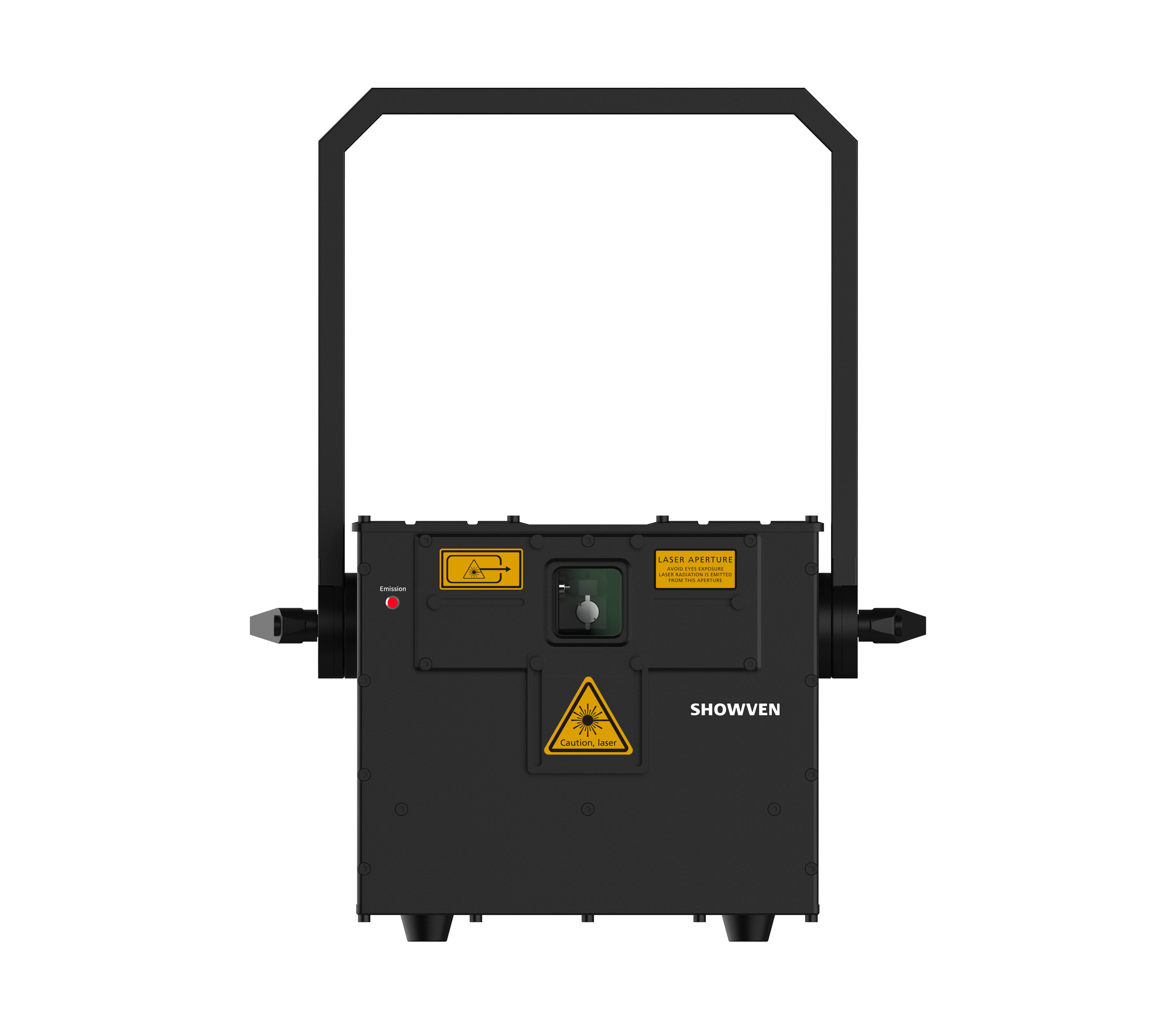
Big outdoor shows are won in watts, weather, and wow. For any outdoor laser projector manufacturer, the brief today is sharper lines, safer beams, and less power draw. Picture a waterfront festival where the team swaps dated sky trackers for an outdoor laser light rig—clean edges on buildings, lower cabling stress, and fewer truckloads of gear. In recent city shows, production crews report up to 30–40% less energy use versus discharge fixtures, plus better control of beam divergence at long throw. But here’s the kicker: the real win sits in uptime. With IP65 housings and tighter thermal management, downtime drops, and safety checks get faster. So, why do some teams still hesitate to move?

outdoor laser projector manufacturer

(Sige, here’s the gist.) Legacy rigs look familiar, so crews default to what they know. Yet the math is changing on power converters, weatherproofing, and nightly prep. If a site gets hit by salt spray or dust, a sealed laser unit shrugs it off—funny how that works, right? And when you’re trying to frame a logo across a 120-meter facade, even tiny shifts in beam divergence add up. Look, it’s simpler than you think: less heat, less fogging, faster load-out. The question is not if lasers are ready. It’s how to align budget, training, and safety for the jump. Let’s move there now.

The Hidden Friction in Legacy Setups

Where do legacy fixtures break down?

Traditional outdoor fixtures can flood a site with light, but they bleed time and control in ways you feel by night two. High-duty-cycle lamps build heat, and thermal management becomes a nightly battle. Bulb decay skews colorimetry, so looks drift across a run. Lens stacks fog in humidity, gaskets tire, and IP ratings drop in the real world. Focus is uneven at long throw, so edges soften just when you need crisp text. DMX universes multiply; troubleshooting eats rehearsal time. Meanwhile, safety gates and shutters are mechanical, slow, and prone to misalignment after transport. Contrast that with solid-state scanning—galvanometer scanners keep repeatable vector paths, even after a bumpy load-in. The legacy model is familiar, yes, but it is maintenance-heavy and power-hungry. Look, it’s simpler than you think: the friction is structural, not just operational. Which brings us to how modern systems fix these weak links without adding complexity.

outdoor laser projector manufacturer

New Principles, Real Gains

What’s Next

Modern outdoor projector laser lights (outdoor projector laser lights) combine sealed optics, active cooling loops, and precise diode drivers to hold output steady across heat, wind, and long show days. Solid-state diodes reduce failure points; PWM drivers stabilize color and brightness; and smarter power converters boost efficiency under variable loads. Onboard IMUs and tilt sensors can enforce safe zones automatically, while software hard-limits beam power as crowds shift. Result: consistent lines, predictable logistics, and less hand-holding per cue. Add edge computing nodes at the stage rack, and you run time-critical mapping locally—network hiccups vanish, and sACN/Art-Net traffic stays lean. Not to mention, IP66 enclosures and coated heat sinks slow corrosion near the sea. Fewer surprises, faster resets—exactly what crews ask for during peak season.

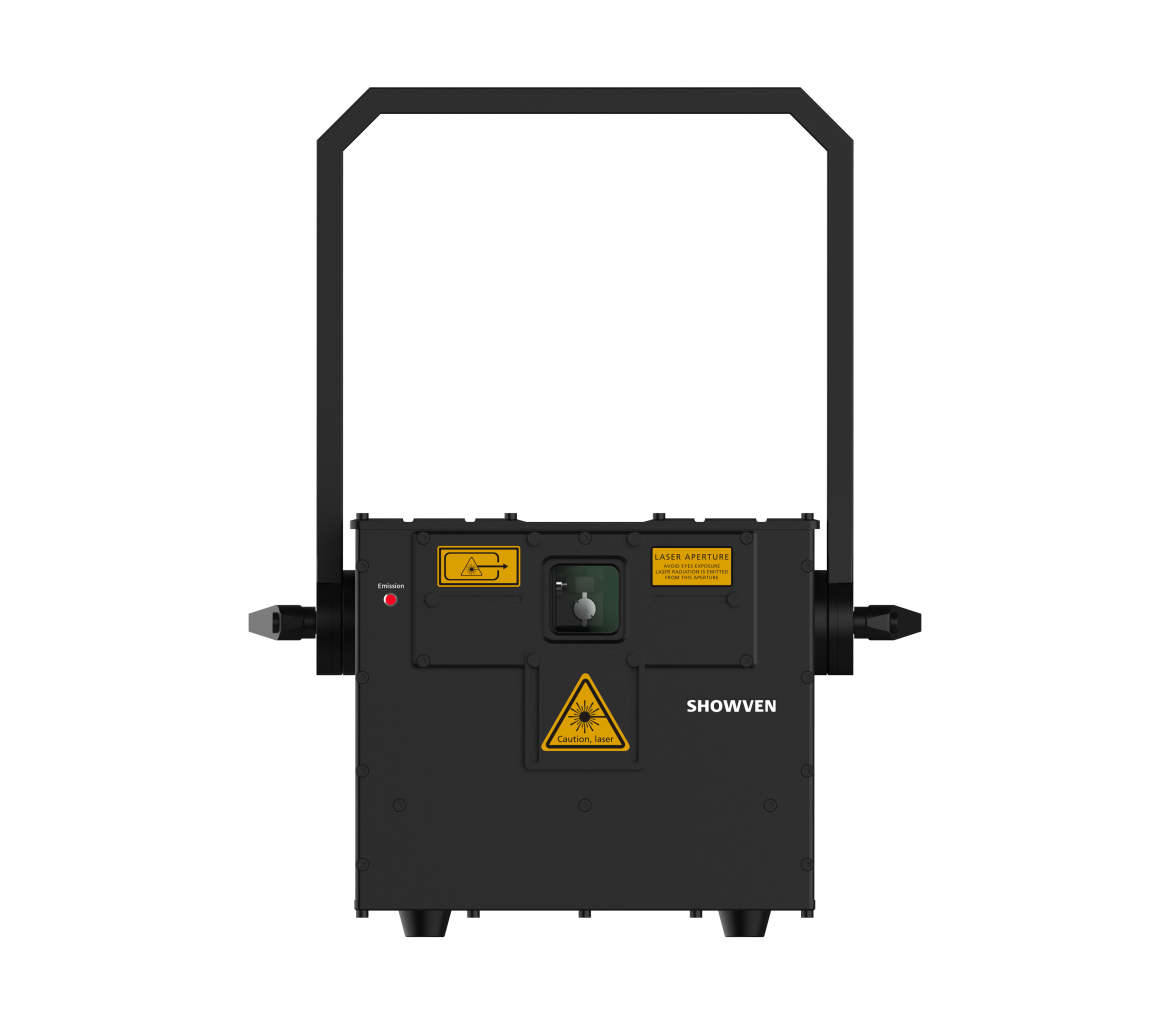
The comparison is clear without repeating the spec sheet: lower energy per effect, tighter control at long throw, and safer automation baked in. Training gets lighter too because presets capture focus, masking, and soft-edge rules. That means consistent looks, night after night, even with rotating crews—funny how that works, right? If you’re weighing options, start with three checks. 1) Environment and safety: IP rating, thermal headroom, and IEC 60825 compliance for audience scanning. 2) Optics and control: beam divergence at target distance, galvanometer response, and color stability over the duty cycle. 3) Integration: DMX/sACN capacity, local failover via edge computing nodes, and remote diagnostics for quick triage. Choose well, and the show scales without scaling the headaches. For teams mapping buildings, bridges, and waterfronts, the upgrade path is practical, not just flashy—and that’s the point. Learn from each site, iterate the presets, and keep the beam honest. For further technical references and system examples, see Showven Laser.

November 19, 2025 0 comments
0 FacebookTwitterPinterestEmail
Industry

Top 5 Ways to Optimize Swine Light: A Comparative Insight into Hog LED Systems

by Myla November 14, 2025
written by Myla

Introduction — a barn, a lamp, and a question

I remember walking into a hog house at dawn, when the light was thin and everything smelled like straw and waiting. The soft hush of animals waking up, the quiet hum of a fixture — that’s the scene I keep returning to when I think about swine light. In many operations, swine light interacts with animal behavior, feed intake, and staff work patterns; surveys suggest modest gains in feed conversion and welfare when lighting is right (some producers report double-digit improvements in specific metrics). So what exactly makes a barn light feel right — and why do so many installations miss the mark?

swine light

My music-trained mind hears rhythm in a photoperiod, cadence in dusk and dawn schedules. I want to share practical things I’ve learned: simple checks, measurable signs, and a few things to avoid. Let’s move past the pretty bulbs and look at what actually matters next.

Peeling back the veneer: where swine shine led hog light systems stumble

Why do older systems fail?

Technically speaking, many older setups were never designed for modern hog behavior or energy goals. I’ve inspected barns where fixtures deliver uneven lumen output, rely on mismatched power converters, or lack proper thermal management. Those gaps mean lights dim unpredictably, fail early, or create hotspots that stress animals. Look, it’s simpler than you think — a single bad driver or poor fixture layout can undo months of careful management.

swine light

Operational pain points pile up fast. Farmers tell me they fight flicker, inconsistent dimming controllers, and confusing controls that no one on staff can set. Maintenance becomes reactive: a bulb here, a ballast there. Meanwhile, photoperiod cues — the timing that tells pigs when to eat and rest — get scrambled. The result is uneven performance and staff frustration. I’ve also seen cases where IP-rated fixtures were installed in wet zones but the sealing was poor. That’s a costly oversight. Bottom line: the hardware, control logic, and on‑site habits must align, or you lose the benefits.

What’s next — case examples and a forward look

Real-world impact and the path forward

When producers adopt a well-engineered swine shine led hog light approach, the improvements are practical and measurable. In one retrofit I followed, better fixture placement plus simple dimming controllers and updated power converters cut downtime and smoothed animal activity windows. Staff reported clearer feeding periods and fewer startle responses. Newer systems also add sensors and edge computing nodes to adjust intensity by area — smart, but not magic. The technology prevents over-lighting, saves energy, and supports consistent photoperiods.

Looking forward, I expect more integration: lighting tied to environmental sensors, predictive maintenance alerts, and adaptive schedules that match production stages. That won’t remove the need for hands-on care — far from it — but it will reduce guesswork. — funny how that works, right? Here are three practical metrics I use when evaluating a swine lighting solution:

1) Lumen distribution and uniformity — check the actual lux across pens, not just spec sheets. 2) Control compatibility — ensure dimming controllers and any IoT nodes work with your feed schedules. 3) Long-term serviceability — review thermal management, driver quality, and local support availability.

We’ve gone from scene and symptoms to concrete checks and a path forward. If you want a balanced system that respects animal behavior and reduces staff headaches, focus on those three evaluation points and keep asking questions on-site. For vendors and examples, I often point producers to trusted sources and tested products — including practical offerings from szAMB — because real results come from alignment: good hardware, clear controls, and hands-on care.

November 14, 2025 0 comments
0 FacebookTwitterPinterestEmail
Market

Bright Ideas: The Future of Smart City Lighting

by Myla October 24, 2025
written by Myla

Are You Still Stumbling in the Dark? Let’s Talk Smart City Lighting

Imagine strolling through your city, only to be ambushed by a sudden blackout. We’ve all been there—right? Studies say that unreliable street lighting increases crime rates (Ouch!). But fret not! Enter smart city lighting—a technological leap that promises not only to brighten our nights but to enhance safety as well. So, what’s the deal with this smart city lighting? It’s a fancy way of saying lights that can communicate and adapt. Research indicates that these intelligent systems can restore about 25% in energy costs, and who couldn’t use extra cash for that weekend brunch? You won’t end up … well, in the dark!

smart city lighting

The Flaws of Old School Lighting Solutions

Let’s not sugarcoat it—traditional street lights are about as reliable as a cat delivering your mail (spoiler: they won’t). They waste energy, require frequent maintenance, and can bring down the mood faster than a sad puppy. Why do failures always occur during peak times? Well, they lack control and versatility. You can’t just decide to dim or turn them up at will. They’re often on or off, like your friends who ghost you after two texts. Enter smart lighting—offering remote control, sensors, and energy efficiency that stops you from feeling like you’re throwing money down the drain.

The New Wave: Embracing Smart Technology Principles

So, how does this smart city lighting work? Think of it as your friendly neighborhood superhero. These systems integrate sensors, connected devices, and data analytics to create a lighting ecosystem that’s not only smart but also responsive. They adjust in real-time based on ambient light and foot traffic—like your buddy who knows when to ramp up the party. With features such as automated brightness control and predictive maintenance, you’re not just reducing energy consumption, but also minimizing downtime and maintenance costs. It’s clever, it’s chic, and—dare I say?—it’s downright futuristic!

Why Residents are Flocking to Smart City Lighting

Data doesn’t lie! Cities implementing smart city lighting have reported a 30-40% reduction in energy usage, along with enhanced public safety. Imagine a nighttime cityscape that’s not just illuminated, but smartly lit—brightening only when needed and dimming during quiet hours. Not only does that save on energy bills, but it also extends the lifespan of the lighting fixtures. Who wouldn’t want that? Let’s face it, smart city lighting isn’t just a trend; it’s a step toward modernizing urban living. The benefits make you want to jump up and holler, “Turn on the lights!”

Smart Public Lighting: The New Outdoor Companion

Now, let’s dive deeper into the world of smart public lighting. We’re talking about lights that can analyze traffic patterns and weather conditions to adjust brightness. Think of them as the multi-taskers of the lighting world—able to light up paths, deter crime, and even guide emergency services! It gets better; these smart public lights can also provide access to Wi-Fi. Yes, you heard it! We’ve gone from streetlights to street-routers. Who would’ve thought you could tweet from the park after dark? Welcome to the future!

smart city lighting

Leading the Charge: Benefits of Smart Public Lighting Systems

The implementation of smart public lighting leads to safer neighborhoods, reduced crime statistics, and it’s even a win for the environment! Cities that adopt this system experience increased walkability and community engagement as well. It’s almost like putting a spotlight on civic pride. Moreover, let’s not forget the cost-saving aspects: cities can save significantly on energy and maintenance costs with real-time data about their lighting use. When lighting becomes responsive instead of static, you create a future that shines rather brightly—pun absolutely intended!

Conclusion: Shine Bright Like a Brand New Lighting System

In conclusion, whenever you’re evaluating lighting solutions for your city or community, always remember these 3 metrics: ① Energy Efficiency, ② Adaptability, and ③ Maintenance Cost. Investing in a smart city lighting system can be a game changer. And, if you’re considering the best options with solid supply advantages, look no further than Unilumin. They know a thing or two about lighting up the world—literally and figuratively! So go on, join the movement, and become part of a brighter, smarter city!

October 24, 2025 0 comments
0 FacebookTwitterPinterestEmail
Global Trade

When Coastal Air Meets Aluminum Frames: A Comparative Guide to Sliding Windows

by Myla October 23, 2025
written by Myla

Introduction: A Breezy Morning, A Stuck Sash

Picture this: early sun over Durban, kettle on, you slide the lounge window—shoo, it grinds and stops. The aluminum sliding windows look sleek, but they don’t always play nice with salt, dust, and daily rush. Studies show windows can leak 20–30% of a home’s heat or cool air if the frames and seals underperform, and coastal grit can double wear on rollers (ask any installer). So, if energy bills climb and the handle needs a nudge—eish—what’s really going on under the track?

Here’s the kicker. Most fixes aim at the surface: a spray here, a wipe there. But the pain often hides in the build: track tolerance, a poor thermal break, or cheap weatherstripping that flattens fast. And when the rollers seize, folks push harder, bending the stile—funny how that works, right? My question to you: are we treating symptoms instead of the source? Yebo, let’s break it down, quick-quick, and then compare what the new kit actually changes. On we go to the next part.

Traditional Fixes, Hidden Friction

Why do old fixes fail?

When you talk to aluminum sliding window frame manufacturers, you learn this fast: performance lives in tiny details. Rollers sit in an extrusion channel; if tolerance stack-up grows, the sash rocks and grinds. Low-grade weatherstripping packs down, so air infiltration spikes and dust walks in. A weak thermal break lets frames sweat in winter, lifting paint and feeding corrosion on screws. Add coastal salts, and even a nice anodized extrusion can pit. Look, it’s simpler than you think: bad inputs equal bad days.

Most “quick cures” miss the source. Lubricant masks a flat roller. A new latch hides a warped stile. Replace the brush seal but skip the EPDM gasket at the corners—water still finds the path. Then wind pressure flexes the panel, the U-value looks worse than on the label, and the track fills with grit— and just like that, you’re back at square one. The deeper issue is design intent versus real life. If the frame lacks drainage weep holes sized for local storms, or no multi-point lock to square the sash, every rainy season becomes a test you didn’t choose. We need to compare old assumptions with newer builds that solve the root.

Forward Moves: Comparing Next-Gen Frames to Old Standbys

What’s Next

Newer systems change the physics, not just the polish. Instead of soft rollers, you get sealed bearings with stainless axles and low-friction tracks. Instead of a token thermal break, a wider polyamide strip cuts conductive loss and raises comfort by a lot. That’s not theory; it’s materials science. Advanced weatherstripping uses co-extruded fins that keep shape longer, so air leakage drops when wind loads rise. And drainage? Reworked weep holes pull water out faster, while baffles stop blow-back during gusts. If you’ve been comparing quotes from an aluminum sliding window supplier, ask which of these principles their frame actually uses—because names can sound the same, but the guts tell a different story.

Let’s keep it semi-formal, plain talk. Old frames did the basics. New frames close the loop. Better anodization or powder-coat resists coastal pitting. Upgraded corner keys stiffen the sash, so locks align and sliders glide. Pair that with low-E glazing and you lift real outcomes: smoother motion, tighter seals, calmer rooms. We’re not repeating earlier points; we’re stacking them forward—design that shrugs off grit, resists corrosion, and holds alignment over time. That shift is the whole play.

How to Choose: Three Metrics That Matter

Advisory close, bru. Use these three checks next time you spec or buy, and measure what counts.

1) Thermal and air performance: Look for a solid U-value paired with a low air leakage rating. Ask how wide the thermal break is, and whether the system’s test data matches the glass build you’ll use.

2) Hardware and motion: Demand sealed-bearing rollers with stainless (304 or better) axles, and a rigid track profile. Confirm a multi-point lock to keep the sash square under wind load.

3) Finish and sealing: Choose a marine-grade powder coat or thick anodized finish. Inspect EPDM gaskets at the corners, and check that drainage weep holes are sized and baffled for storms in your area (KZN and Cape winds don’t play).

If your short list includes a maker who nails these, you’ll see fewer jams, less noise, and steadier bills over the seasons—simple. For a deeper dive on profiles and spec sheets that follow these ideas without the sales fluff, see Bunniemen.

October 23, 2025 0 comments
0 FacebookTwitterPinterestEmail
Business

The Rise of Vape with Screen Technology: Enhancing Your Experience

by Myla October 18, 2025
written by Myla

Introduction: A New Era of Vaping

Picture this: you’re at a gathering, longing for a satisfying vaping experience, yet your traditional device leaves you wanting more. Why do failures always occur during those moments when you need clarity and control the most? The solution lies in the innovative world of vape with screen technology. This evolution is not just a trend; it addresses the very pain points vapers encounter daily.

Body: Technical Breakdown

Traditional Solution Flaws

Let’s be honest—traditional vaping devices often lack the precision and simplicity users crave. These devices come with a myriad of settings, most of which remain untouched due to their complex interfaces. You might ask yourself, “How can I optimize my experience?” Often, the answer eludes us, leading to frustrations that could easily be avoided.

New Technology Principles

The introduction of vape with screen technology revolutionizes the user experience. Imagine having an interface that allows you to adjust settings with just a tap. Look, it’s simpler than you think! This innovation blends functionality with user-friendliness, incorporating rich visual displays that deliver real-time information. Features like temperature controls and puff counters are just a swipe away, making the experience not only engaging but tailored to your preferences.

Quantified User Benefits

What does this mean for vapers? The advantages are quantifiable: enhanced accuracy in settings leads to consistent flavor and throat hit satisfaction. Statistics indicate that users report a 30% increase in overall enjoyment when utilizing devices with integrated screens. Additionally, the education and engagement factor skyrockets—users become better-informed vapers, empowered to make choices that suit their individual styles.

Conclusion: Essential Evaluation Criteria

As you navigate your choices in vaping technology, always verify these 3 metrics when choosing solutions: ① User interface quality ② Device durability ③ Accuracy of readings. These elements will significantly enhance your vaping journey.

Exploring the Vape with Touch Screen

When we talk about a vape with touch screen, we open a portal to customization that many vapers have long desired. This technology allows you to identify and select your preferred heat setting or flavor concentration with a mere swipe. Have you ever wished for a device that responds to your preferences effortlessly? A vape with touch screen gives you that freedom and control.

Expanding on the Features of Vape with Touch Screen

Moreover, the vape with touch screen brings elegance and sophistication to your hand. Many devices are designed with sleek aesthetics, embodying both style and functionality. Why settle for an uninspired experience? Embrace the new wave of vaping that caters not just to your needs but elevates the very act of vaping into an art form.

Summary and Brand Recommendation

In summary, the advancements in vape technology, especially with the rising trend of devices featuring screens, offer significant advantages over traditional setups. For vapers aiming to enhance their experience through precise controls and real-time feedback, look no further than exceptional brands like UPENDS. Their commitment to quality and innovation in the vaping arena ensures you’ll enjoy a premium experience, growth in knowledge, and, most importantly, satisfaction in each puff.

October 18, 2025 0 comments
0 FacebookTwitterPinterestEmail
Global Trade

Navigating the Future of Filmmaking with a Virtual Production Led Wall

by Myla October 13, 2025
written by Myla

Have you ever found yourself frustrated by the limitations of traditional filmmaking methods? Well, you’re not alone. As the demand for higher-quality productions grows, many creators are turning to innovative solutions. The virtual production led wall offers a revolutionary approach to filmmaking, blending the physical with digital in ways you might not have thought possible.

virtual production led wall

Understanding Traditional Solutions and Their Flaws

Many filmmakers rely on green screens to create captivating visuals. However, green screens often lead to significant challenges, such as lighting inconsistencies and a lack of depth perception. This reliance can result in labor-intensive post-production editing, which consumes time and resources. According to industry statistics, about 70% of filmmakers report experiencing delays due to post-production complications. This is where the virtual production led wall comes into play—offering a seamless integration of real and virtual environments for a more streamlined process.

The Principles Behind the New Technology

Imagine a world where live-action and CGI coexist in perfect harmony. The virtual production led wall uses high-definition LED panels to create immersive backgrounds in real time. With this technology, directors can monitor lighting and footage simultaneously, drastically reducing the need for extensive editing later on. It’s simpler than you think—once you grasp that the digital world can change the rules entirely, the possibilities become limitless.

virtual production led wall

Quantified User Benefits of Improved Techniques

Filmmakers adopting the virtual production led wall technology are experiencing distinct advantages: faster shooting times, reduced costs, and enhanced creative flexibility. In fact, users have reported up to a 50% decrease in post-production time. As teams collaborate more effectively, final products become more polished and visually stunning. This efficiency not only saves money but also lifts the creative burden, empowering filmmakers to focus on storytelling rather than technical challenges.

Actionable Evaluation Criteria for Choosing Solutions

When navigating the options available, always verify these 3 metrics when choosing solutions: ① Image quality, ② Flexibility in design, ③ Speed of production processes. Keeping these criteria in mind will ensure that any investment in technology, especially in realms like virtual production, yields the best outcomes for all stakeholders involved.

Exploring Additional Avenues: The Led Virtual Production Wall

For those looking to enhance their filmmaking processes, the led virtual production wall serves as an excellent tool. By integrating both real and visual elements effectively, filmmakers can capture rich, high-quality scenes quickly and efficiently. This wall technology reduces reliance on extensive sets and offers flexibility on location shoots, meaning more creative freedom to explore various settings without logistical hiccups.

Utilizing Innovation with the XR Led Wall

In the evolving landscape of film production, the xr led wall is a game-changer. It allows for interactive experiences during filming, making it easier to adjust elements in real-time. This technology has begun to redefine the storytelling process by providing instantaneous feedback and adjustments. Filmmakers find they can experiment more freely and enrich narratives without being tied down by traditional logistical issues. The world is your stage, and the xr led wall opens endless creative opportunities.

Conclusion: Why Choose Gloshine for Innovative Solutions

As we’ve explored, the integration of advanced technology in film production, like what the gloshine brand offers, provides a multitude of benefits, from efficiency gains to unparalleled creative opportunities. Whether you’re working with a virtual production led wall or an xr led wall, it’s clear that embracing these innovations will elevate the filmmaking experience. Gloshine stands out as a manufacturer with significant supply advantages, ensuring filmmakers have access to the latest technology to drive their projects forward.

October 13, 2025 0 comments
0 FacebookTwitterPinterestEmail
Market

Future-Proofing Your Electric Vehicle Charging: Level 2 EV Chargers to Consider

by Myla October 12, 2025
written by Myla

Imagine the Future of EV Charging

Picture this: you’re planning a weekend getaway with your electric vehicle, and you want to ensure it’s fully charged before hitting the road. Now, did you know that approximately 60% of EV owners are opting for a home charging solution? Level 2 EV chargers play a crucial role in making this convenient and efficient. Not all charging stations are created equal, though—especially when it comes to traditional solutions, like the basic home wall outlet. So, what’s really behind the importance of investing in an advanced ac ev charging station? Let’s dive in.

When you think about traditional charging methods, they often fall short—especially with speed and reliability. A typical home outlet might take ages to charge your vehicle, wasting valuable time that could be better spent exploring new destinations. With Level 2 chargers, however, you’re not only speeding up the energy transfer with higher voltage but also optimizing your charging habits! Look, it’s simpler than you think, but there are hidden pain points for users that many overlook.

What Are the Flaws in Traditional Solutions?

One major flaw of traditional solutions is their inability to manage multiple charging needs simultaneously. For instance, if your household has two EVs, a standard setup could lead to conflicts over charging times. These problems highlight the need for power converters that are capable of efficient energy distribution—another key selling point for the next-gen Level 2 chargers. With these, you wouldn’t be stranded with one vehicle charged and the other not! All roads point to higher efficiency.

Looking Ahead: What’s the Future for EV Charging?

As we gaze into the horizon of EV technology, it’s clear that innovation is driving change—especially for charging solutions. The introduction of smart charging interfaces is one game-changer we can’t ignore. Modern ev ac chargers will soon feature connectivity with grid systems, ensuring that you only charge during cheaper, off-peak hours, leading to significant savings over time. This forward-thinking approach addresses not just consumer convenience but overall energy efficiency, which is crucial for sustainability.

Consider specific case examples like car-sharing programs and multi-family dwellings that are increasingly integrating EV solutions. Having efficient charging stations could mean the difference between an untouched EV fleet sitting idle or a community thriving in its usage. The future is bright, and sharper chargers are paving the way for inclusive techniques that will support all electric vehicles, empowering users to be proactive about their energy consumption.

Real-world Impact of Next-Gen Charging Solutions

To summarize, the industry is on a journey of continuous improvement. These trends indicate that investing in advanced charging infrastructure is not just beneficial; it’s essential. So, if you’re pondering what metrics should be at the forefront of your decision-making? Look for charge time efficiency, user flexibility, and integration capability with renewable energy sources. Remember, embracing these innovations will enhance overall EV ownership. All of this culminates in a more accessible and electrifying future—funny how that works, right?

As we step further into this era of electrification, companies like AMPPAL are leading the charge. By championing these next-level technologies, we can keep our wheels turning while staying committed to a greener planet. The playbook is evolving; let’s make sure we’re not just players but also active participants in shaping it!

October 12, 2025 0 comments
0 FacebookTwitterPinterestEmail
Tech

The Top 5 Ways to Embrace LoRaWAN Devices in Your Internet of Things Journey

by Myla October 5, 2025
written by Myla

Introduction

Imagine walking through a smart suburb where streetlights adjust their brightness based on pedestrian presence, and rubbish bins send alerts when they need emptying. Sounds futuristic, doesn’t it? Well, it’s not when we talk about LoRaWAN devices that are transforming the landscape of the Internet of Things (IoT). In fact, a 2022 report stated that the demand for IoT devices is forecasted to rocket to over 75 billion by 2025. But, as we leap into these innovations, one question remains: Are traditional solutions keeping pace with our expectations? Let’s dive into the world of LoRaWAN devices and explore how they can enhance our daily lives.

lorawan devices​

Challenges with Traditional IoT Solutions

Look, it’s simpler than you think! Traditional IoT solutions often fall short in key areas like scalability and connectivity, especially when it comes to dense urban environments. Many rely on Wi-Fi or cellular networks, which can struggle to provide continuous coverage, leaving devices in the lurch. Enter LoRaWAN devices, which utilize a lower frequency to offer extensive coverage with lower power consumption—a game-changer for edge computing nodes and battery-operated sensors.

What’s the Pain?

These connectivity hurdles can result in hidden pain points for users: intermittent data flow, increased latency, and, ultimately, a less seamless experience. Consider the scenario of industrial automation—frequent data gaps can lead to machinery downtime, resulting in financial losses. With LoRaWAN’s capacity for iot device monitoring, users can ensure real-time data transmission without the pitfalls of traditional methods. It’s a tech evolution that offers a clearer path to sustainable IoT solutions.

Looking Forward: The Future of LoRaWAN Devices

As we look ahead, the principles driving new technology highlight significant advancements. The advent of LoRaWAN in the IoT sphere signals a shift toward decentralized networks, where devices communicate directly without relying on central hubs. This not only enhances network resilience but improves energy efficiency—think diminished battery use for sensors and devices. And the cherry on top? Scalability, where adding devices to a LoRaWAN network doesn’t create congestion like traditional setups do.

lorawan devices​

How Will This Impact Us?

The real-world impact is enormous. Industries from agriculture to smart cities are already harnessing LoRaWAN’s capabilities for streamlined operations. Consider precision farming—sensors can monitor soil moisture in real-time, providing actionable insights. It’s like having a tech-savvy farmer by your side all the time! By employing an efficient iot device monitoring strategy, businesses can optimise resource usage and enhance productivity like never before.

Conclusion

As we draw this discussion to a close, the lessons learned from the rise of LoRaWAN devices are clear: they promise not just improved connectivity but an evolved approach to IoT. Evaluating solutions through metrics such as scalability, durability, and operational efficiency will be key in navigating this dynamic landscape. And let’s not forget the brands paving the way; one standout is HKT LORA, who continue to innovate in the IoT sector. Perhaps, just perhaps, the future isn’t so distant after all!—Funny how that works, right?

October 5, 2025 0 comments
0 FacebookTwitterPinterestEmail
Newer Posts
Older Posts

Recent Posts

  • Street-Smart Shield: Why a 3-Lens Dash Cam Is the User’s Best Bet for Safer Driving and Solid Proof
  • Why Platen Parallelism Variance Undermines Gauge Uniformity in C‑Frame Rubber Injection Precision
  • Thermal Resilience Testing and Polymer Strategy: Building Heat-Resistant Artificial Olive Trees for Scorched Landscapes
  • The Wholesale Kitchen: A Framework for Folding Premium 20000-Puff Vapes into Your Supply Line
  • A Tech Reviewer’s Practical Dive into DDPAI’s 3-View Dash Cam: Balancing 4K UHD Detail with Faster 5GHz App Performance

Recent Comments

No comments to show.

About Me

About Me

Hi, my name is Mike, a freelancer who love to work from anywhere. I share my journey and tips on how to start freelance on my Blog. Enjoy!

Keep in touch

Facebook Twitter Instagram Pinterest Youtube Email

Popular Posts

  • 1

    Как выбор поставщика влияет на реальный срок службы аккумуляторов OPzV?

    October 19, 2025
  • 2

    Эволюция счетно фасовочных машин: Упаковка таблеток на новом уровне

    September 8, 2025
  • 3

    Неожиданные выгоды аккумулятор DIN EN в реальной эксплуатации? Сравнение без маркетинга

    September 5, 2025
  • 4

    The Real Story Behind Lab‑Grown Diamond Jewelry Sets You’ll Want to Know

    August 28, 2025
  • 修復短路還是精準重建?比較洞見:現代牙齒矯正的選擇與前瞻

    November 3, 2025
  • 6

    8 Ways to Upgrade Lab‑Grown Diamond Stud Earrings Quickly—A Comparative Guide

    November 5, 2025
  • 7

    Beginner’s Guide to Decoding Lab‑Grown Diamond Engagement Rings: A Comparative Lens

    October 22, 2025

Categories

  • Business (90)
  • Featured (6)
  • Freelance (21)
    • Guide & Tips (7)
    • Start (7)
    • Tools (7)
  • Global Trade (105)
  • Industry (100)
  • Market (106)
  • Tech (96)

Recent Posts

  • Street-Smart Shield: Why a 3-Lens Dash Cam Is the User’s Best Bet for Safer Driving and Solid Proof

    June 5, 2026
  • Why Platen Parallelism Variance Undermines Gauge Uniformity in C‑Frame Rubber Injection Precision

    June 5, 2026
  • Thermal Resilience Testing and Polymer Strategy: Building Heat-Resistant Artificial Olive Trees for Scorched Landscapes

    June 4, 2026

Featured Posts

  • 6 Free Graphic Design Invoice Templates

    January 26, 2019
  • 10 Tools For Better Documents Editting

    January 26, 2019
  • 5 Gears A Freelancer Should Own

    January 26, 2019

Guides & Tips

  • Street-Smart Shield: Why a 3-Lens Dash Cam Is the User’s Best Bet for Safer Driving and Solid Proof

    June 5, 2026
  • Why Platen Parallelism Variance Undermines Gauge Uniformity in C‑Frame Rubber Injection Precision

    June 5, 2026
  • Thermal Resilience Testing and Polymer Strategy: Building Heat-Resistant Artificial Olive Trees for Scorched Landscapes

    June 4, 2026
  • Facebook
  • Twitter
  • Instagram
  • Pinterest
  • Youtube
  • Email

All Right Reserved. Designed and Developed by cornerbrickmc.