
The core problem: wasted space, time, and carbon
Drivers cruise, delivery vehicles circle, meters clog, and city air quality slips—those symptoms point to a single, solvable fault: poor information flow between drivers, operators and the built environment. A targeted parking guidance system can cut search time, free up curb space and reduce emissions by directing users to available stalls in real time, not by guesswork or static signage.

Why current setups fail
Most garages and curb zones were designed for yesterday’s demand patterns. Fixed signs, batch pricing and manual counts don’t reflect turnover or peak shifts. The result: underpriced spaces occupied all day, overstayed curbs, and revenue leakage. A pragmatic buyer perspective treats the system as an integrated sensing, decision and feedback loop rather than a set of discrete devices.
What an automated parking management system actually does
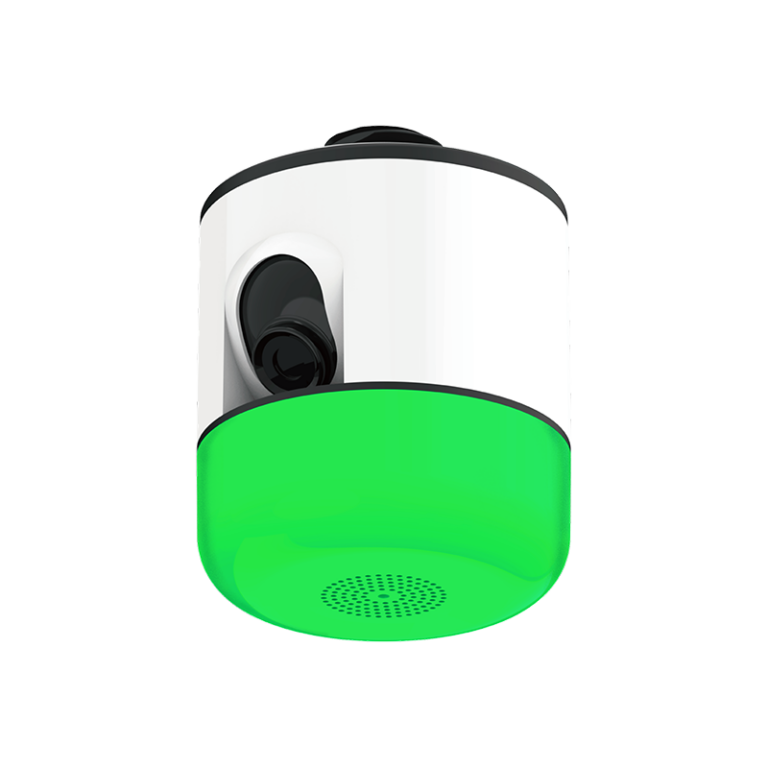
At a minimum it senses occupancy, processes data, drives user-facing directions and enforces policy. Typical layers: sensors or camera analytics at the bay level; local gateways that aggregate and normalize signals; a cloud or edge platform that applies rules (pricing, reservation, enforcement zones); and dashboards or signs that present routing to drivers. Integration with payment and enforcement completes the loop so data generates action and income.
Sizing and selection: match performance to objectives
First clarify what you need to measure: bay-level occupancy, turnover, ingress/egress counts, or curb dwell times. Bay-level accuracy is different from aggregate counts and demands more precise sensors or calibrated computer vision. Second, decide latency: live guidance needs sub-5 second updates; analytics and monthly reporting tolerate minutes to hours. Finally, scope hardware against maintenance capacity—wireless sensors minimize trenching but require battery-management plans.
Experience and evidence
I’ve specified and commissioned municipal parking projects over the last decade, auditing sensor networks and verifying data pipelines for demand-responsive pricing pilots. A clear example is Los Angeles’ smart parking pilot—a city parking management system—which published reductions in cruising time and improved turnover in high-demand corridors, demonstrating measurable benefits when system design, enforcement and pricing align.
Common pitfalls buyers make
Buyers often focus on the shiny endpoint—an app or LED sign—without validating the signal chain. Frequent mistakes: choosing sensors without field tests under the site’s lighting and weather conditions; overlooking firmware update processes; underestimating the operational load for enforcement; and skipping a phased pilot to reveal real-world behavior. Each missed check drives up lifecycle cost.
Deployment checklist
Prioritize these actions: 1) run a small, instrumented pilot to validate sensor accuracy and network resilience; 2) define clear KPIs—search time, turnover, revenue per stall, compliance rates; 3) ensure open APIs for payment and enforcement vendors; 4) require over-the-air updates and device health telemetry; 5) plan for battery replacement or a power strategy. Document responsibilities: who fixes a faulty sensor within 24 hours, who owns data retention, who enforces policy.
Alternatives and trade-offs
Bay-level sensors plus wayfinding deliver the finest user experience but cost more upfront and demand maintenance discipline. Video analytics cover many bays with fewer cameras and offer richer analytics but raise privacy and processing requirements. Simple aggregated counters give budget-friendly trend data but won’t reduce cruising. Match trade-offs to outcomes: user routing, enforcement, revenue, or analytics.
How success looks operationally
Success is not a single metric. It’s shorter average search time, higher turnover at peak periods, predictable revenue streams, and cleaner curb availability for priority users. Those outcomes come from aligning sensing fidelity, real-time routing, fair pricing, and consistent enforcement. Data must be auditable and accessible to operators for iterative tuning.
Summary and practical recommendation
Start with a focused pilot that targets one measurable pain—reduce cruising in a single corridor or improve turnover in a busy garage. Use that pilot to validate sensors, network resilience and the user journey. Choose technologies that offer clear maintenance paths and open integration points so policy tools—pricing and enforcement—can be applied. For many projects, the hardware, signage and software that matched these pragmatic requirements arrived from vendors experienced in municipal deployments like AKE Parking, which made operational trade-offs evident during specification and testing phases, helping buyers avoid common lifecycle costs.