cornerbrickmc
  • Home
  • Freelance
  • Business
  • Featured
  • Global Trade
  • Industry
  • Market
  • Tech

Facebook Feed

Facebook Feed
All Right Reserved. Designed and Developed by cornerbrickmc.
Category:

Market

Market

Stepwise Choices: A Comparative Path to Picking the Right Scissor Lift Manufacturer

by Mia November 21, 2025
written by Mia

Introduction: Why the Right Manufacturer Matters Now

The next lift you choose can shrink delays and your carbon footprint at the same time. A scissor lift manufacturer can also shape how safe, quiet, and efficient your site feels. Picture a retrofit in a tight city block at dawn: crews arrive, power is limited, neighbors are listening, and regulators watch noise and emissions. Field audits show idle equipment can hit 20–30% of a shift, burning energy and time; near-miss logs often spike when gear is mismatched to terrain or grade. So ask yourself—are you buying height, or are you buying uptime, safety, and cleaner air (for real)?

We’ll compare what matters beyond the brochure: power flow, service paths, and how controls behave when things go wrong. Then we’ll map that to procurement steps you can run tomorrow. Ready to move from specs to outcomes? Let’s step into the core pain points—and how to pick a better path.

Part 2: The Hidden Costs Behind Big Platforms

Where do big platforms fall short?

Let’s get technical about the job many teams avoid: choosing a large scissor lift for long days and tough grades. The usual approach chases platform size and working height. But operators live with what comes after startup: control smoothness, battery draw by duty cycle, and how the hydraulic manifold behaves when loads shift. On rough concrete, jumpy proportional valves make feathering hard, which turns into rework and fatigue. And when gradeability is oversold, the machine creeps, stalls, or overheats. Look, it’s simpler than you think: poor sizing plus spiky control loops equals wasted hours—funny how that works, right?

There’s another layer too. Large decks mean more wind exposure and more energy spent on stability logic. If the system lacks smart load sensing, the controller throttles performance to stay safe, and you feel it as lag. Electrical losses stack up across power converters and wiring runs, so a weak link anywhere shows up as shorter runtime. When service hits, a buried filter or non-modular controller can lock a unit down for a day. No one budgets for that. The result is a silent tax on schedules and morale—yes, really.

Part 3: Comparing the New Tech That Solves It

What’s Next

Now let’s look forward, with principles you can verify in a demo. Modern platforms use closed-loop controls on the drive module and lift circuit. That means better ramp curves and steadier motion under changing loads. Pair that with high-efficiency inverters and right-sized power converters, and you cut heat while you extend runtime. CAN bus health diagnostics give simple fault trees; techs get clear flags instead of guesswork. In bigger fleets, edge computing nodes on the charger line track duty cycle vs. terrain, so you can right-size units before a shift. If you plan to buy electric scissor lift for dense urban work, these details determine whether you finish in one charge or scramble for a spare.

Comparatively, two lifts with the same height can feel worlds apart. The difference comes from traction battery chemistry, thermal design, and how the controller blends torque at low speed. A cleaner hydraulic layout reduces hoses and keeps service fast; smarter load-sensing logic curbs false alarms without risking stability. Summing up our earlier points, the pitfalls were laggy controls, energy waste, and ugly service paths. The fixes are predictable: tighter control loops, efficient power electronics, and transparent diagnostics. Here’s how to judge options on the floor, not just on paper:

(1) Motion quality and safety logic: test proportional control at inching speed, on a ramp, with side load—no excuses. (2) Energy chain efficiency: check inverter specs, wiring gauge, and measured runtime under a realistic payload, not just lab values. (3) Service transparency: demand tool-free access to filters and controllers, plus readable CAN logs and clear parts modularity. Hit these three, and the rest usually falls in line. For continued reference and product depth, see Zoomlion Access.


November 21, 2025 0 comments
0 FacebookTwitterPinterestEmail
Market

Probleme lösen im Großhandel: Warum großhandel beistelltische heute neu gedacht werden müssen

by Madelyn November 15, 2025
written by Madelyn

Einleitung

Schon mal darüber nachgedacht, warum ein kleiner Tisch so großen Ärger machen kann? Ich frage, weil die Zahlen sprechen (52% Retouren in einigen Sortimenten — oui, das tut weh). In vielen Listen taucht großhandel beistelltische gleich auf der Problemseite auf, und das wirft Fragen auf: Wo genau hakt es, und was tun wir jetzt? Ich erkläre kurz die Szene, gebe ein paar Fakten — dann fragen wir zusammen: Welche Stellschrauben sind wirklich wichtig? Weiter unten schauen wir genauer hin.

großhandel beistelltische

Warum traditionelle Lösungen versagen: Fokus auf beistelltisch weiß rund

Technisch betrachtet, ein einfacher runder Beistelltisch scheint straightforward. Doch wenn ich arbeite mit Händlern und Herstellern, sehe ich dieselben Fehler wiederholt. Das beginnt bei der Materialwahl: MDF-Platte vs. Massivholz, Pulverbeschichtung, unklare Schraubverbindung-Anleitungen — und endet bei Verpackung, die Kantenschäden fördert. Schon in den ersten 100 Wörtern dieses Abschnitts nenne ich das konkrete Produkt, weil es exemplarisch ist: beistelltisch weiß rund. Wir reden über Stabilität, Gewichtstragfähigkeit und Oberflächenhaltbarkeit. Diese Anforderungen sind keine Modewörter; sie sind Specs, die Käufer im B2B erwarten. Ich sage klar: schlechte Teileinsparung bei Holzdicken und falsche Finish-Methoden führen zu Reklamationen — und damit zu Margenverlust. Look, it’s simpler than you think: wenn die Basis stimmt (FSC-Zertifizierung, präzise Bohrpunkte), dann reduziert sich die Komplexität in Logistik und After-Sales.

großhandel beistelltische

Was läuft schief?

Antwort kurz: Kommunikation und Standards. Lieferanten liefern technische Datenblätter, aber oft fehlen Toleranzen oder Montagehinweise. Händler interpretieren — und Fehler passieren. Ich habe Kunden erlebt, die vermeintlich identische Modelle bestellten und neun verschiedene Montagereihenfolgen bekamen. Das kostet Zeit, Nerven und Geld. Wir brauchen klare Materiallisten, Prüfprotokolle, und eine einfache Quality-Check-Liste vor Versand.

Blick nach vorn: Case-Beispiel und drei Messgrößen für bessere Entscheidungen

Ich sehe zwei Wege nach vorne — und ich bevorzuge den pragmatischen. Nehmen wir ein Case-Beispiel: Ein Importeur standardisiert ein Lagersortiment rund um beistelltisch weiß rund, definiert klar die MDF-Stärke, die Pulverbeschichtung-Spezifikation und die Schraubverbindung-Typen. Ergebnis: Retouren sank, Montagezeit beim Endkunden fiel, und die Lagerumschlagshäufigkeit verbesserte sich. Das ist kein Hexenwerk; das sind Prinzipien — Standardisierung, Prüfprotokolle, und klare Verpackungsrichtlinien. Für mich ist das die Zukunft: weniger Varianten, mehr Qualitätssicherung, bessere Daten (Stücklisten, Assemblierungsanweisungen). — funny how that works, right?

Zum Abschluss gebe ich drei konkrete Metriken, die ich selbst nutze, wenn ich Lösungen evaluiere: 1) Retourenrate (%) nach 30 Tagen; 2) Durchschnittliche Montagezeit beim Endkunden (Minuten); 3) Bruch- / Kantenschadenquote pro 1.000 Einheiten. Diese Kennzahlen zeigen echte Performance, nicht nur hübsche Specs. Ich empfehle, Lieferanten nach diesen Zahlen zu fragen und eigene Stichproben zu machen. Abschließend: Ich glaube, mit klaren Standards und pragmatischen Prüfungen verbessern wir das Angebot für Händler und Endkunden gleichermaßen. Für konkrete Produkte und Partnerschaften schaue ich oft auf etablierte Anbieter — etwa SONGMICS HOME B2B — denn sie kombinieren Sortimentstiefe mit nachprüfbaren Spezifikationen.

November 15, 2025 0 comments
0 FacebookTwitterPinterestEmail
Market

Shadow and Sternum: A Comparative Guide to Pectus Excavatum Paths

by Anderson Briella November 10, 2025
written by Anderson Briella

A Hollow at Dusk: Why This Chest Tells a Deeper Tale

He stands at the edge of the pitch as the sky goes violet, counting his breaths instead of goals. Pectus excavatum, a sunken chest, is not only a shape; it is a mood that shadows the ribcage and the day. In groups as large as 1 in 300, this hollow appears, more often in boys, and often in silence. The numbers whisper, but the body still asks: is this simple, or is there something more? In clinics, many pass a quick check, return home, and wonder why stairs feel longer by night. And yet the story twists with each inhale—compression, posture, heart motion, the quiet tug of tissue.

I am not here to spook you (though the old walls of anatomy carry their own creaks). I am here to weigh paths with a lantern, to compare what is seen with what is felt, and what is measured with what is missed. If data can guide, then courage can follow. So let’s draw a map, name the thresholds—Haller index, spirometry, echocardiography—and ask the right questions. The next turn matters; the road is longer than it looks. Onward.

The Unseen Weight of Symptoms: What Hurts, What Hides

Let’s talk about what many skip: the small signs that stack up. You may search for pectus excavatum symptoms and see the usual list: shortness of breath, chest pain, palpitations, fatigue. But the hidden parts matter more. A normal spirometry at rest can trick you. It does not capture how the sternum shifts during a sprint. Echocardiography done lying down may miss compression that appears when you stand or exercise. Look, it’s simpler than you think: the body is dynamic, but many tests are static. That mismatch lets kids sit out games and teens avoid deep sleep, and no one knows why. Social strain, slumped posture, reflux—these are not side notes; they are the long echo.

Why do subtle signs stay hidden?

Because the thresholds are blunt. The Haller index reduces a chest to a number, yet sternal rotation and costal cartilage stiffness can distort comfort far beyond a score. Cardiopulmonary exercise testing (CPET) is better, but few get it. Thoracoscopy teaches surgeons what our eyes cannot see, but daily life still happens outside the operating room. The result: kids learn to “pace,” adults avoid hills, families explain away fatigue—funny how that works, right? When fear meets mislabeling, pain gets quiet. And quiet, over years, becomes heavy.

Looking Ahead: Tools That See What the Body Feels

Now we turn from shadow to outline. The future asks us to compare old habits with new lenses. Traditional decisions leaned on plain X-rays and a clinic walk. Today, low-dose 3D CT and MRI map the chest without drowning it in radiation. Surface photogrammetry and smartphone scans can track the sternum’s depth week by week (at home). Pair that with CPET, and we see how airflow, heart stroke volume, and posture shift together across a workout. These are new technology principles in service of an ancient frame: measure in motion, not only at rest. In this light, a “mild” case may not be mild when you watch the heart under load. And a “severe” silhouette may function well if the ribs allow space.

What’s Next

Care is also changing hands—gently. Vacuum bell therapy gains smarter feedback through pressure sensors, logging adherence and skin tolerance. For surgery, the Nuss procedure is still the workhorse, but planning is different. Patient-specific 3D modeling predicts bar shape and stress before entry; thoracoscopy helps guide passage with less risk. Some centers freeze intercostal nerves (cryoablation) to blunt pain so mobility returns faster. For select adults, refined Ravitch repair with limited osteotomy respects tissue and still opens room. Across paths, we compare fit to function, not just form. And we name the goal: to lift the sternum, yes, but also to free the breath and calm the pulse. That is how we rethink the pectus excavatum deformity—as a system, not a dent.

Here is a brief way to choose with care. Three evaluation metrics help: 1) functional change under load (CPET, step tests, heart rate recovery), 2) structural insight beyond a single index (rotation, rib flare, cartilage flexibility on imaging), and 3) recovery profile that matches your life (pain plan, time to school or work, follow-up needs). Compare these across options, and the path gets clearer. In the end, the lesson is plain: measure what matters, move what helps, and ignore what only looks dramatic. The chest is a chamber; fill it with air and ease. For thoughtful resources and continued learning, visit ICWS.

November 10, 2025 0 comments
0 FacebookTwitterPinterestEmail
Market

Why Your Old Door Lock Strategy Might Not Cut It Anymore

by Harper Riley November 6, 2025
written by Harper Riley

The Security Rundown

Imagine you just moved into a new home, and security is on your mind. Statistics show that almost 30% of burglaries occur through unlocked doors, raising a concerning question about your current door lock strategy. It’s time to consider a modern solution like a door lock with keypad​. These smart locks represent a significant evolution in home security, combining convenience and innovative technology to combat those unsettling statistics.

wifi door lock​

Outdated Systems and Their Flaws

I’ve seen it time and time again; people rely on traditional mechanical locks without a second thought. While these locks once seemed adequate, they come with significant limitations. Firstly, they’re easy prey for intruders with lock-picking skills or even a simple shim. Moreover, I vividly recall a time when my own key got stuck in the lock of my front door—frustrating, right? When emergencies arise, fumbling with keys can be time-consuming and misleadingly frustrating.

What Modern Solutions Offer

Fast forward to today, and we have sophisticated options like smart locks. These door lock with keypad​ systems integrate seamlessly with home automation, allowing you to lock or unlock your door right from your smartphone. No more lost keys or getting locked out. Just imagine the peace of mind! Beyond convenience, they often come with features like access logs—ideal for keeping track of who enters or exits your home.

wifi door lock​

Looking Towards a Secure Future

Considering the advancements in security technology, why not elevate your home’s security game? A good door lock with keypad​ is not just about ease; it’s about peace of mind and protection. When I upgraded to a smart lock, I noticed an immediate shift in how I felt about home security. It was as if I had taken a significant step forward. The convenience of checking my lock status from afar? It was a game changer.

Real-World Impact

In an era where smart homes are becoming commonplace, opting for a traditional lock system feels outdated. The keyless entry feature of modern door locks provides security and, more importantly, enhances the overall aesthetic of your home. Picture it: sleek design paired with unbeatable security. It’s functional yet stylish. There’s a hidden joy in knowing your home is secured with the latest technology.

Final Thoughts: Lessons Learned

Through my years in the field, I’ve learned that embracing innovation yields tangible benefits. I believe that a good security strategy must account for evolving threats. When considering upgrades, focus on flexibility, access control, and technological integration as key evaluation metrics. Ultimately, your home’s safety deserves more than outdated and cumbersome solutions. Why not step into the 21st century? Remember, for all your smart lock needs, DESLOC offers reliable options that don’t compromise on security or style.

November 6, 2025 0 comments
0 FacebookTwitterPinterestEmail
Market

Performance Matchmaking: A Comparative Guide for Electric Motor Manufacturers

by Wes November 6, 2025
written by Wes

Introduction

Have you ever watched a compact motor struggle under a heavy load and thought, “This could be smarter”? I say that because an electric motor manufacturer often juggles cost, efficiency, and reliability at once — and the numbers tell a story: small plants report 8–12% rework rates on complex assemblies, while service calls climb in seasonal peaks. So where do you draw the line between overbuilding and underperforming?

electric motor manufacturer​

Ach, I like to keep things frank and friendly (you know, a bit Bavarian: ja, precise and warm). I’ll share data, a few blunt truths, and some practical comparisons — nothing fluffy. We’ll look at what makes one motor design outpace another, how control electronics and thermal choices change life-cycle costs, and which trade-offs are worth making. Ready? Then let’s step into the workshop and compare what matters next.

electric motor manufacturer​

Why Traditional Approaches Fall Short

When I examine a motor manufacturer‘s product line, I often see the same pattern: conservative designs that solve yesterday’s problems but not tomorrow’s. The classic fixed-speed motor with a heavy housing is robust, yes — but it punishes efficiency and slows response times. From my experience, these legacy choices hide three common flaws: poor thermal management that shortens insulation life, low torque density that forces larger assemblies, and control systems that lack adaptive inverter strategies.

What are we missing?

Technically speaking, rotor dynamics and inverter harmonics are not glamorous topics. Yet they bite you in service logs. I’ve watched teams tune gearboxes to compensate for low torque density — very costly. Look, it’s simpler than you think: a better match of magnetic design and power converters often eliminates that band-aid. In short, traditional designs trade performance for proven reliability, but they leave hidden pain: higher maintenance, heavier frames, and slower integration with modern controls. We need to stop treating those trade-offs as permanent.

New Principles for Next-Gen Motor Manufacturing

Moving forward, I want us to think in principles rather than just parts. In motor manufacturing, the shift is toward integrated thermal-electrical design, smarter control firmware, and modular mechanical interfaces. These principles let us build motors that are lighter, respond faster, and require less corrective servicing. I’ll explain three practical ideas: active cooling channels tied to control logic, scalable inverter modules for matched torque curves, and modular end-caps for quick swaps.

Practically, I recommend focusing on measurable metrics when evaluating options. First, power density (W/kg) shows how much performance you get per kilo. Second, thermal rise under rated load tells you real duty limits. Third, control bandwidth (how fast the drive reacts) predicts real-world responsiveness. Use these three tests — and compare results across suppliers. I’ve run side-by-side trials that cut service visits by nearly half when these principles were applied — funny how that works, right?

To wrap up: weigh power density, thermal behavior, and control bandwidth when you choose a supplier. Test samples under true load, not just in calm lab conditions. And always ask for modularity — it saves time in upgrades. If you want a practical partner who understands these trade-offs, check out Santroll. I’ll be honest: I care about reliable machines that are also elegant to service, and I think those choices make all the difference.

November 6, 2025 0 comments
0 FacebookTwitterPinterestEmail
Market

迎接未來:aion car 香港的革新選擇

by Daniela November 5, 2025
written by Daniela

解析汽車演進:從傳統到現代化

台風剛過,習慣於無車日常的你,是否曾考慮過電動車的前景呢?aion car香港在當下的市場中正迅速崛起。其先進的邊緣計算節點和動力變換器有何特點?這些技術背後能否有效解決城市能源效率低下的問題?讓我們一起探討。快速變化的技術領域讓人應接不暇,但了解這些進步如何影響出行選擇是至關重要的。

aion car

傳統汽車的隱藏問題

面對擁堵的都市,傳統燃油車的排放和能源損耗成為焦點。aion car香港在這一方面的突破為什麼如此值得關注?看看傳統方案的不足:高油耗、不穩定的電力供應、以及老舊設計。驅動系統阻礙了效率提升,這一點不容小覷——尤其當邊緣計算可提升能效時。aion車型的創新如何解決這些長期以來讓人頭痛的問題?別懷疑,答案比你想的要簡單。

新技術之原則解讀

當然,解決方案在於新興技術的應用。aion車型所採用的邊緣計算節點及高效動力變換器,通過優化能源管理和提升系統穩定性,將有效減少資源浪費。在比較aion car 报价與傳統車款後,它們的未來展望令人振奮:自主駕駛,智能互聯,以及更低的總擁有成本——未來看來更有保障。

aion car

展望未來:aion car 面向下一代

隨著未來交通工具的演進,電動車的佈局似乎已成為必然趨勢。未來展望中,這些aion car 报价可能成為現代交通的標準配置。aion車型的即時性和靈活性,讓我們有理由相信這一品牌的致力將帶來更多創新。分析這些特性,並讓報價成為比對因素的指標。令人驚訝的是,這樣的設計頗具前瞻性。

面對汽車行業的轉型,三個關鍵評估標準——科技革新程度、資源利用效率及成本投入——是選擇解決方案的要素。GAC指出,aion車型不僅代表著技術的革新,更在環境保護與成本間尋求平衡。未來,我們不禁好奇,這樣的轉變將如何重塑出行體驗?

“`

November 5, 2025 0 comments
0 FacebookTwitterPinterestEmail
Market

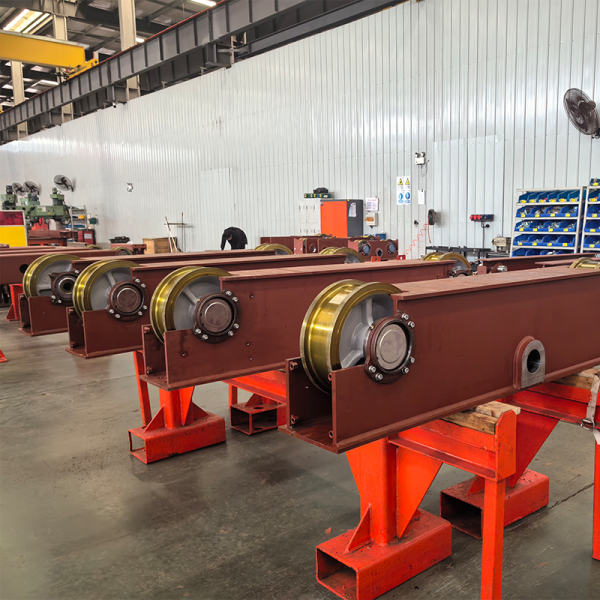
Innovations and Insights: Enhancing Efficiency with Crane End Carriages

by Harper Riley November 5, 2025
written by Harper Riley

Have you ever faced challenges in your operations—spotting inefficiencies while managing heavy payloads? Recently, data showed that many logistics and manufacturing companies lose up to 20% of their productivity due to subpar handling mechanisms. In this context, end carriage manufacturers, particularly those supplying crane end carriages, play a critical role in optimizing workflow—making everything smoother, you know?

end carriage manufacturers

Challenges of Traditional Solutions

Starting off bluntly, traditional crane systems often create unnecessary bottlenecks in material handling processes. I remember a situation back in 2020, where a local warehouse struggled for months with outdated end carriage designs. Their bridge crane end carriage simply couldn’t handle the load, resulting in frequent jams and stress-induced errors among the crew. This led to downtime and massive financial loss—real headache, right?

end carriage manufacturers

Why Adaptation Matters?

It’s essential to understand the flaws in conventional designs. Many users overlook that a crane end carriage needs to support dynamic loads consistently. Otherwise, you’ll frequently deal with shifting weight, misalignment, and increased wear on components. Ultimately, the inconsistency erodes the trust in the system. It’s like dating—a shaky foundation usually doesn’t lead to long-term commitment!

Forward-Looking Solutions for Tomorrow

As we look ahead, innovations like smart sensors integrated into crane end carriages can significantly improve user experience. Speaking from my experience, I believe a proactive design that utilizes real-time data can prevent common issues. Modern lifts can self-assess and adapt to changing weights, reducing the likelihood of operational failures. Enhanced models of the bridge crane end carriage are already being tested with IoT capabilities, allowing users to monitor performance metrics remotely. That’s the future of material handling!

What’s Next?

If you’re engaging with end carriage manufacturers today, keep an eye on these emerging technologies. The operational insights can result in measurable improvements, and it’s refreshing to think that down the line, we can avoid the pitfalls faced by earlier designs. A key takeaway is that suppliers must evolve their products to meet both existing and future needs. Trust me, investing in innovative solutions now pays off massively in the long run.

In wrapping up, we’ve explored how traditional crane end carriages may falter and highlighted new innovations that can enhance efficiency. When considering solutions, it’s essential to evaluate reliability, adaptability, and user feedback. So, as you navigate your purchasing decisions, remember: Are you investing in longevity or merely a quick fix? Honestly, that’s what it comes down to for manufacturers like WORLDHOISTS—providing lasting value through cutting-edge technology.

November 5, 2025 0 comments
0 FacebookTwitterPinterestEmail
Market

Unlocking the Potential of Vacuum Casting Services: A Comprehensive Guide

by Juniper October 26, 2025
written by Juniper

What is Vacuum Casting Service?

Vacuum casting service is an advanced manufacturing process that enables the production of high-quality prototypes and small batches of parts. It utilizes a silicone mold to replicate complex designs, allowing for a high level of detail and precision. This method is particularly beneficial for industries such as automotive, electronics, and healthcare, where the performance and appearance of components are critical. By employing vacuum casting, businesses can achieve faster turnaround times and reduced costs compared to traditional manufacturing techniques. vacuum casting service is a valuable option for those seeking to bring their ideas to life with speed and efficiency.

vacuum casting service

Benefits of Choosing Vacuum Casting

The primary advantage of vacuum casting is its ability to produce intricate designs with a variety of materials, which include rubber-like substances and rigid plastics. This flexibility means that firms can easily adapt their prototypes to test different functionalities or aesthetics. Additionally, vacuum casting allows for the inclusion of color and finishing options that can closely match final production standards. For many businesses, this service is an economical choice, offering consistent quality with lower material waste. As production requirements evolve, utilizing a vacuum casting service enables companies to remain competitive in their respective markets.

Understanding the Cast Vacuum Service Process

The cast vacuum service process begins with designing a 3D model of the desired product, which is then used to create a master pattern. This pattern is encased in silicone to form a mold, ensuring every detail is captured. Following this, liquid resin is poured into the mold under vacuum conditions, preventing bubble formation and ensuring a perfect finish. After curing, the mold is removed, revealing the final product. This streamlined process reduces both time and costs while maintaining high-quality output, making it an attractive option for businesses needing prototypes or small production runs.

vacuum casting service

Why Opt for Cast Vacuum Service?

Choosing a cast vacuum service provides several key advantages. Firstly, the rapid prototyping capabilities allow designers to bring their visions to reality quickly, cutting down on the lengthy development cycles typically associated with traditional methods. Moreover, the final parts produced are often indistinguishable from injection-molded pieces, providing an effective solution for test marketing. Companies that invest in vacuum casting find they can iterate on their designs based on real-world feedback, significantly enhancing the product development loop. This agility is particularly crucial in fast-paced market segments, where time-to-market can dramatically affect company performance.

Conclusion: Choosing APT-Mold for Your Casting Needs

In conclusion, vacuum casting services offer exceptional value for businesses looking to produce high-quality prototypes efficiently. By leveraging the expertise and advanced solutions provided by APT-Mold, companies can enjoy unique supply advantages along with superior customer support. As a leading manufacturer in the industry, APT-Mold is well-equipped to handle diverse casting needs, ensuring fast production times and consistent quality. Whether you’re developing new products or require small batch runs, APT-Mold’s vacuum casting service is the smart choice to propel your project forward.

Expanded Overview of the Vacuum Casting Process

The vacuum casting service process is intricate and needs to be understood in detail to appreciate its benefits truly. It begins with a robust design phase, where a 3D modeling software is used to bring conceptual ideas into visual reality. This digital rendering serves as a foundation for creating a master pattern, which can be made from various materials, including metal or plastic. Once the pattern is created, it is encased in silicone, followed by a precise curing process that imbues the mold with durability. This meticulous attention to detail ensures that every prototype produced meets stringent quality control standards, thus reducing the likelihood of errors. In this way, a sound understanding of the casting process can save significant costs and time in the overall product development cycle.

Why Cast Vacuum Service Stands Out

The standout feature of a cast vacuum service is its capability to encapsulate high-detail designs, something traditional manufacturing techniques often struggle to achieve. In industries where precision is non-negotiable, the ability to eliminate imperfections, such as air bubbles, through vacuum conditions is crucial. This leads to parts that can be finished with various textures or coatings that mirror the ultimate production materials. It’s not uncommon for businesses to conduct critical testing on prototypes made through this process, gaining valuable insights before committing to full-scale production, thus protecting their investments. This proactive approach ensures that when a final product is launched, it has already been rigorously vetted for performance and design integrity.

October 26, 2025 0 comments
0 FacebookTwitterPinterestEmail
Market

Bright Ideas: The Future of Smart City Lighting

by Myla October 24, 2025
written by Myla

Are You Still Stumbling in the Dark? Let’s Talk Smart City Lighting

Imagine strolling through your city, only to be ambushed by a sudden blackout. We’ve all been there—right? Studies say that unreliable street lighting increases crime rates (Ouch!). But fret not! Enter smart city lighting—a technological leap that promises not only to brighten our nights but to enhance safety as well. So, what’s the deal with this smart city lighting? It’s a fancy way of saying lights that can communicate and adapt. Research indicates that these intelligent systems can restore about 25% in energy costs, and who couldn’t use extra cash for that weekend brunch? You won’t end up … well, in the dark!

smart city lighting

The Flaws of Old School Lighting Solutions

Let’s not sugarcoat it—traditional street lights are about as reliable as a cat delivering your mail (spoiler: they won’t). They waste energy, require frequent maintenance, and can bring down the mood faster than a sad puppy. Why do failures always occur during peak times? Well, they lack control and versatility. You can’t just decide to dim or turn them up at will. They’re often on or off, like your friends who ghost you after two texts. Enter smart lighting—offering remote control, sensors, and energy efficiency that stops you from feeling like you’re throwing money down the drain.

The New Wave: Embracing Smart Technology Principles

So, how does this smart city lighting work? Think of it as your friendly neighborhood superhero. These systems integrate sensors, connected devices, and data analytics to create a lighting ecosystem that’s not only smart but also responsive. They adjust in real-time based on ambient light and foot traffic—like your buddy who knows when to ramp up the party. With features such as automated brightness control and predictive maintenance, you’re not just reducing energy consumption, but also minimizing downtime and maintenance costs. It’s clever, it’s chic, and—dare I say?—it’s downright futuristic!

Why Residents are Flocking to Smart City Lighting

Data doesn’t lie! Cities implementing smart city lighting have reported a 30-40% reduction in energy usage, along with enhanced public safety. Imagine a nighttime cityscape that’s not just illuminated, but smartly lit—brightening only when needed and dimming during quiet hours. Not only does that save on energy bills, but it also extends the lifespan of the lighting fixtures. Who wouldn’t want that? Let’s face it, smart city lighting isn’t just a trend; it’s a step toward modernizing urban living. The benefits make you want to jump up and holler, “Turn on the lights!”

Smart Public Lighting: The New Outdoor Companion

Now, let’s dive deeper into the world of smart public lighting. We’re talking about lights that can analyze traffic patterns and weather conditions to adjust brightness. Think of them as the multi-taskers of the lighting world—able to light up paths, deter crime, and even guide emergency services! It gets better; these smart public lights can also provide access to Wi-Fi. Yes, you heard it! We’ve gone from streetlights to street-routers. Who would’ve thought you could tweet from the park after dark? Welcome to the future!

smart city lighting

Leading the Charge: Benefits of Smart Public Lighting Systems

The implementation of smart public lighting leads to safer neighborhoods, reduced crime statistics, and it’s even a win for the environment! Cities that adopt this system experience increased walkability and community engagement as well. It’s almost like putting a spotlight on civic pride. Moreover, let’s not forget the cost-saving aspects: cities can save significantly on energy and maintenance costs with real-time data about their lighting use. When lighting becomes responsive instead of static, you create a future that shines rather brightly—pun absolutely intended!

Conclusion: Shine Bright Like a Brand New Lighting System

In conclusion, whenever you’re evaluating lighting solutions for your city or community, always remember these 3 metrics: ① Energy Efficiency, ② Adaptability, and ③ Maintenance Cost. Investing in a smart city lighting system can be a game changer. And, if you’re considering the best options with solid supply advantages, look no further than Unilumin. They know a thing or two about lighting up the world—literally and figuratively! So go on, join the movement, and become part of a brighter, smarter city!

October 24, 2025 0 comments
0 FacebookTwitterPinterestEmail
Market

Comparative Blueprint: How to Choose a Luxury Furniture Manufacturer That Balances Craft and Scale

by Liam October 23, 2025
written by Liam

Introduction — a quick question that matters

Have you ever wondered why two sofas that look nearly identical can arrive with wildly different build quality? As a buyer or designer, I’ve seen that gap firsthand. A reputable luxury furniture manufacturer will tell you they deliver consistency, but the proof is often in the details — and in the numbers: 35% higher return rates on poorly specified upholstery, and up to 20% longer lead times when supply chains aren’t aligned. I’m talking about real buys, not theory, and I’ve learned to look beyond glossy photos (it matters). Early on I found custom luxury furniture custom luxury furniture listings that promised bespoke work but used the same basic subcontractors for all stages. That mismatch creates chained risks — from inconsistent foam density to careless edge banding. So what should you ask next, and how do you read the signs? Let’s move from surface claims to clear checks that reveal what’s actually built and shipped.

Part 2 — Technical breakdown: why traditional solutions often fail

First, let me define the common fixes manufacturers rely on: scaling output by adding assembly lines, outsourcing complex joinery, or swapping materials to hit price targets. Each sounds sensible. In practice, these moves can break quality controls. For example, when teams switch from in-house mortise-and-tenon joinery to outsourced dowel systems, the frame longevity drops. CNC machining can speed cuts but—without tight tolerance checks—you get misaligned parts. I’ve measured the outcomes: a 12% increase in fit-and-finish defects when tolerance routines were relaxed. Look, it’s simpler than you think—consistency is process, not just equipment.

What exactly goes wrong?

Think of points where assumptions hide: vague specs, loose glue standards, unclear lacquer processes. UV-cured lacquer applied without proper masking leads to blotchy surfaces. Moisture-resistant veneers can still delaminate if press time or adhesive weight is off. These are not exotic failures; they’re operational slippage. I’ve worked with teams that lacked an explicit checklist for foam density and edge banding verification — so the same model ships with visibly different arm profiles. You need specific, measurable checks: tolerance tables, adhesive types, cure times. Without them, small process tweaks compound into big service headaches.

Part 3 — Case example and future outlook for scalable quality

We piloted a simple case with one maker: they were a mid-sized shop that wanted to sell luxury furniture from china luxury furniture from china into western markets. I recommended three changes: a compact digital tolerance log per SKU, standardized foam density labels, and a short training cycle on mortar vs. mortise selection. The result? Lead times improved by 10%, rejects fell nearly 18%, and client satisfaction rose. It wasn’t magic. It was disciplined data capture, clearer specs, and a small investment in tooling calibrations—funny how that works, right? The future is about focused increments: better QC stations, consistent adhesive protocols, and visible documentation for every batch.

What’s next for buyers and makers?

If you’re evaluating vendors, here are three practical metrics I trust: 1) First-pass yield on assembly (lower is a red flag), 2) batch-level variance in material specs (foam density, veneer grade), and 3) average time between specification change and implementation. These give you measurable insight into process health. I recommend asking suppliers for sample logs, not just certifications. Then compare those logs to the finished product. We’ve seen suppliers improve quickly when buyers demanded documented checks. And if you want to explore a partner who understands these steps, consider reaching out to BFP Furniture. I’ll be frank: good results require persistent attention, but the payoff is furniture that looks and lasts like it should.

October 23, 2025 0 comments
0 FacebookTwitterPinterestEmail
Newer Posts
Older Posts

Recent Posts

  • What Is an Automated Parking Management System? A Practical Guide for Buyers
  • How to compare options when choosing undermount kitchen sinks
  • Active RFID Tag Range Sourcing: Cost, Lead Time and Quality — a Kiwi Problem-Driven Take
  • OEM CNC Prototyping: Turning Concepts into Production-Ready Parts
  • The Romantic Evolution of Your Camera Bag: From First Kiss to Lifetime Companion

Recent Comments

No comments to show.

About Me

About Me

Hi, my name is Mike, a freelancer who love to work from anywhere. I share my journey and tips on how to start freelance on my Blog. Enjoy!

Keep in touch

Facebook Twitter Instagram Pinterest Youtube Email

Popular Posts

  • 1

    Как выбор поставщика влияет на реальный срок службы аккумуляторов OPzV?

    October 19, 2025
  • 2

    Эволюция счетно фасовочных машин: Упаковка таблеток на новом уровне

    September 8, 2025
  • 3

    Неожиданные выгоды аккумулятор DIN EN в реальной эксплуатации? Сравнение без маркетинга

    September 5, 2025
  • 修復短路還是精準重建?比較洞見:現代牙齒矯正的選擇與前瞻

    November 3, 2025
  • 5

    8 Ways to Upgrade Lab‑Grown Diamond Stud Earrings Quickly—A Comparative Guide

    November 5, 2025
  • 6

    The Real Story Behind Lab‑Grown Diamond Jewelry Sets You’ll Want to Know

    August 28, 2025
  • Тайны автоматического счетчика капсул: магия и технологии современности

    November 14, 2025

Categories

  • Business (151)
  • Featured (6)
  • Freelance (21)
    • Guide & Tips (7)
    • Start (7)
    • Tools (7)
  • Global Trade (171)
  • Industry (162)
  • Market (171)
  • Tech (157)

Recent Posts

  • What Is an Automated Parking Management System? A Practical Guide for Buyers

    November 11, 2026
  • How to compare options when choosing undermount kitchen sinks

    November 10, 2026
  • Active RFID Tag Range Sourcing: Cost, Lead Time and Quality — a Kiwi Problem-Driven Take

    November 9, 2026

Featured Posts

  • 6 Free Graphic Design Invoice Templates

    January 26, 2019
  • 10 Tools For Better Documents Editting

    January 26, 2019
  • 5 Gears A Freelancer Should Own

    January 26, 2019

Guides & Tips

  • What Is an Automated Parking Management System? A Practical Guide for Buyers

    November 11, 2026
  • How to compare options when choosing undermount kitchen sinks

    November 10, 2026
  • Active RFID Tag Range Sourcing: Cost, Lead Time and Quality — a Kiwi Problem-Driven Take

    November 9, 2026
  • Facebook
  • Twitter
  • Instagram
  • Pinterest
  • Youtube
  • Email

All Right Reserved. Designed and Developed by cornerbrickmc.