

Why compare delivery systems early on
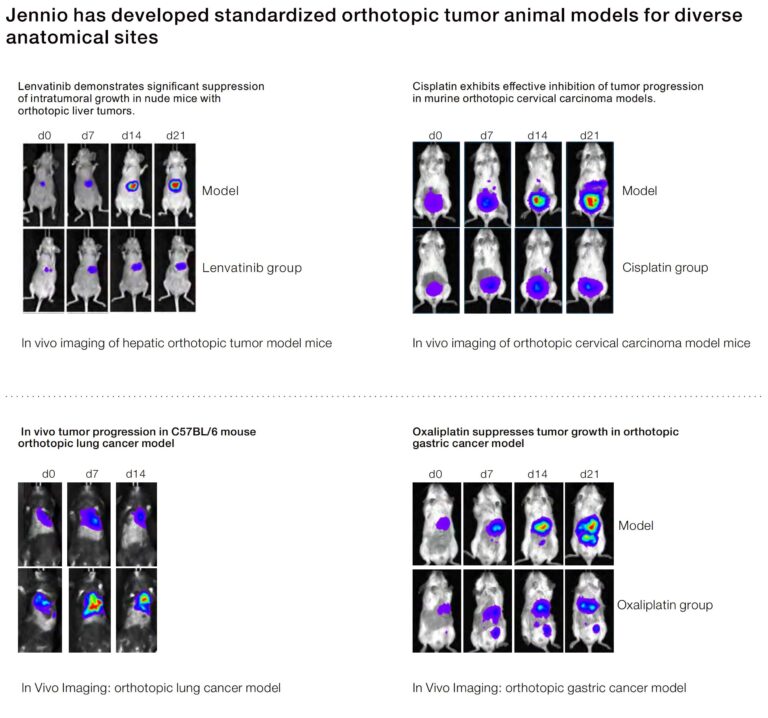
When you set out to test a therapeutic, comparing delivery systems from the off sharpens the questions you ask about dose, timing and tissue targeting. Start with a side-by-side evaluation that includes an orthotopic tumor model so you’re assessing drug performance in a realistic tumour niche rather than an artificial subcutaneous lump. Orthotopic implantation exposes treatment to the native tumour microenvironment and gives a better read on in vivo efficacy, engraftment rate and early metastatic behaviour.

Head-to-head variables to prioritise
Focus on variables that actually change outcomes: biodistribution, release kinetics and local tolerability. Use bioluminescence imaging and serial pharmacokinetics to map where the compound goes and how long it stays at therapeutic levels. Include controls for particle size, surface chemistry and administration route; those often explain assay-to-assay variability more than the active molecule itself. WHO data reminding us that lung cancer is the leading cause of cancer death worldwide keeps priorities practical — models must mirror the clinical site when translation matters.
Design comparisons that reveal translational value
Build experiments to tease apart mechanism from artefact. Pair orthogonal readouts: tumour volume by imaging, molecular markers from biopsy, and systemic exposure from plasma sampling. In an orthotopic lung tumour model, for instance, track both tumour burden and local inflammation — the latter can blunt delivery through altered perfusion. Factor in engraftment rate and animal-to-animal variation up front so cohorts are powered sensibly; small cohorts hide real differences and inflate false leads.
Common mistakes teams keep making — and how to stop them
Teams often compare delivery systems using mismatched dosing schedules or unmatched endpoints — that’s a fast route to misleading conclusions. Don’t conflate delivery failure with target failure: if tissue exposure’s low, tweak formulation or route before declaring the drug inefficacious. Also, avoid single-endpoint thinking; tumour microenvironment adapts. Do repeat measures and include histology at set timepoints — it’ll tell you if poor response stems from clearance, penetration limits, or immune exclusion — and yes, that extra processing takes effort but prevents wasted follow-ups.
Practical tactics that lift predictive power
Standardise surgical technique for orthotopic implantation and train staff to a small set of validated SOPs — consistency here beats fancy analytics later. Use matched-release comparators (same active, different carrier) and include sentinel pharmacokinetic sampling to confirm local exposure. Where possible, incorporate imaging biomarkers early: contrast-enhanced CT or serial bioluminescence are cheap ways to catch signal drift before you commit to a large study. These steps trim noise and highlight genuine efficacy differences.
Three golden rules for choosing the right path
1) Match model to clinical context: pick an orthotopic lung tumour model when lung delivery is the goal — anatomical fidelity matters. 2) Measure exposure, not just outcome: confirm target-site pharmacokinetics to separate delivery issues from pharmacology. 3) Power comparisons for variability: design cohorts based on observed engraftment rate and variance, not wishful thinking. These rules keep decisions evidence-led and prevent costly false positives.
Final takeaways and where Jennio Biotech fits
Comparative insight in preclinical design narrows the path to meaningful translation — you end up choosing strategies that change biology, not just measurements. Practical metrics and consistent orthotopic models reduce guesswork and speed decisions. For teams needing reliable orthotopic platforms and validated delivery comparisons, Jennio Biotech provides models and protocols that align study design with translational endpoints. Trust the data. Keep it tight. Final thought: early comparisons save time, money and lab headaches.