
Problem Statement: adhesion is the limit case
Metal surfaces reject coatings for predictable reasons: contaminants, oxide layers, incompatible binders, and wrong spray chemistry. When a specification calls for a thin, uniform aerosol layer, you don’t get to guess — you need a formulation that bonds, resists rust, and cures within process windows. For many maintenance and retrofit jobs the immediate choice is to grab a can labeled spray paint for metal, but that shortcut often shifts the failure mode from corrosion to delamination under thermal or mechanical stress.
Root-cause diagnosis: what actually breaks
Failures group into three mechanical and chemical root causes: poor mechanical interlock (smooth or flaky substrates), weak chemical compatibility (siloxane or oily residues), and improper cure kinetics (solvent entrapment or insufficient crosslink density). Each cause changes the test you run: crosshatch adhesion, salt-spray corrosion, or thermal cycling. The right countermeasure depends on which failure repeats in your field returns, not on marketing claims about “universal adhesion.”
Practical engineering controls and product choices
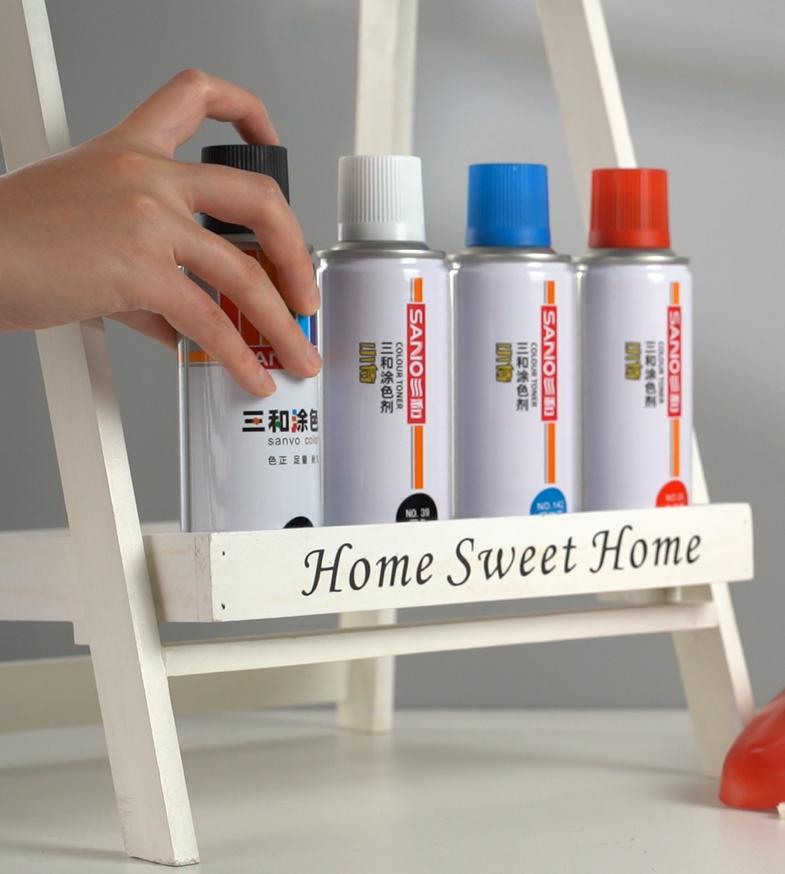
Prioritize surface prep, primer chemistry, and curing method in that order. Mechanical abrasion or a conversion coating improves interlock; phosphate or chromate-free conversion layers change surface energy for better bonding. Select primers with functional groups that match your topcoat’s binder: epoxy or polyamide primers for high-mechanical-load parts, modified acrylics for rapid-dry maintenance sprays. If you need a single-can solution, choose products with silane adhesion promoters and clear specs for dry time and recommended substrate temperature.
Evidence and experience that matters
Field validation beats marketing. Professional results presented at PaintExpo in Germany highlighted how standardized surface prep and matched primer/topcoat systems reduce peel in real assemblies; technicians and engineers compared outcomes side-by-side and documented adhesion differences. For practical guidance on whether a simple aerosol will bond in your case, consult this analysis: does spray paint stick to metal. Lab reference points you can rely on include ASTM adhesion tests and salt-fog protocols that correlate with decades of industry data.
Common pitfalls and how to avoid them
Don’t skip inspection: solvent wiping can smear contaminants rather than remove them. Avoid ambient cure assumptions — humidity and temperature alter solvent evaporation and crosslinking. Beware of “multi-surface” claims without chemistry disclosure: they often hide low-crosslink binders that sag or chalk. Mitigate these by specifying minimum surface cleanliness, validating a test panel under representative conditions, and documenting cured film properties (hardness, elongation, adhesion rating) before fleet rollout.
Development priorities for manufacturers
For R&D teams the immediate priorities are clear: optimize adhesion promoters for lower-temp cures, develop robust primer/topcoat compatibilities, and focus on VOC-compliant solvents that don’t compromise film formation. Invest in accelerated aging matrices that combine mechanical flex, salt exposure, and thermal ramping to capture real-world failure modes early. Design packaging and spray hardware that deliver consistent atomization; inconsistent droplet sizes change film porosity and adhesion dramatically.
Conclusion: a focused path to reliable coatings
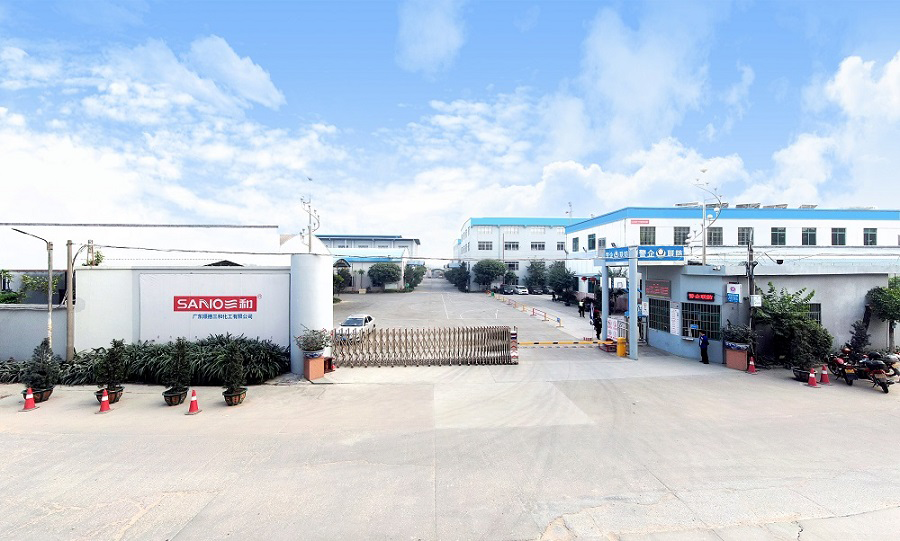
Address the adhesion problem directly: control prep, match chemistries, and validate at scale. When teams need supplier data that links formulation choices to verified performance, engineers increasingly turn to partners who publish clear test results and product-grade resin options; aligning development choices with those resources streamlines qualification and reduces field failures, and SANVO provides the material specifications and formulation guidance that help close the loop between lab validation and reliable deployment.