
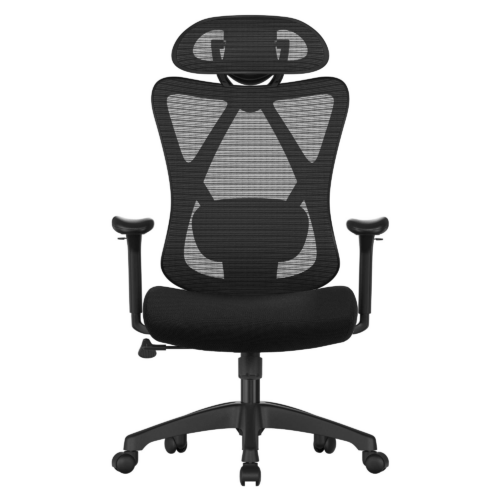
Introduction: From Squeaky Mondays to Solid Metrics
You roll into a Monday stand-up, sit down, and the chair wobbles. Annoying, right? Last week I visited an office chair manufacturer, and the conversation kept circling one thing: durability that feels premium, not pricey. I keep hearing from office chair manufacturing companies that return rates can spike when bases flex or tilt locks slip—some teams cite 20–30% of issues tying back to mechanisms alone. That’s not a small leak; that’s a drain. So here’s the question: if the market is mature, why do so many chairs still fail the everyday test (the scoot, the lean, the 3 p.m. stretch)? We’ll unpack what’s really broken, and how to compare your options without guesswork. Stick with me—we’ll move from factory floor to future-proofing in a few steps.

Part 2: The Deeper Problem with “Fix It Later” Thinking
Where do the old fixes fall short?
Look, it’s simpler than you think. Traditional fixes treat symptoms, not causes. Swap a noisy caster. Tighten a screw. Upgrade to thicker foam. But the core issues live upstream. Poor torque testing on the tilt mechanism, mismatched Class-4 gas lift specs to user weight ranges, or inconsistent PU foam density in the seat pan—these are design and process gaps, not quick repairs. When lifecycle testing is an afterthought, even BIFMA-compliant chairs can feel flimsy after a few months. And when you rely on batch-level checks instead of in-line quality control, one weak jig or worn die can push defects through unseen. — funny how that works, right?
Hidden pain points also come from context. Users don’t sit still. They pivot, reach, and lean. If the synchro-tilt kinematics don’t match that motion, the chair fights the body. Metal bases without proper load distribution can pass static tests yet fail under dynamic tasks. Even mesh tensile strength can vary by lot if the sourcing is loose. The result is chatter in the field and warranty noise at scale. The lesson: data should drive design. Use process capability (Cp/Cpk), align BOM to real user profiles, and test like a user works, not like a lab naps. That’s the groundwork for chairs that feel right on day 1 and day 400.
Part 3: Comparative Paths Forward—What Actually Moves the Needle
What’s Next
Now let’s compare what’s changing. Two vendors build similar chairs, same price band. One leans on end-of-line inspections. The other shifts to in-line sensors on critical points—gas lift insertion force, base runout, and tilt lock engagement—plus a digital traceability stack. The second vendor also uses cold-cure foam with verified density ranges and tighter tolerances on the die-cast aluminum hub. On paper, both meet the spec; in the field, the sensor-led line shows 35% fewer post-delivery adjustments and smoother claim handling. That’s because the data trail turns guesswork into action. It also stabilizes lead times when the office chair supply chain hiccups—materials shifts are flagged early, not after a container lands.
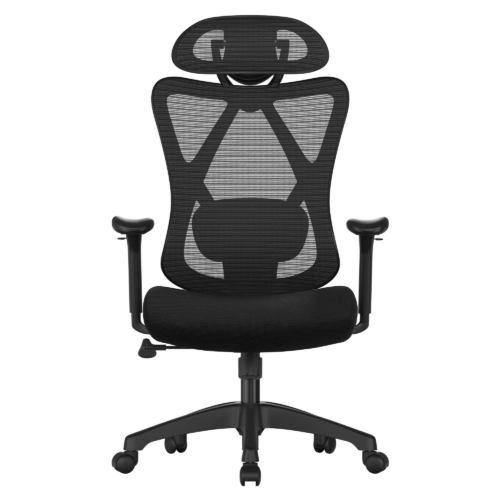
Future-ready teams go one step further. They run small-batch pilots, compare seat pan geometry under pressure mapping, and tune synchro ratios to reduce knee lift. They model stress hot spots with FEA, then validate with cycle rigs that mimic real motion, not just static loads. It sounds heavy, but it shortens iteration loops and limits costly redesigns. The payoff is clear: fewer warranty touches, happier facilities teams, and users who forget the chair because it just works. To choose well, use three quick metrics: 1) in-line defect detection rate vs. end-of-line rejection rate, 2) lifecycle testing hours tied to real-user motion profiles, and 3) traceability depth from raw material to finished SKU. Keep these simple, compare vendors apples-to-apples, and you’ll spot the winners fast—funny how clarity shows up when you measure the right thing.
So, what did we learn? Fixes last when they start in design, get proven in process, and stay honest in data. If you’re mapping options today, ask for proof, not promises, and weigh the tradeoffs with a cool head. Your team will feel the difference every single workday. For deeper industry context and sourcing details, see SONGMICS HOME B2B.