
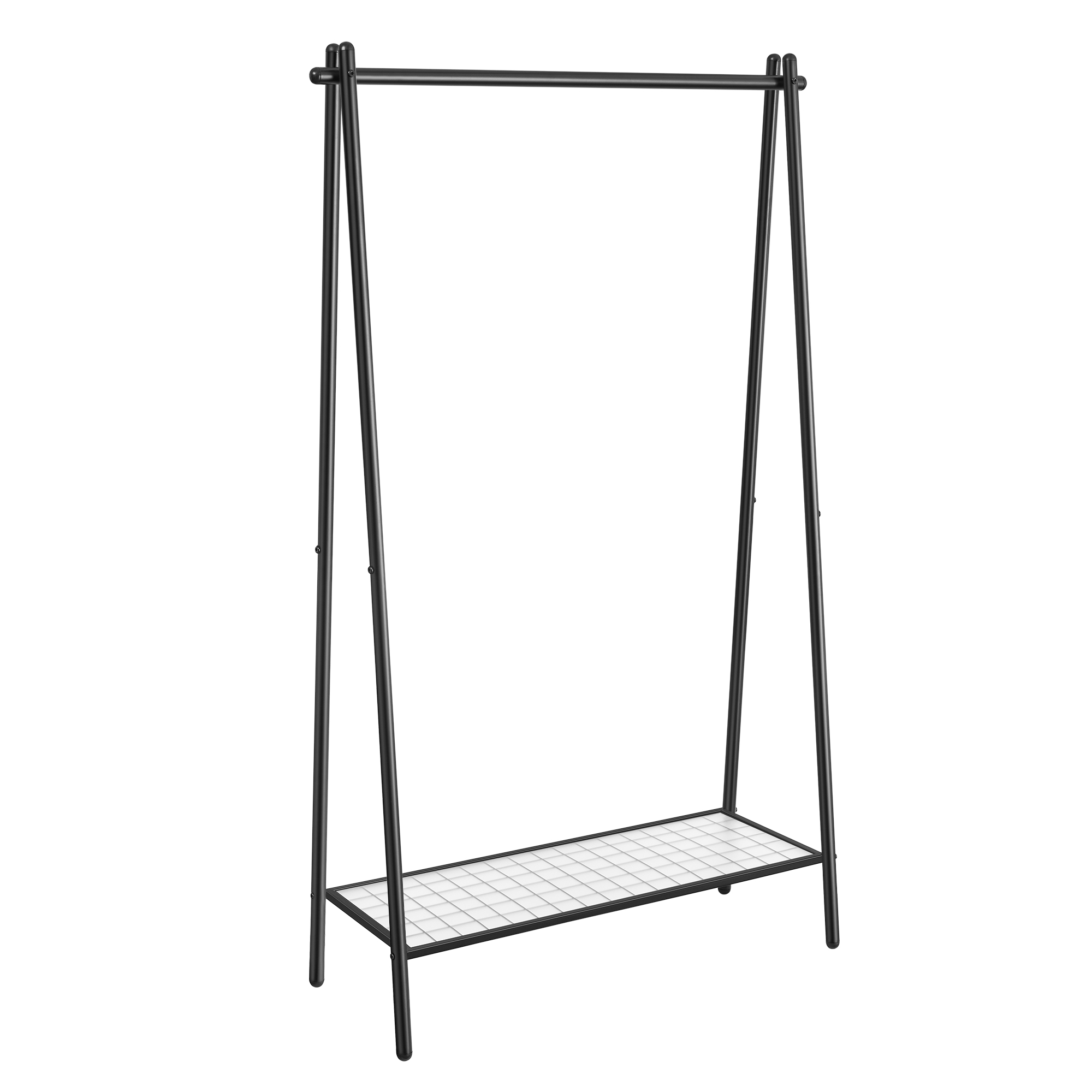
A Stockroom Moment, A Quiet Truth
On a wet Monday, a boutique manager nudges a wobbling rack and wonders why new fixtures already feel tired. A clothes rack manufacturer sees that moment through another lens—tolerances, joints, and finish all whispering clues. Last week, the same manager logged three returns: a cracked caster, two bent uprights, and a pinch point that snagged a silk blouse (small heartbreak, big lesson). So here’s the riddle with a pulse: if racks are “standard,” why do they behave so differently under real loads, real hands, real time?
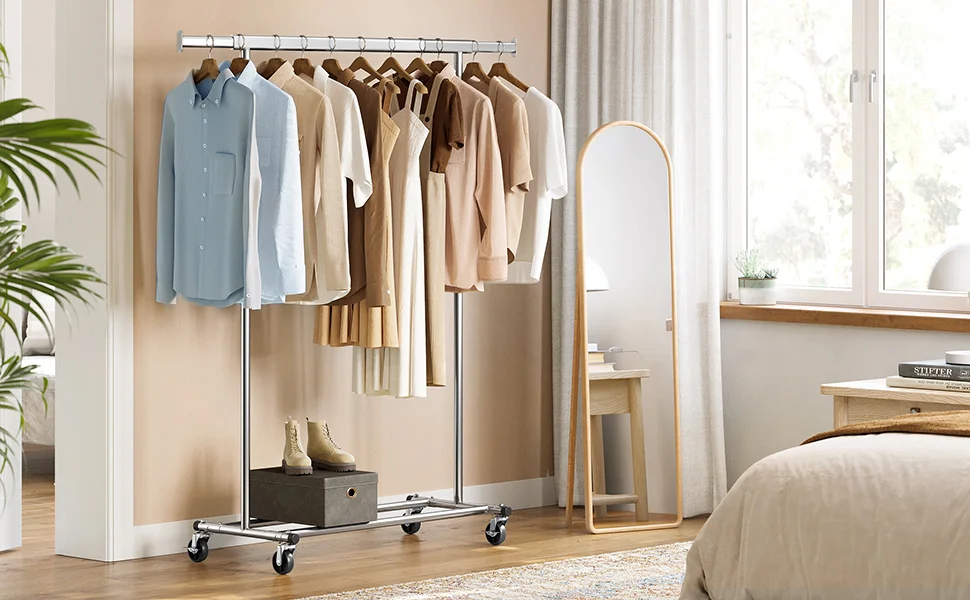
I share this because the tender life of a garment depends on the calm strength of its frame. In a quiet warehouse, pallets roll out with numbers: load limits, salt-spray hours, assembly steps. In a bright storefront, the numbers vanish—until a shopper pulls a hanger and everything shifts. Which view should guide your next order? The manager’s? The factory’s? Or both—braided like ribbon and steel? Let’s step inside the seam between promise and practice, and see where they meet, and where they split. Onward to the real comparisons.
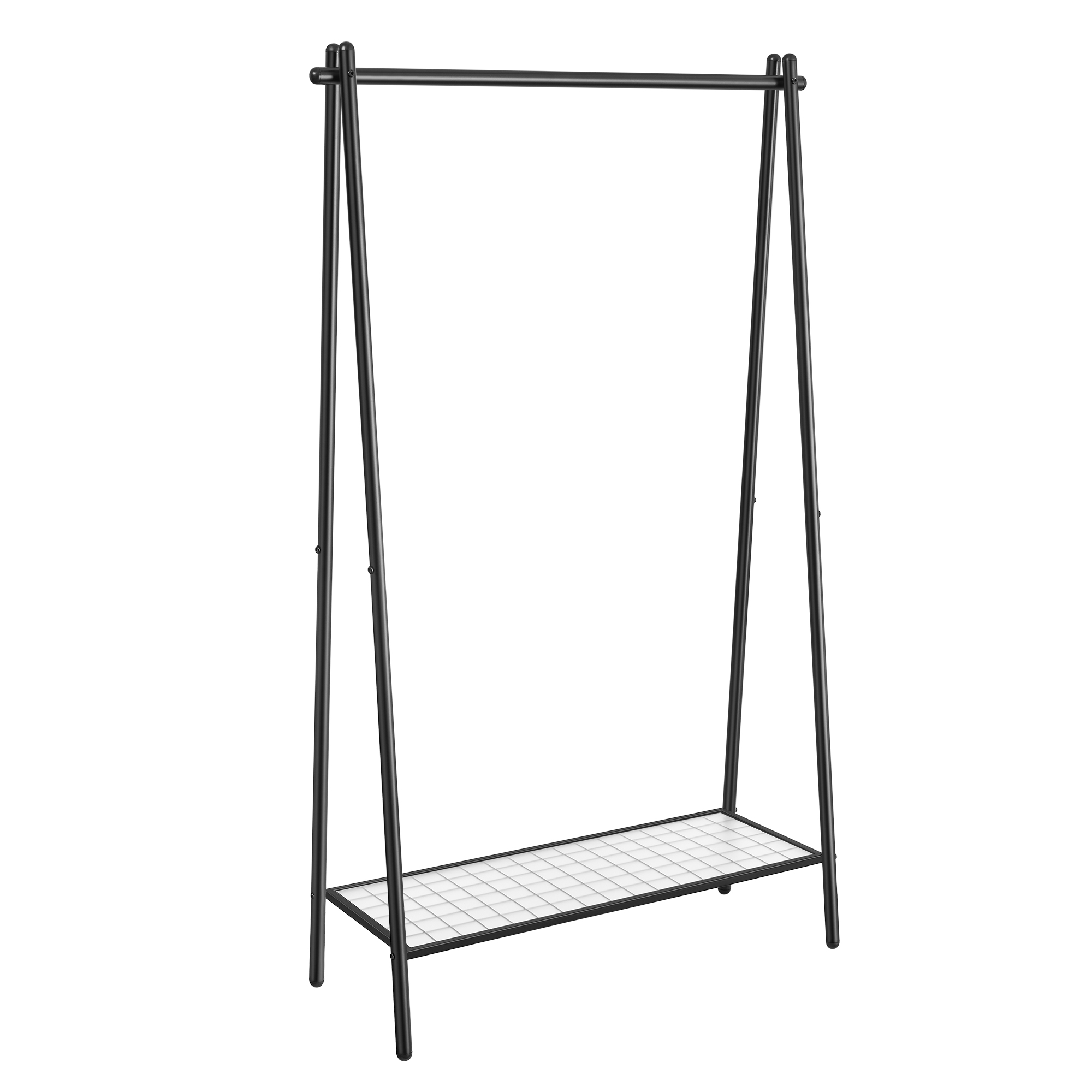
Where Traditional Wholesale Orders Hide the Pain
Why do “strong” racks still fail?
When teams source clothes display racks wholesale, the spec sheet often looks comforting—until it isn’t. Traditional orders chase a headline number (static load), but skip dynamic forces, torsion, and repeated movement. Look, it’s simpler than you think: a rack that holds 200 lbs in a lab can still wobble if cross-braces flex and fasteners creep. Small tolerance drift in cold-rolled steel tubing or poorly seated set screws can multiply at scale. Powder coating may look smooth yet hide micro-burrs at joints, inviting squeaks and slip. And casters? Without proper stem fit and brake geometry, you get drift and rattle. The cost looks low, the risk looks hidden—funny how that works, right?
Another blind spot: packaging and assembly. If the carton crush test is weak, tubes bruise in transit; if hardware bags mix lengths, floor staff will “make it work,” then blame the design. The result is misaligned uprights, uneven torque on bolts, and premature sway. Salt-spray resistance numbers without real-world humidity cycles mislead; tensile strength values without weld penetration data do too. A tight QC audit should probe thread fit, brace angle, and repeatability across lots, not just one golden sample. Traditional fixes swap thicker tubes for peace of mind, but they ignore node stability, bracing geometry, and human assembly flow. That’s where most “mystery wobbles” are born.
Next-Gen Thinking, Side-by-Side
What’s Next
Now let’s compare what’s coming with what you’ve known. New builds use finite element analysis (FEA) to tune bracing so load paths travel cleanly—less sway, more calm. Robotic welding reduces variance at stress points; digital SPC flags drift before it hits your floor. Even simple torque-test rigs catch loosening tendencies in fasteners you’d otherwise trust. When sourcing wholesale garment racks, ask how the frame behaves under cyclic loading, not just static weight. Request evidence: salt-spray hours tied to actual powder coating thickness; dimensional checks on mating parts; drop-test data on packaging. The future is small and precise—shim washers, keyed joints, and labeled subassemblies that make store teams faster (and gentler). Less heroic steel, more intelligent geometry—yes, that matters.
Here’s how to evaluate, practically. First, structural integrity under motion: measure sway at full load after 1,000 push-pull cycles; target low deflection and zero fastener creep. Second, surface durability: verify powder coating performance with documented salt-spray hours plus abrasion tests on contact points. Third, assembly reality: time-to-build by a novice, error-proofing steps, and pass rates after a standard drop test. These three metrics expose the difference between a commodity rack and an engineered fixture that earns its keep. Summed up, the lesson is clear: better design isn’t louder; it’s steadier, kinder to fabric, and calm under traffic—just like a good display should feel. For deeper specs and steady practices drawn from the field, you can explore options with SONGMICS HOME B2B—shared knowledge, not a pitch.