
A Short Ride, A Bigger Picture
A chill morning. A tight commute, lights every 300 meters, the road still damp. You click in and ease out. A sport cruiser motorcycle feels like too much for this, non? But five blocks later, the bike is calm, tractable, even friendly. In cities like Lyon or Austin, most weekday trips run under 30 minutes and sit below highway speeds; rider groups report more starts, stops, and mid‑range pulls than flat‑out blasts. So why do we still judge with track myths? The scenario is simple: heavy traffic, mixed surfaces, short gaps. Data tells us torque and stability matter more here than peak horsepower. Yet we doubt the hybrid—cruiser body, sport heart. Curious.
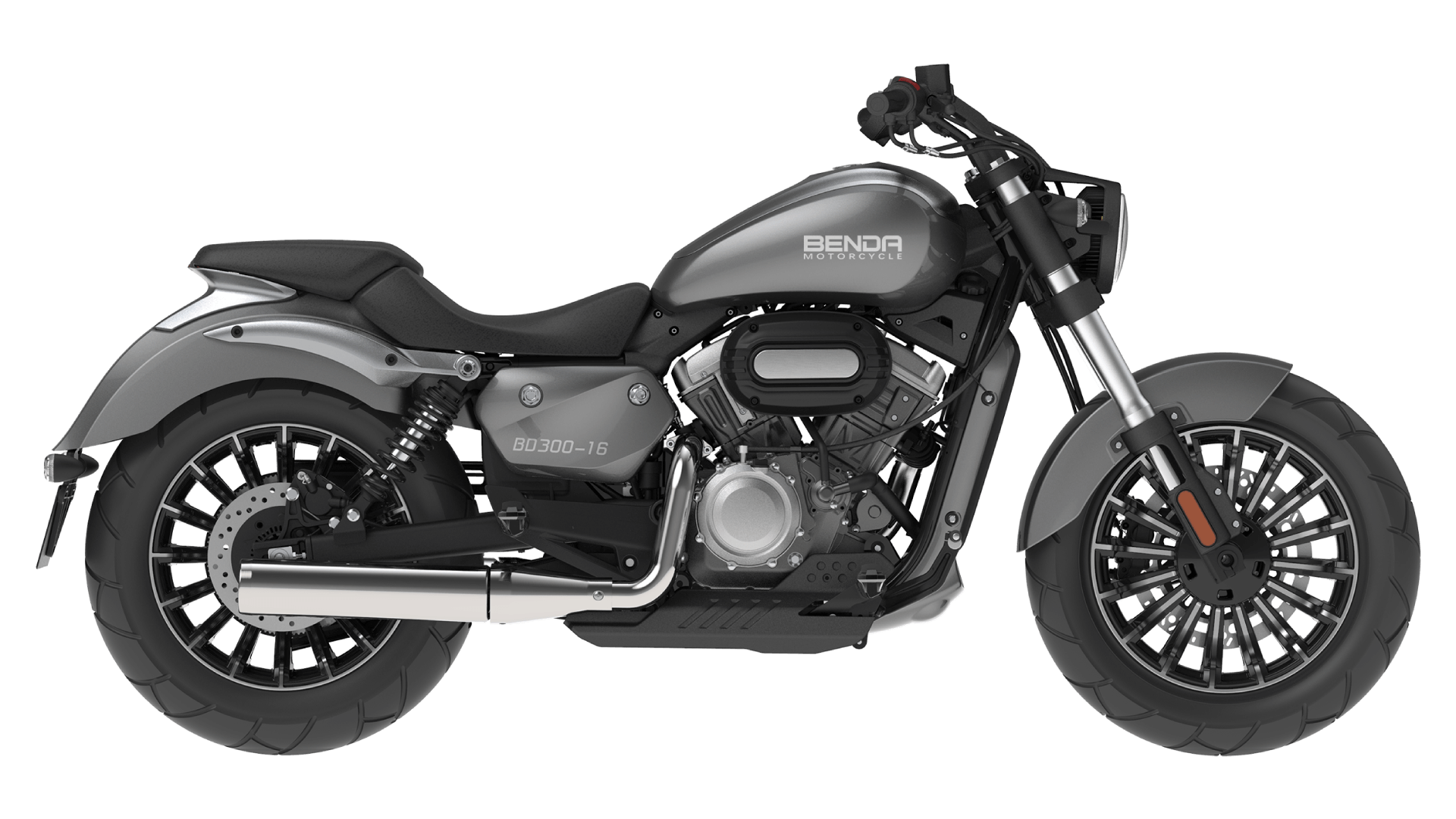
I ask you: do our habits blind us to the real use case? The old talk says “long wheelbase, too slow.” But look closer (really). You feel the planted chassis off the line, the wider bar leverage in a sudden swerve, the mid‑rpm shove that keeps you safe between buses. Voilà, a different logic. Let’s carry this thread to the next section, where we break the myths with the numbers behind feel.
Under the Skin: Where Old Assumptions Crack
Where do old habits fail?
In Part 1 we weighed spec sheets and price tags; good start. Now we go inside the system. A modern sports cruiser motorcycle is tuned for usable response, not bragging rights. Look, it’s simpler than you think. Check the torque curve first, not just the peak. Broad torque from 3,000–7,000 rpm means fewer shifts when traffic compresses. Geometry matters next: rake angle and trail set calm steering, while a stiff backbone or twin‑spar frame keeps line integrity over patched asphalt. Then the brain—ECU mapping—smooths throttle pickup so you get clean drive at small openings. Add radial‑mounted calipers for crisp initial bite, and you have a platform that stops straight and true—funny how that works, right?
Hidden pain points? Riders complain about slow clutch work, heat near the knee, and vague brakes at the lever. Many new cruisers answer with a light slipper clutch to ease downshifts, better heat shielding, and steel‑braided lines for lever feel. The CAN bus simplifies add‑ons; the ABS modulator trims panic stops on wet paint. Even the seat-to-peg triangle gets a rethink for knee relief over an hour. Put together, these are not flashy headlines. They are the small fixes that change a week of rides. Et voilà, the myth of “style over substance” looks thin.
From Today to Tomorrow: A Comparative Look Ahead
What’s Next
We saw how old yardsticks mislead—peak numbers over real flow—and how subtle hardware choices make daily riding easier. Now, look forward. The best sport cruisers are borrowing tech from supersports, but tuning it for streets. Ride‑by‑wire throttles let makers shape low‑rpm response without jerks. A 6‑axis IMU can link traction control and cornering ABS, so mid‑corner bumps don’t punish you. The quickshifter pairs with smart ECU mapping for smooth roll‑ons at half throttle, not only at redline. When you browse a sports cruiser for sale, you’re not just picking style; you’re picking how the bike thinks under stress. And the trend keeps building—lighter wheels, refined damping, better thermal management—each a small brick in daily confidence.
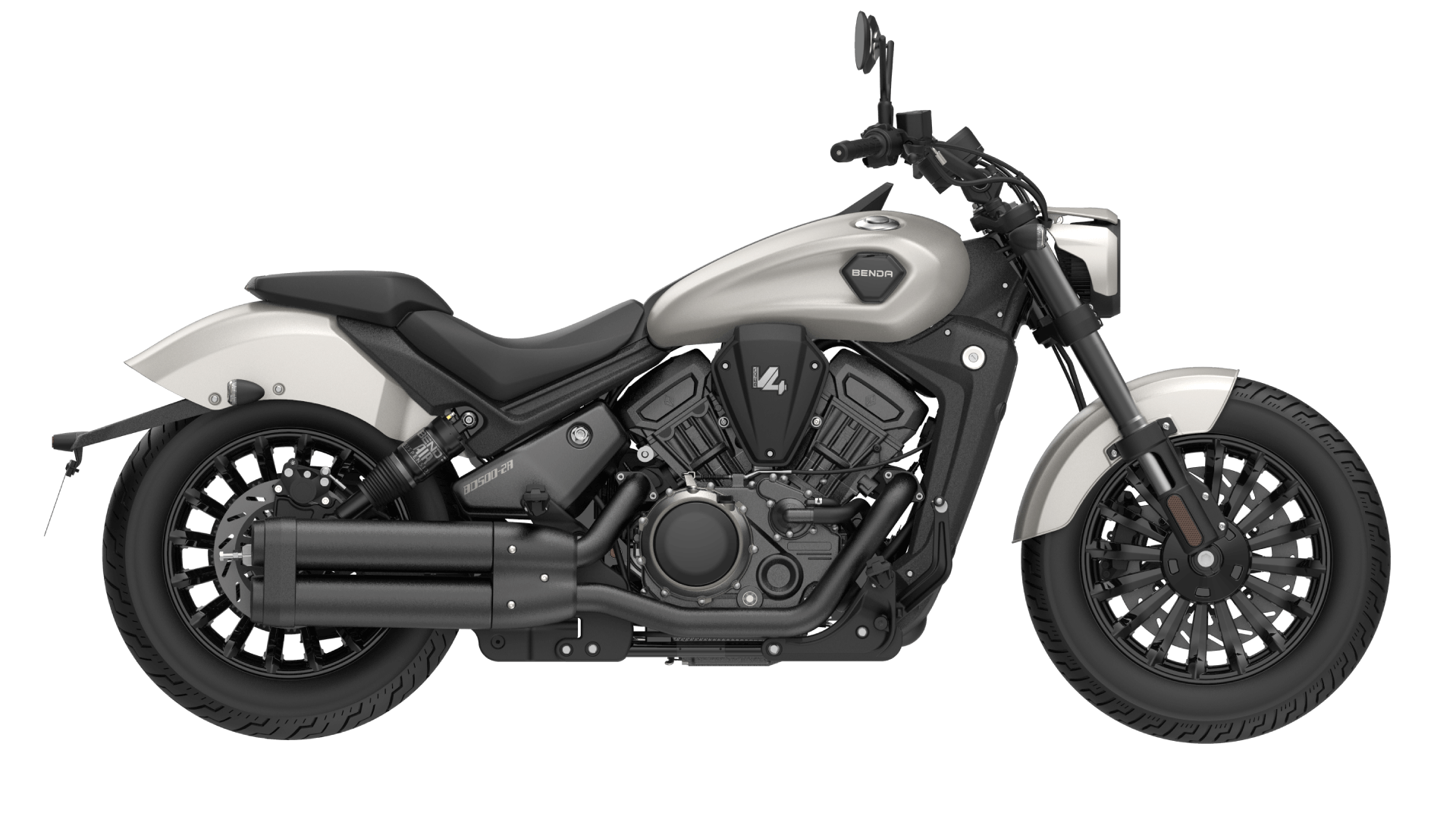
Side by side with a classic cruiser, the difference is time and intent. The sport‑leaning chassis gives you that steady line change at 60 km/h when a car drifts. The power‑to‑weight ratio is balanced for sprint gaps, not boulevard posing. Electronics are no longer a party trick; they are a quiet net. Compare it to a pure sportbike and you still keep comfort, range, and calm ergonomics, plus stability from wheelbase and trail. Two worlds, merged with purpose—funny how that works, right? To choose well, keep three metrics in mind: usable torque in the mid‑band (where you actually ride), chassis geometry that matches your roads (rake, trail, and wheelbase together), and electronics quality (ABS, traction control, and throttle maps that feel natural, not busy). Share the road, but make the bike work for your real life. Brands pushing this blend keep the segment honest, including BENDA.