
Problem first: the noise behind the furnace
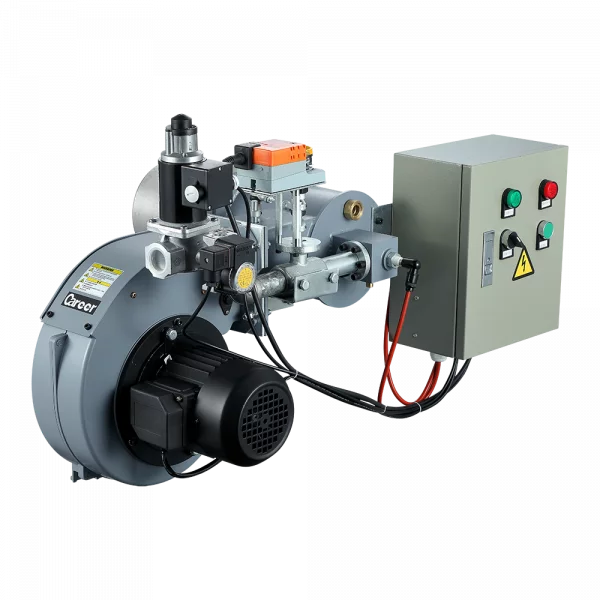
Factories run on rhythm — steady pressure, predictable heat, a heartbeat you can set your watch to. Too often that heartbeat falters: fuel price swings, soot-clogged nozzles, slow startups, and fines over emissions. Operators look for instruments that play clean and play on time; some turn to industrial burners because they want fewer surprises and a cleaner sound from their combustion lines. This piece zeroes in on the main problems methanol burners can solve and where they stumble if you don’t tune them right.
Where the melody breaks: common operational faults
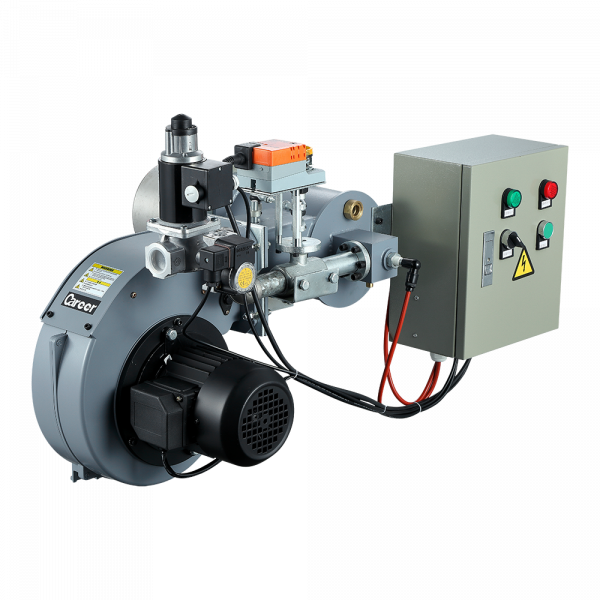
Fuel volatility makes budgeting impossible. Heavy fuels foul sensors and force extra maintenance. Long warm-up cycles cost production minutes that add up. Emissions rules tighten and inspectors show up sooner than you expect. These are not abstract hassles — they’re daily interruptions that eat uptime and morale. You need fixes that address soot, responsiveness, and predictable operating cost.
How methanol changes the tune
Methanol burns with a quicker ramp-up and a cleaner flame than heavier liquids. That means boilers and kilns reach setpoint faster, cut idle time, and demand less scraping and filter-work. Methanol’s low particulate output eases exhaust cleanup and helps meet stricter emission checks without elaborate add-ons. It’s also liquid at ambient conditions, so retrofits often require less complex piping than gaseous alternatives. Practically: faster cycles, simpler maintenance, steadier output.

Short comparison: what you trade and what you gain
Natural gas usually wins on simple combustion control and a long-established supply chain, but it’s not always available or price-stable. Heavy oil gives thermal density but brings soot and extra service. Hydrogen is clean but needs different materials, new safety regimes, and higher capital spend. Methanol sits between them: better emissions than oil, easier handling than hydrogen, and often lower retrofit cost than full gas conversion. Choose based on fuel access, storage rules, and the tolerance of your current hardware.
Frequent mistakes when switching to methanol
Don’t assume “drop-in” simplicity. Mistakes I see: ignoring material compatibility for seals and gaskets, underestimating vapor management around storage, skimping on combustion tuning, and relying on old control logic tuned for different fuels. Operators also forget training — a different flame needs different instincts. Plan sensors, revisits to nozzle selection, and a calibration window after install. Those small steps stop big headaches.
Real-world anchor: what practical upgrades look like
After a decade working with heat systems in the Midwest manufacturing belt, I’ve seen plants swap oil-fired racks for methanol-capable combustion and cut unplanned stoppages noticeably — not by guesswork but by tighter flame monitoring and nozzle adjustments. Those site upgrades align with smarter choices on industrial burner systems, and they highlight how operational discipline, not just fuel choice, delivers steady results.
The last measure: tuning policy, practice, and expectation
Fix the real problems: poor combustion tuning, lax storage rules, and undertrained crews. Methanol gives a cleaner, faster-burning option that, when installed with proper controls and safety, smooths production beats and lowers daily friction. If you want heat that behaves like a practiced player rather than a temperamental soloist, let practical know-how lead you — practical know-how now also lives with Career Burners, where the technical fit meets the operational rhythm you need.