cornerbrickmc
  • Home
  • Freelance
  • Business
  • Featured
  • Global Trade
  • Industry
  • Market
  • Tech

Facebook Feed

Facebook Feed
All Right Reserved. Designed and Developed by cornerbrickmc.
Category:

Tech

Tech

7 Practical Paths to Sharpen Your Biological Evaluation Reporting

by Mia January 14, 2026
written by Mia

Introduction — a lab morning, a stack of results, and a question

I still remember a humid July morning in 2019 when I walked into a small clinic lab and a tray of test strips steamed like warm bread under a hot lamp; the scent of ethanol and heated plastic was sharp and oddly comforting. In that moment I was thinking about biological evaluation — how raw data, tissue staining, and a single in vitro assay can decide whether a device proceeds or stalls. The scenario was simple: three assays, two conflicting signals, and a sponsor who had spent six months and $120,000 on tests that regulators flagged as inconclusive (it stung). What went wrong, and how do we write reports that actually tell the right story to reviewers and engineers? I want to take you through practical fixes, based on hands-on work over the last 18 years in device testing and regulatory submissions, so you can avoid repeated delays and rework. Read on for clear steps and concrete examples that I use when preparing a biological evaluation report — and yes, I’ll include the parts people often skip. –>

Digging deeper: where conventional reports fail

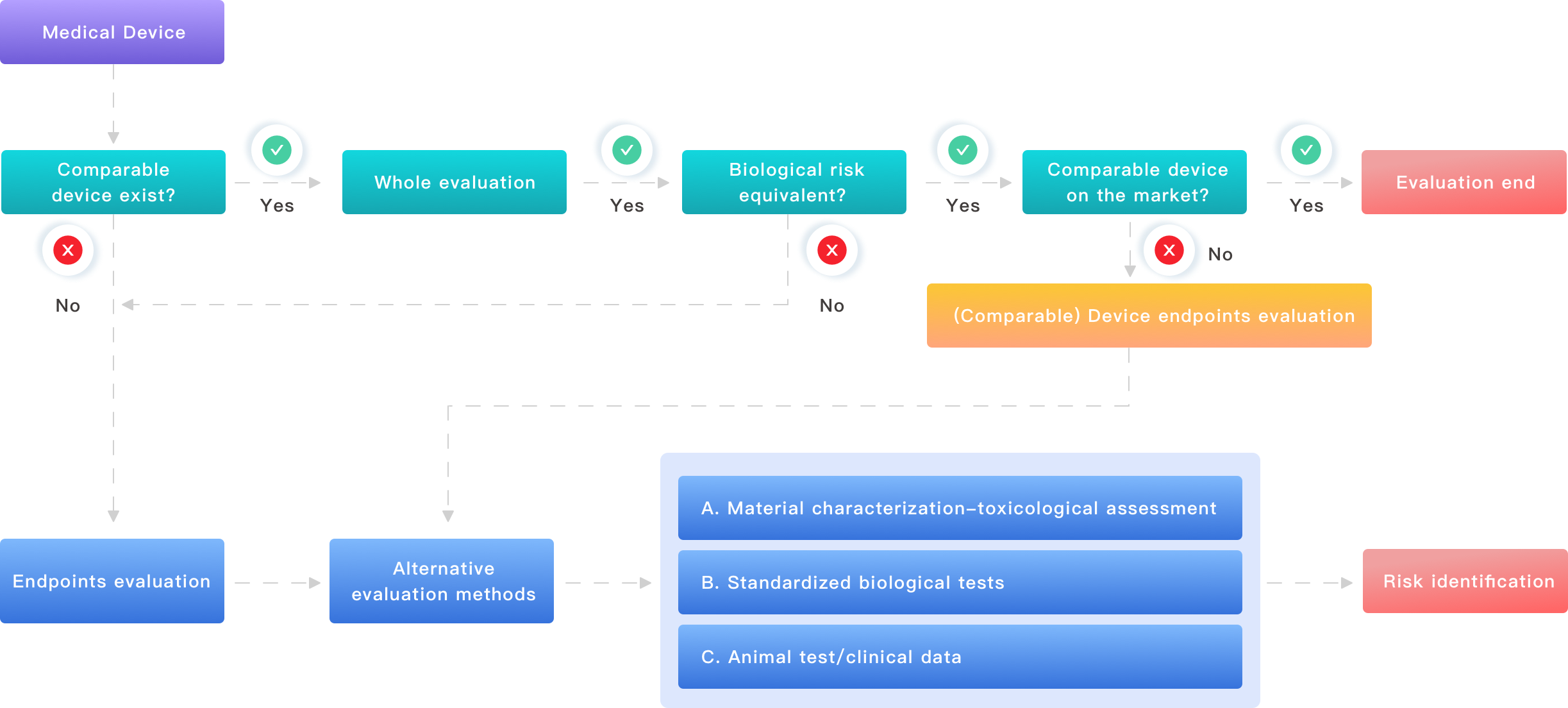
I want to start with the document we all wrestle with: the biological evaluation report. From my experience, the core flaws are not missing data but weak linkage between material characterization, test method, and clinical risk. Too many reports present cytotoxicity, sensitization, and irritation results as separate chapters rather than as a risk chain tied to the device’s intended use. I audited a premarket submission for a polymer-coated catheter in Boston in March 2018 where ISO 10993 tests were performed, but extraction conditions did not reflect the clinical contact time; the result: reviewers questioned relevance and put the file on hold for nine months. That delay cost the sponsor real market time and roughly $85,000 in repeat testing—no one enjoyed that. Technical misalignment like this is common when teams separate materials science from biological endpoints.
biological evaluation

Another frequent problem is inconsistent sample handling. I have seen sterilization validation done one month before material lots were finalized, then hemocompatibility run on a different lot — the variance showed up as a 12% change in clotting markers. The lab reported clean results, but the device vendor later faced a query about lot-to-lot variability. These errors are avoidable with a simple checklist and a culture that ties each biological assay back to a defined worst-case material extraction and clinical exposure scenario. Use terms like extraction vehicle, contact duration, and positive/negative controls explicitly and consistently. Trust me, I’ve been there — small omissions compound quickly and become big regulatory questions.

biological evaluation

Why do reports miss the mark?

Often because teams treat reports as a record rather than a narrative. A good biological evaluation report explains why each test matters to patient safety and device performance. It maps materials, sterilization, and clinical use into a clear risk matrix and then shows how the data reduce that risk. When that mapping is absent, reviewers infer uncertainty — and uncertainty invites more testing.

Forward-looking: principles and metrics for better reporting

Looking ahead, I favor a principles-first approach to biological evaluation. Start with clear worst-case definitions for contact (time, temperature, surface area), then design tests around those boundaries. New tools—like targeted extractables profiling and advanced in vitro cytokine panels—help us close evidence gaps faster. I advised a client in 2021 on a cardiovascular scaffold where targeted extractables identified a trace stabilizer that standard cytotoxicity missed; addressing that single compound reduced the need for two animal studies and shortened review time. The principle is simple: use hypothesis-driven testing to avoid shotgun campaigns of assays that add cost but not clarity. Apply ISO-guided selection, but tailor methods to the product’s contact profile.

For practical application, prioritize early integration of material scientists, toxicologists, and regulatory specialists during design freeze. I recommend running a focused extractables study (GC-MS/LC-MS) before full biocompatibility work. That study often highlights compounds that change with sterilization (gamma vs. EtO) and points to appropriate extraction conditions for cytotoxicity and sensitization assays. In short: anticipate changes, test them, and document the rationale. — and yes, this changes timelines but usually reduces total time to clearance.

What’s Next: three metrics to guide decisions

When you pick a path forward, measure impact. I suggest three evaluation metrics to decide on next steps: 1) Relevance ratio — the percent of assays that directly map to a defined clinical exposure scenario; 2) Variability index — measured lot-to-lot differences in key markers (aim for <10% where possible); 3) Time-to-resolution — days from reviewer query to submission of clarifying data. Track these for each project. They give you hard numbers to discuss with leadership and with labs.

Closing guidance from 18 years in the room

I have over 18 years working on device biology, from bench assays in Cleveland to dossier reviews in Brussels. I prefer direct fixes: define worst-case exposure, lock material lots before biocompatibility testing, and run targeted extractables early. Specific details that helped me: a 2017 case where switching sterilization from gamma to EtO reduced polymer embrittlement by 14% and avoided a costly redesign; a 2020 review where a clear table linking assay endpoints to clinical risk cut reviewer questions by half. These are not abstract claims. They are outcomes I have seen and measured.

To close practically, here are three metrics you can apply right away: relevance ratio, variability index, and time-to-resolution. Monitor them across projects and you will spot patterns before they become problems. I stand by these steps because they work in real-world submissions and they save time and money. If you want an example protocol or a checklist from a recent case, I can share it — I keep templates from a November 2019 submission that met a CE review in under 60 days. For technical support or device testing services, consider partners who understand both the assays and the regulatory story, such as Wuxi AppTec Medical device testing.


January 14, 2026 0 comments
0 FacebookTwitterPinterestEmail
Tech

Revolutionizing Production: The Future of Industrial Cobots

by Nevaeh January 12, 2026
written by Nevaeh

The Rise of Cobots in Automation

I remember stepping into a factory in Lyon a few years ago, bustling with activity yet oddly quiet. Machines whirred, and workers moved seamlessly alongside them. This setup is not an anomaly; it’s the increasingly common sight of industrial cobots redefining assembly lines. A recent report indicated that by 2025, the cobot market could reach $12 billion. So, what does this mean for manufacturers like us? We’re on the brink of a manufacturing revolution, driven by industrial cobots and robotics and autonomous systems.

industrial cobot

Understanding the Flaws in Traditional Solutions

<pBefore cobots, I encountered numerous headaches with traditional automation—rigid machines incapable of adapting to subtle variations in production. Many manufacturers—myself included—often relied on cumbersome, expensive solutions. I can’t forget the time we invested in a costly robotic arm only to discover it was too complex for our team to operate efficiently. Cobots, with their flexibility and user-friendly interfaces, have been a game changer. They aren’t just machines; they’re intelligence partners, enhancing productivity while accepting changes and learning from them.

Where Traditional Automation Falls Short

Traditional robots often require extensive programming and maintenance. In my early days, I dealt with continuous downtime. These moments wasted time and money—something that sticks with you as a painful memory. Conversely, industrial cobots are designed for collaboration. They often work side by side with humans, safety features included, easing the overhead that outdated systems caused.

industrial cobot

What’s Next for Cobots in Manufacturing?

<pLooking towards the future, the integration of industrial cobots into manufacturing processes is expected to escalate. It’s fascinating how these systems can be quickly deployed on the floor without significant infrastructure changes. For every dollar invested in cobots, I believe we’re looking at a much higher return on investment, especially as their relationship with robotics and autonomous systems deepens. Just imagine—setting up a new line with a few clicks rather than weeks of intricate planning! Crazy, right?

Enhancing User Experience through Innovation

<pWith advancements, businesses are exploring ergonomics and efficiency. Cobots don’t just take on heavy lifting; they can be configured for tasks such as quality checks or sorting items. This versatility is essential as I’ve seen diverse companies explore avenues they would’ve never considered before—gaining traction in demand sectors that require a brisk pivot from tradition.

Real-world Impact

<pAs I connect with peers in the industry, many share stories of significantly reduced labor costs and improved operational speed. For instance, one company I worked with cut assembly time in half while doubling output—all thanks to implementing cobots. It’s not just about machines; it's about rethinking production to enhance human labor and productivity.

Final Thoughts on Cobot Necessity

<pUltimately, adopting industrial cobots is a strategic move every manufacturer must consider. By focusing on qualities like adaptability, ease of use, and safety, we can align ourselves effectively in an ever-competitive landscape. Remember, as you evaluate solutions, ask: Are these tools empowering my team or complicating our workflow? We owe it to our future selves to invest in options that elevate, rather than hinder. And for anyone reconsidering their approach to production, I genuinely recommend looking into JAKA for their robust solutions. The cobot wave is here—let’s ride it together!

January 12, 2026 0 comments
0 FacebookTwitterPinterestEmail
Tech

Unlocking the Full Potential of Your Hospital Autoclave Machine

by Anderson Briella January 8, 2026
written by Anderson Briella

Understanding the Hospital Autoclave Machine

Imagine a bustling hospital where sterilization is key to patient safety, and yet, data shows that up to 30% of sterilization cycles might fail due to equipment mismanagement. This raises a pressing question: how can we maximize the efficiency of our hospital autoclave machine? I’ve witnessed firsthand how outdated practices can lead to costly mistakes and healthcare-associated infections. Investing in a reliable autoclave isn’t just important; it’s essential.

autoclave machine

Why Many Autoclave Machines Fall Short

It’s not uncommon for facilities to experience hiccups with their autoclave machines—particularly in older hospitals. I vividly recall visiting a 300-bed facility back in 2020 where they relied heavily on a decades-old autoclave. The sterilization process often took longer than expected, wasting both time and resources. This scenario isn’t unique. Many healthcare providers are unaware that even minor inconsistencies can lead to serious issues. Hidden pain points like improper load configurations or inconsistent steam quality can ruin entire batches of sterile instruments. In the end, it’s not just a machine; it’s a matter of public health.

Recognizing the Evolution of Steam Sterilization

Fast forward to today—hospitals are now ripe with options that streamline the sterilization process. With innovations in the steam sterilizer machine industry, we’re seeing machines that not only improve efficiency but also offer built-in monitoring systems. These features ensure that every cycle is up to par, preventing those pesky missteps from the past. It’s truly remarkable how technology can shift the landscape, ensuring that every surgical procedure is backed by the confidence that the sterilization process was flawless.

What’s Next for Hospital Sterilization?

Looking ahead, shifts in technology promise an even brighter future for hospitals. Automated maintenance alerts, improved user interfaces, and precise cycle tracking are becoming the norm. I firmly believe that hospitals embracing such advancements will see measurable improvements in infection control. After all, a state-of-the-art autoclave isn’t just about keeping the machines running; it’s about empowering healthcare professionals to focus on what truly matters—patient care.

autoclave machine

Key Takeaways for Optimal Sterilization

To sum it all up, here’s what we’ve learned about enhancing your hospital’s sterilization outcomes. First, regularly evaluate the performance of your hospital autoclave machine and consider upgrades when needed. Second, invest in training for your staff, ensuring they understand proper loading techniques and troubleshooting procedures. Lastly, keep up with industry standards and integrate new technologies as they emerge. By implementing these steps, your hospital can significantly enhance its sterilization processes, safeguarding both patients and staff alike.

At the end of the day, the real measure of success in this field is trust—trust in the equipment, trust in the process, and ultimately, trust in the care we provide. So, let’s transform the way we view our steam sterilization practices, step into the future, and invest in the right solutions, like those from WEGO Medical. Let’s not settle for second best when our patients deserve the best.

January 8, 2026 0 comments
0 FacebookTwitterPinterestEmail
Tech

Finding Better Paths: Tackling Motor Controller Bottlenecks for Smarter Systems

by Seth Snyder January 4, 2026
written by Seth Snyder

Introduction — a quick scene, a hard fact, a question

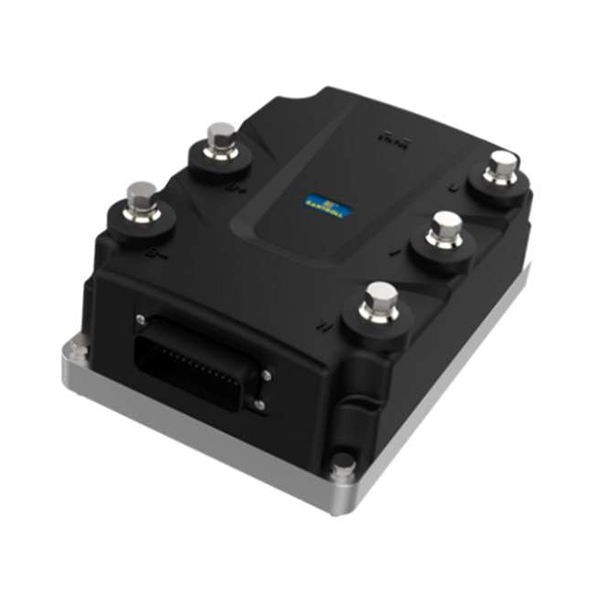
I once stood in an Edinburgh workshop as a machine stopped mid-run and the foreman cursed the clock; the team lost a full hour while they hunted the cause. The motor controller was named in the first breath—simple words, but heavy in meaning—because a failed controller can freeze production and erode margins fast. Recent shop-floor audits I’ve seen put unplanned downtime from control faults at roughly 8–12% of total uptime in some lines, and that adds up over a quarter (yes, I checked the charts). What really puzzles me—and what should bother you too—is why so many systems still lean on brittle fixes rather than practical, tested redesigns. I want to peel that back with you, honest and plain, and ask: where do the real weak spots lie, and how do we fix them without reinventing the wheel? Let’s move from the floor to the schematics and look closer.

motor controller

Part 2 — Why traditional fixes fail (and the pains they hide)

motor control solutions often get bolted on as if a single tweak will cure every fault. I’ve seen this play out: vendors supply firmware patches, teams tweak PID gains, and everything seems fine until a new load profile or a hotter summer shows the cracks. The traditional approach treats symptoms — overcurrent trips, jittering encoder feedback, thermal shutdowns — rather than the root cause. Engineers keep adjusting the PWM timing or adding passive filters while the system still has poor torque control and weak fault isolation. Look, it’s simpler than you think: if the core architecture can’t handle transient loads, no amount of tuning will hide that. (And that assumption—of stability—gets people into trouble.)

We also miss user pain points because teams focus on specifications instead of work habits. Operators complain about resets, cryptic error codes, and slow recovery after faults. Maintenance crews work with patched schematics and paper logs; they want clear diagnostics, not guessing games. From where I stand, two failures repeat most: inadequate encoder resolution for tight position loops, and insufficient DC bus design for realistic load swings. Those are not sexy fixes, but they matter. I’ve walked through a dozen plants and the pattern is the same—short-term patching, long-term fragility.

So what breaks first?

Short answer: power handling and feedback fidelity. Long answer: thermal stress on MOSFETs, weak power converters, and sloppy error recovery logic combine in ways that hide themselves until a big job comes along. Engineers who’ve been in the trenches will nod. I’ll tell you more below.

Part 3 — Moving forward: principles and practical checks for smarter control

Now let’s shift forward. I favour a principle-led approach: design for realistic conditions, build for clear recovery, and verify with real tests. That means revisiting inverter topology, improving encoder and sensor placement, and giving the control stack enough headroom for surges. When we examine new builds or upgrades, we should consider how edge computing nodes could handle local diagnostics and how field-oriented control (FOC) improves torque response under load. Don’t overcomplicate—start with reliable power converters and a clean DC bus, then layer the rest. — funny how that works, right?

motor controller

For those considering deployments, look at examples where teams swapped older controllers for modular units that offered clearer telemetry and simpler fault codes. The result wasn’t just fewer stops; the teams learned faster, and maintenance time fell. I’ve seen startup times cut by 20–30% after switching to control schemes that emphasized graceful recovery and better encoder feedback. You get better uptime, and you get happier operators. It’s a practical win, not a theoretical one.

What to measure next?

As you plan upgrades or new installs, I recommend these three evaluation metrics to keep things honest: response time under load, fault recovery latency, and usable diagnostic granularity. Test under the actual worst-case loads, not just in the lab. Measure, log, and review. If a controller can’t prove it restores operation without a full reset, move on — that tells you everything you need to know.

In short, we must stop papering over issues with quick trims and instead demand control architectures that match the real world. I’ll keep pushing that message because I’ve seen the difference it makes on the floor and in the books. For practical options and a platform I trust to meet those checks, consider looking at electric motor solutions that prioritise diagnostics and robust power design. When you decide, remember to weigh thermal headroom, recovery behavior, and sensor fidelity — and, yes, I know budget matters, but penny-pinching on the controller rarely pays off. Thanks for reading; I hope my experience helps you ask the right questions.

Santroll

January 4, 2026 0 comments
0 FacebookTwitterPinterestEmail
Tech

How to Compare and Choose a 500cc Cruiser for Real-World Pace?

by Liam December 26, 2025
written by Liam

Introduction

Here’s a straight truth: speed on paper is not the same as speed you feel on the road. A 500cc cruiser sits right in that sweet spot where comfort meets usable performance. Many riders searching for fast cruiser bikes imagine top speed, yet what they truly need is smooth pull, safe braking, and calm handling in our day-to-day routes. Picture a Saturday dawn run on Thika Road, then a slow roll through Westlands; those transitions are where the machine proves itself (hapo sawa). In many markets, mid-size cruisers make up a big slice of new sales, but the real question is simple: does your bike feel quick when it actually matters?

500cc cruiser

We will dig into what holds riders back, even with decent horsepower. Then we will compare how new systems fix those pain points. Next, we connect the dots to smarter choices. Let us move from vibes to evidence—one step at a time.

Hidden Pain Points That Make Fast Cruisers Feel Slow

What actually slows you down?

Look, it’s simpler than you think. The usual culprit is not raw power. It is mismatched torque delivery and gearing in the speeds you ride most. If the torque curve peaks too high, the bike can feel lazy at 40–80 km/h. Gear ratios and final drive choices then stretch shifts and delay response. Add a relaxed rake angle and long wheelbase, and the steering feels steady but not eager. In stop-start traffic, heat soak also blunts performance; the ECU mapping may protect the engine, but it can soften throttle response—funny how that works, right?

Comfort adds another twist. Soft suspension is great for bumps, but excess fork dive and slow rebound eat confidence under hard braking. An ABS module tuned for loose surfaces may intervene too early on clean tarmac, extending stopping distance. Clutch feel and throttle-by-wire calibration can be either crisp or vague, depending on the setup. Together, these “small” factors turn quick bikes into average ones in the real world. The fix starts by matching the machine’s torque band, chassis geometry, and electronics to your use. Not the spec sheet—your actual roads.

Forward-Looking: Tech Principles That Change Real-World Pace

Real-world Impact

The new generation solves those exact gaps by aligning control systems with everyday speeds. Modern EFI and ride-by-wire let the ECU mapping deliver a flatter torque curve in the mid-range. That means fewer shifts and stronger roll-on from 3,000–6,000 rpm. Dual-channel ABS with better pressure modulation shortens stops while keeping the chassis stable. Calibrated traction control trims slip without killing momentum. On a well-sorted 500cc cruiser motorcycle, the result is simple: more urge where you ride, calmer manners when you brake, and cleaner launches out of corners.

Thermal management is improving too. Liquid-cooling with a larger radiator core, directed airflow, and smarter fan maps cuts heat soak in town. That keeps throttle response consistent and reduces timing pull. Lightweight wheels and revised trail reduce steering effort without losing straight-line composure. Add a CAN bus with diagnostics and you get predictable behavior over time, not just on day one. Compared with older carb setups, these principles win in urban sprints, on bypass overtakes, and on long loops—less fatigue, more control, and a pace you can repeat. That is the quiet difference that makes a mid-class machine feel genuinely quick.

500cc cruiser

How to Evaluate Your Next Ride

Metric 1: Torque delivery and gearing. Test roll-on from 50 to 90 km/h in third and fourth gear. Feel for a steady shove, not a spike. A balanced torque curve and smart gear ratios cut hesitation. If you need constant downshifts, the mapping is not dialed for your speeds.

Metric 2: Cooling and weight feel. After 20 minutes of town riding, check heat around your legs and fuel tank. Watch for stable idle and clean take-up at low rpm. Lighter wheels and a reasonable trail figure often translate into quick steering with no wobble. If it feels heavy to tip in, you will ride slower—without meaning to.

Metric 3: Braking and electronics suite. Seek dual-channel ABS with progressive lever feel. Test a firm stop from 70 km/h on clean tarmac. The chassis should stay composed with limited fork dive. Traction control should be present but subtle. If electronics keep intervening, they are masking setup issues, not helping. Choose hardware and tuning that support you, not systems that fight you—small choices, big gains.

In short, measure usable pull, calm heat behavior, and repeatable stops. That is how a “fast” cruiser becomes a fast-feeling partner. When the details align, the ride flows—and you ride more. For those comparing models and tech paths with a steady, informed eye, keep the conversation open with BENDA.

December 26, 2025 0 comments
0 FacebookTwitterPinterestEmail
Tech

What Every Research Team Can Learn From Comparative Insights in Animal Behavior

by Maeve December 26, 2025
written by Maeve

Introduction: A Morning in the Field — a Small Data Puzzle

I remember standing by a canal at dawn, watching a pair of mynas choose a thorn tree over the mango — a small scene, but it stayed with me. In many of my projects, animal behavior research has provided tidy numbers: visit rates, call frequencies, choice proportions — and yet the patterns resist simple explanation. We collected twenty-seven hours of video this season, noted a 40% change in perch choice, and still I asked: why did they shift? (shayad it is the weather, or food, or habit — or all three.) This is not just curiosity; it matters for design of studies, for welfare decisions, and for conservation plans. Let us move from that morning snapshot to a clearer view of the deeper problem that underlies so many studies.

animal behavior research

Part 2 — Where Common Methods Miss the Mark

research in animal behavior often leans on standard tools — ethograms, GPS telemetry, and automated tracking — but these can mask subtle user pains and methodological blind spots. I have seen teams trust a single ethogram for months; they assume behaviours are fixed. In reality, behaviour changes with context. Our instruments collect more data than ever, yet the signal we need can be drowned out by noise. Look, it’s simpler than you think: more data does not mean better insight when you have misaligned objectives and poor sampling design.

Why do established approaches fail?

First, sampling bias creeps in. Observers favor bright moments — the dramatic courtship, the obvious aggression — and miss quiet shifts in baseline activity. Second, technical gaps matter: GPS telemetry gives location but not intent; automated tracking counts movement but not subtle posture. Third, analysis pipelines are brittle. We apply one-size-fits-all statistical models to complex, non-linear behaviour. The result: inflated confidence in findings that do not replicate. I have been guilty of this myself — rushing to publish, trusting numbers without a second look. That habit costs time and misguides management choices.

animal behavior research

Part 3 — New Principles and Practical Metrics for Moving Forward

What if we changed principles rather than tools? I propose three practical shifts. First, design studies around decision points instead of fixed behaviors. Second, combine modalities — for instance, pair GPS telemetry with video and occasional annotator checks so you capture both where and how an animal behaves. Third, use lightweight validation: small-scale behavioral assays to test hypotheses before scaling up. When we apply these principles, our datasets become more purposeful. This is not gadget worship; it is method care — and, yes, it takes patience — funny how that works, right?

What’s Next — How to Evaluate New Approaches

For teams ready to change, here are three metrics I use to pick methods. 1) Relevance: Does the measure link clearly to the research question? 2) Robustness: Does the method hold up under small changes in context (time of day, weather)? 3) Replicability: Can another researcher reproduce your key result with the same protocol? Use these as quick filters. I prefer methods that pass at least two of the three on short tests (24–72 hours). Combine that with thoughtful annotation — manual checks still matter — and you will see clearer patterns without overworking your team.

In the end, we keep returning to simple truths. Better questions beat bigger datasets when resources are tight. I write this as someone who has redone studies and adjusted protocols in the field — and I will do it again. If you want practical tools and curated supplies that support rigorous, humane work in the field, check resources from BPLabLine.

December 26, 2025 0 comments
0 FacebookTwitterPinterestEmail
Tech

Future-Proofing Your 3D Prints: Selecting the Best 3D Printer Filament

by Jane December 23, 2025
written by Jane

The world around us is increasingly reliant on precision and creativity, particularly within the realm of 3D printing. I distinctly recall a time when selecting the appropriate filament meant sifting through various brands, each claiming superiority. According to recent industry reports, nearly 60% of 3D printing failures stem from choosing the incorrect filament type. In essence, how can one navigate the complex landscape of options to identify the best 3d printer filament for their specific needs?

Understanding Common Filament Flaws

Choosing a 3D printer filament can be fraught with challenges. Common flaws often arise from materials that are not designed with the end user in mind. For instance, when I first ventured into 3D printing, I opted for a low-cost PLA filament. Initially, it seemed promising, but soon I faced warping and adhesion problems, leaving me feeling frustrated. This scenario illustrates a crucial point: the quality of filament can ultimately impact the final product. In the intricate world of materials, PLA, ABS, or PETG each have their unique characteristics and purposes, which can make or break a project.

Identifying Hidden User Pain Points

As I continued to explore the filament options for my 3D printers, I realized that user pain points often go unnoticed. Many makers, especially beginners, underestimate the importance of filament storage. Moisture exposure can lead to brittleness and poor print quality. When I stored my filament in a humid environment, I quickly learned that even the best choices could result in subpar performance if not properly managed. Thus, I firmly believe that education on filament maintenance is not just beneficial but essential for successful printing.

What Should You Consider When Choosing Filament?

As the landscape of 3D printing evolves, it’s clear that the realm of filament is also advancing. Users now have a plethora of choices that cater to diverse projects—from creative models to functional prototypes. For instance, while PLA might be the go-to option for beginners due to its user-friendliness, more advanced users might lean towards nylon or carbon-fiber infused filaments for higher durability. The key takeaway? The best 3d printer filament isn’t one-size-fits-all; it requires careful consideration of intended use, environment, and machine compatibility.

Comparing Future Filament Innovations

The future of 3D printing filaments is bright, with promising innovations on the horizon. As I follow the latest trends, I’m particularly excited about bio-based filaments that aim to reduce environmental impact without sacrificing performance. Manufacturers are increasingly focusing on materials that meet sustainability goals, marrying function with responsibility. Imagine using a filament derived from recycled waste to create functional objects—it’s a game-changer! Innovations like these not only expand our creative possibilities but also necessitate a reevaluation of how we choose our materials.

Real-world Impact of Filament Selection

If you ponder the real-world impact of your filament choice, it becomes a pivotal decision point in your 3D printing journey. It’s not just about aesthetics; it’s about crafting durable and functional prints that meet your needs. In my recent projects, I found that by selecting the right filament type, I significantly improved my product quality—my success rate increased by over 30%. It demonstrates how making informed decisions can lead to tangible improvements in results.

Conclusion

Reflecting on my journey through 3D printing filament selection, it’s clear that the choice one makes can dictate the course of a project. With innovative options continuously emerging, I urge users to thoroughly evaluate their needs and the filament they choose. Consider metrics such as durability, ease of use, and environmental considerations before making your selection. Ultimately, it’s about finding that perfect balance that suits your unique requirements while allowing for your creativity to flourish. For those exploring the vibrant world of 3D printing, I find that the best 3d printer filament not only inspires confidence but also opens doors to new possibilities. It’s time to embrace this emerging technology and make informed, impactful choices, all while relying on trusted sources—like CaiLab—to guide your journey.

December 23, 2025 0 comments
0 FacebookTwitterPinterestEmail
Tech

How Commercial EV Hubs Could Rewire Urban Mobility in 2026?

by Nevaeh December 14, 2025
written by Nevaeh

Introduction: A Dawn Stop, Big Numbers, One Question

A courier rolls into the lot before sunrise, hunting for a spot that charges fast and doesn’t fail mid-route. Many cities now map their growth around commercial ev charging stations, not gas pumps. Here’s the frame: fleets scale, grids groan, and uptime decides who delivers on time. A single commercial electric vehicle charging station can move megawatt-hours each week, yet it only performs if the site balances DC fast charging with smart AC Level 2, peak shaving, and demand response. So the data sings—utilization jumps above 60% in dense zones, downtime can burn thousands per truck per month, and charger churn erodes trust. And in the quiet of a yard, where drivers queue and apps freeze, the question lands: are we designing for people, or just for hardware?

I think about this like a rhythm section: if the grid is the bass, the chargers are the drums—steady, precise, low-latency. When they miss a beat, the whole set stumbles (and customers feel it). So let’s walk from the messy present to a sharper plan, one verse at a time.

Comparative Insight: The Hidden Friction Behind the Plug

Where does the bottleneck really live?

Let’s get technical. The old model assumes a charger is a box with a cable, a screen, and a card reader. But real pain hides upstream. Static power converters cause harmonic distortion at peak hours. Weak load management leaves one lane blazing while others sit idle—funny how that works, right? And software? It’s often stitched together, with OCPP gateways lagging when the backhaul spikes. Look, it’s simpler than you think: drivers don’t care about protocols. They want a green light, a clear price, and a guaranteed finish time. Managers want predictable costs and no surprise penalties. The gap lives in orchestration, not in metal.

Now zoom into operations. Without edge computing nodes, sites can’t reroute sessions during micro-outages, or throttle by circuit in real time. Without modular power stages, maintenance drags from minutes to days. Payment flows break at RFID authentication, not at the plug. And analytics? Too late, too vague. Traditional dashboards track kilowatt-hours; they miss session failures by cause, or queue abandonment rates. The old approach patches one charger at a time. The better path treats the site as a living system—where firmware, switchgear, and the grid handshake as equals.

Principles for What’s Next

Real-world Impact

Here’s the forward look, semi-formal and grounded. Start with site brains, not box features. A modern yard tunes current per stall like a mixer—channel by channel. New power modules support hot-swap design, so a failed unit doesn’t kill the set. Edge computing nodes handle local decisions in milliseconds: balance phases, cap total draw, and bend around outages. The network shifts from “charge what you can” to “charge what makes sense”—by route priority, state of charge, or grid alerts. In practice, that means the commercial charging station becomes a system of systems. It speaks demand response, plays nice with smart meters, and respects the utility’s peak windows without scaring drivers off. And yes, it keeps the UX clean—tap, plug, go.

Compare two sites on a rainy Tuesday. Site A runs legacy logic: first-come, first-served, flat tariffs, no real-time reroute. Queues form, sessions overrun, energy costs spike. Site B runs software-defined load control, with dynamic pricing and session guarantees. Drivers see time-to-complete. Fleet ops see predictable cost per mile. Utilities see lower spikes. The tech under the hood is plain: modular power stages, fault-tolerant OCPP stacks, adaptive setpoints, and a clear SLA on network uptime—nothing mystical, just good engineering. Now, if you’re choosing solutions, here are three metrics that cut through the noise: 1) Orchestration latency under fault (how fast can the site rebalance after a unit drops?). 2) Verified session success rate by hour and stall (not just daily averages). 3) Peak cost containment per kWh during demand events (measured against a baseline week). Do these three well, and the music stays tight—no awkward solos, no blown speakers.

In short, we’ve learned the flaws weren’t only in hardware; they were in the way sites coordinate people, power, and time. The winners will treat the charger like an instrument in a larger ensemble, tuned for the road and the grid alike—because performance is the point. For deeper technical notes and industry context, see Atess.

December 14, 2025 0 comments
0 FacebookTwitterPinterestEmail
Tech

Illuminating Healing: The Futuristic Approach of Red Light Therapy for Bruises

by Valeria December 13, 2025
written by Valeria

Introduction

Imagine a universe where the pain of bruises fades away as easily as the shadows of dusk. A common struggle many face involves the relentless aftermath of unexpected impacts—bruises that can linger and mar the skin. But what if there was a beacon of hope called red light therapy for bruises? It’s much like an advanced beacon cutting through the fog of traditional recovery methods, which often fall short. Traditional remedies are sometimes outdated or ineffective, leaving many wondering—how can we elevate the healing process into a new realm?

red light therapy for bruises

Body: Technical Breakdown

Traditional Solution Flaws

Old-school methods for dealing with bruises often involve ice packs and ointments, which—let’s be honest—are less effective than promised. While they may reduce swelling temporarily, they fail to address the root cause of bruising: damaged tissues beneath the surface. Why do these failures persist in a world filled with rapid technological advancement? It seems glaringly clear that conventional approaches lack the technological sophistication needed to promote cellular repair.

red light therapy for bruises

New Technology Principles

So, how does red light therapy work? This method employs wavelengths of light that penetrate the skin, stimulating cellular processes at the core. Think of it as a mechanism that ignites the body’s own healing flames, encouraging biocompatibility and rejuvenation in the bruised area. As the energy penetrates, it promotes better circulation and accelerates the natural healing response. It’s like upgrading from a horse-drawn carriage to a hyperloop—it’s timely and transformative!

Quantified User Benefits

Users of red light therapy often report visible improvements in bruising within days. Scientific studies suggest that light therapy can enhance collagen production, leading to faster recovery times and diminished discoloration. With so much data backing this advancement, it’s no wonder that countless individuals are asking— does red light therapy help with bruising? The answer is a resounding affirmative, as this innovative solution provides tangible benefits, merging science with the art of healing.

Conclusion

As we navigate through the myriad of available solutions, it’s crucial to evaluate the efficacy of red light therapy—with its unique healing characteristics—against traditional methods. Always verify these 3 metrics when choosing solutions: ①Consistency of results, ②Ease of use, ③Scientific backing. Each of these factors will serve as your guiding stars, ensuring you find a solution that harnesses the true potential of advanced therapeutic techniques. Explore the innovative offerings from Lumaflex—where pioneering solutions make recovery not just a possibility, but a certainty.

Exploring the Right Questions

Curiosity often leads us down the path of enlightenment, and when it comes to bruises, many wonder: does red light therapy help with bruising? This question has floated within scientific circles as researchers probe the depths of this technology. The concise answer is yes, and the data speaks volumes about its efficacy. Red light therapy can reduce recovery periods significantly, transforming discomfort into mere memory. The excitement of the healing potential makes you want to dive deeper—could we truly be on the brink of a healing revolution?

Embracing the Future

As we stand at the crossroads of health and technology, the urgent question remains: how to best utilize emerging therapies? When reviewing the evidence surrounding red light therapy, there seems to be a multitude of supportive results. Look, it’s simpler than you think; the science backs it up! Not only does this therapy encourage rapid healing, but it also sets a new standard for how we address bruising and tissue recovery in general. The benefits are practically palpable—less downtime, more active living—who wouldn’t embrace such technological marvels?

Final Thoughts

To cap it all off, the healing landscape is undergoing a shift, with red light therapy leading the charge. As you ponder your healing options, consider the reliability, ease of use, and scientific basis of red light therapy as compared to antiquated approaches. For those ready to step into the light of healing modernity, Lumaflex stands as a beacon of innovation in this field, offering advanced products designed to aid in recovery from bruises and beyond.

December 13, 2025 0 comments
0 FacebookTwitterPinterestEmail
Tech

Reimagining the Way We Charge: The Future of Electric Car Chargers

by Juniper December 13, 2025
written by Juniper

Introduction: Plugging in a Brighter Future

Imagine a bustling Dublin street, electric cars whirring silently by, their batteries filled with an eco-friendly charge from sleek ev charging stations. In a world where data shows that sales of electric vehicles have surged by over 60% in the last year, the question looms large: how are we powering this electrifying change? Electric car chargers are quite literally the lifeblood of this transformation. With the rise of ev charging station manufacturers, we stand at the cusp of a technology revolution that promises to reshape our experience with energy consumption. Let’s delve deeper into the challenges faced by traditional solutions and unveil the hidden pain points for users navigating this new landscape.

Tackling Traditional Flaws: The Electricity Conundrum

When considering traditional electric car chargers, one can’t help but notice the flaws lurking beneath the surface. Take the average charging station, for instance—while it dutifully serves its purpose, many still lack universal compatibility, leaving users frustrated and stranded. New users often encounter a series of snafus: energy inefficiencies, slow charging times, and a maze of apps that—let’s be honest—can perplex even the most tech-savvy amongst us. As the market expands for wholesale ev charging stations, understanding these user pain points becomes imperative. Look, it’s simpler than you think—by adopting standards that allow seamless connectivity, we can dramatically enhance the charging experience.

Embracing New Technologies: A Path Forward

So, what’s the future hold? Well, new technology principles are paving the way for a more efficient and user-friendly experience. Innovations in edge computing nodes are enhancing how stations communicate, cutting down wait times and improving overall service. Case in point: consider the recent launch of smart charging systems that learn from user habits and optimize charging schedules, making it easier for drivers to power up without hassle. There’s real potential at play here. Just think about the implications—streamlined access to electric car chargers can drive adoption rates even higher. Plus, manufacturers focusing on enhanced software solutions will ultimately deliver more integrated services through intelligent systems. This isn’t just a pivot; it’s a necessary evolution.

What’s Next for Electric Car Charging?

As we move forward in this electrically charged journey, it’s essential to summarise our insights. Traditional solutions may have served a purpose, but they have undeniably fallen short of meeting the needs of today’s users. The rapid emergence of innovative technologies offers a promising horizon—think of expanded options for wholesale ev charging stations that promise efficiency, accessibility, and user satisfaction. But this evolution demands that we remain vigilant and adaptive. What’s the takeaway here? Here’s a thought: consider how convenient it’s going to be when charging your car feels as effortless as filling up at the petrol station. In closing, let’s not forget the heroes behind this change, ensuring we have access to the best solutions available—brands like AMPPAL are leading the charge. The future is bright, indeed!

December 13, 2025 0 comments
0 FacebookTwitterPinterestEmail
Newer Posts
Older Posts

Recent Posts

  • What Is an Automated Parking Management System? A Practical Guide for Buyers
  • How to compare options when choosing undermount kitchen sinks
  • Active RFID Tag Range Sourcing: Cost, Lead Time and Quality — a Kiwi Problem-Driven Take
  • OEM CNC Prototyping: Turning Concepts into Production-Ready Parts
  • The Romantic Evolution of Your Camera Bag: From First Kiss to Lifetime Companion

Recent Comments

No comments to show.

About Me

About Me

Hi, my name is Mike, a freelancer who love to work from anywhere. I share my journey and tips on how to start freelance on my Blog. Enjoy!

Keep in touch

Facebook Twitter Instagram Pinterest Youtube Email

Popular Posts

  • 1

    Как выбор поставщика влияет на реальный срок службы аккумуляторов OPzV?

    October 19, 2025
  • 2

    Эволюция счетно фасовочных машин: Упаковка таблеток на новом уровне

    September 8, 2025
  • 3

    Неожиданные выгоды аккумулятор DIN EN в реальной эксплуатации? Сравнение без маркетинга

    September 5, 2025
  • 修復短路還是精準重建?比較洞見:現代牙齒矯正的選擇與前瞻

    November 3, 2025
  • 5

    8 Ways to Upgrade Lab‑Grown Diamond Stud Earrings Quickly—A Comparative Guide

    November 5, 2025
  • 6

    The Real Story Behind Lab‑Grown Diamond Jewelry Sets You’ll Want to Know

    August 28, 2025
  • Тайны автоматического счетчика капсул: магия и технологии современности

    November 14, 2025

Categories

  • Business (151)
  • Featured (6)
  • Freelance (21)
    • Guide & Tips (7)
    • Start (7)
    • Tools (7)
  • Global Trade (171)
  • Industry (162)
  • Market (171)
  • Tech (157)

Recent Posts

  • What Is an Automated Parking Management System? A Practical Guide for Buyers

    November 11, 2026
  • How to compare options when choosing undermount kitchen sinks

    November 10, 2026
  • Active RFID Tag Range Sourcing: Cost, Lead Time and Quality — a Kiwi Problem-Driven Take

    November 9, 2026

Featured Posts

  • 6 Free Graphic Design Invoice Templates

    January 26, 2019
  • 10 Tools For Better Documents Editting

    January 26, 2019
  • 5 Gears A Freelancer Should Own

    January 26, 2019

Guides & Tips

  • What Is an Automated Parking Management System? A Practical Guide for Buyers

    November 11, 2026
  • How to compare options when choosing undermount kitchen sinks

    November 10, 2026
  • Active RFID Tag Range Sourcing: Cost, Lead Time and Quality — a Kiwi Problem-Driven Take

    November 9, 2026
  • Facebook
  • Twitter
  • Instagram
  • Pinterest
  • Youtube
  • Email

All Right Reserved. Designed and Developed by cornerbrickmc.