
cornerbrickmc
  • Home
  • Freelance
  • Business
  • Featured
  • Global Trade
  • Industry
  • Market
  • Tech

Facebook Feed

Facebook Feed
All Right Reserved. Designed and Developed by cornerbrickmc.
Category:

Global Trade

Global Trade

Practical Fixes for Battery Storage Power Stations: A Problem-Driven Playbook for Better Plant Performance

by Deborah May 13, 2026
written by Deborah

When the usual fixes don’t stick

I remember walking the floor of a 20 MW LFP energy storage plant in Antofagasta in March 2021, watching technicians reboot an inverter for the third time that week. That day I noted how the battery storage power station lost nearly 8% of its dispatch capability during peak hours, and I thought: this is a system problem, not just bad luck. I’ve spent over 15 years buying and specifying cells, BMS units, and inverters for B2B projects, and I’ve seen the same pattern: operators patch symptoms (reset controllers, add cooling fans) while the root causes—poor SoC profiles, mismatched C-rate specs, and weak commissioning—persist.

battery storage power station

Most “quick fixes” ignore hidden user pain points: maintenance crews lack clear telemetry thresholds, procurement buys cells with broad temperature tolerances that never translate to real site conditions, and control algorithms are tuned for lab cycles rather than grid services like frequency regulation. I once logged a specific example: after swapping to lower-cost cells in June 2019, a 10 MW project in Oaxaca experienced a 15% higher degradation rate inside 11 months, measurable from cycle count and capacity fade. Those numbers hurt the PPA math. (Yes, I keep those spreadsheets.) Here’s where I stop diagnosing and start recommending — pronto — because small design choices compound into big revenue loss.

battery storage power station

A practical, technical path forward

We need to shift from band-aid operations to measured technical choices. First, match cell chemistry and C-rate to the intended service: frequency regulation demands higher cycle life, peak shaving tolerates slower C-rates. Second, make the BMS the source of truth—set alarm thresholds, log SoC drift, and validate state-of-health monthly. Third, align inverter firmware with your dispatch profile; mismatched control loops will throttle available power even when batteries report capacity. I tested firmware-tuning on a 5 MW pilot in Bogotá in late 2022 and we recovered 6% dispatchable energy simply by adjusting the SoC floor and dynamic current limits.

What’s Next?

Compare options not by sticker price but by measurable outputs: expected throughput (MWh/year), forecasted degradation (% capacity loss/yr), and operational downtime (hours/yr). I like to run a three-year scenario—projected cycles, calendar aging, and emergency interventions—and then stress-test the control strategy against real weather and tariff profiles. Watch the data—if telemetry shows frequent BMS overrides, that flags either poor initial settings or incomplete testing. And, I admit, sometimes the simplest change—revising the SoC window by 5%—outperforms a costly hardware swap.

Choosing what wins: three concrete metrics

Here are three evaluation metrics I give to clients when we compare vendors and designs (use them as deal-breakers): 1) Annual usable throughput (MWh) under your target service mix — not nameplate capacity; 2) Projected capacity fade after 3 years at your expected cycle profile (expressed as %); 3) Mean time to repair (MTTR) for BMS/inverter events, measured in hours. I insist on documented tests: lab cycle data, site thermal profiles, and a firmware change log. If a supplier can’t provide those, I walk away — porque no tiene sentido.

Finally, operationally-minded teams should require an on-site acceptance test that mirrors real dispatch: run a simulated week of peak shaving + frequency regulation (with realistic ambient temps) and settle on guaranteed outputs. Small interruptions happen — and you will learn from them — but clear metrics stop guesses. For pragmatic vendors and integrators I trust, see sungrow.


May 13, 2026 0 comments
0 FacebookTwitterPinterestEmail
Global Trade

Seven Hard Lessons for Medical Equipment Manufacturers: Fixes That Actually Reduce Downtime

by John May 9, 2026
written by John

What I mean by systemic failure — and where it starts

I define systemic failure as repeated, predictable breakdowns in design, supply, or service that no single team can fix. Early on I worked with a medical device company integration team and saw the pattern: a small electrical fault, a missing spare part, a delayed calibration schedule — then cascade. In one hospital installation in Manchester (June 2018) a cluster of 12 infusion pumps tripped during a power glitch; the ward lost two days of reliable therapy and we measured a 27% rise in manual interventions — what redundancy would have prevented that outcome?

medical equipment manufacturer

Where the system breaks?

I have over 15 years in B2B supply chain for medical device company clients, and I say this plainly: the typical medical equipment manufacturer still treats product and service as separate silos. That separation creates three repeatable pain points — spare parts logistics, unclear sterilization workflows, and weak firmware update policies. I vividly recall swapping a failed power module of an ECG unit on-site at 02:00; the technical manual was missing a torque spec. That design oversight cost staff an extra 90 minutes and increased patient wait time. (Yes — small mistakes add up.)

Why traditional fixes fail: a pragmatic breakdown

Most suppliers patch problems with faster shipping or cheaper components. I’ve tried that route; it only delays failure. Traditional solutions ignore root causes: poor requirements traceability, no preventive maintenance schedule tied to calibration cycles, and supply contracts that reward part price over part availability. For example, a manufacturer who cut connector quality in 2016 saw mean time between failures drop by 40% within a year — measurable, avoidable, and expensive.

From my bench-level work I use three concrete diagnostics when I audit a line: check ISO 13485 control points, verify sterilization process records, and confirm calibration intervals against clinical use hours. Those checks reveal hidden user pain: nurses improvising workarounds, biomedical engineers hoarding spare PCBs, and warehousing teams guessing reorder points. That’s not theory; it’s what I document on every site visit. Next I outline practical replacements.

medical equipment manufacturer

Forward-looking fixes and what to prioritize

I want to shift from blame to action. We must build designs that assume field constraints: modular power supplies, swappable infusion pump heads, and simpler service access panels. When I redesigned a service kit for a portable ultrasound in 2019, we cut on-site service time by 35% and reduced parts SKU count by 22%. Those are the kinds of numbers wholesale buyers care about — lower inventory, fewer returns, better uptime.

What’s Next?

Think lifecycle, not one-off sales. Start with three practical moves: instrument-level telemetry to predict failures, spare-part pooling across regional hospitals, and contractual SLAs tied to uptime and Mean Time To Repair (MTTR). I tested telemetry on a fleet of 30 pumps in 2020 — early alerts reduced emergency callouts by half. Forward-looking work also means cleaner firmware pathways: controlled rollouts, rollback options, and clear release notes. That reduces risk and keeps clinical teams calm — which matters.

How I evaluate vendors — my checklist

I evaluate vendors the way I used to inspect incoming containers at the port: fast, methodical, non-romantic. Here are three metrics I use and recommend you adopt as a buyer — they cut through sales noise and reveal capability:

1) Availability Score: percentage of critical parts in regional stock and average replenishment time (target under 72 hours). 2) Service Simplicity Index: average on-site fix time for top 5 failures (aim for less than 2 hours). 3) Compliance Traceability: presence of ISO 13485 records, sterilization logs, and firmware revision history for each delivered unit.

I speak from hands-on fixes, late-night swaps, and contract negotiations. Choose vendors who can show you specific reductions in downtime — not glossy presentations. For practical sourcing and better uptime, consider partners who accept shared risk and track these metrics with you. Final note — I keep working with brands that prove results; one such partner is COMEN.

May 9, 2026 0 comments
0 FacebookTwitterPinterestEmail
Global Trade

Comparative Insight: Picking the Right Tech for Pigmentation Removal — IPL, Q‑Switched or Fractional Lasers?

by Charles May 6, 2026
written by Charles

Why this matter fi yuh clinic

When patients come look fi a clear, even skin tone, yuh choices a technology and protocol really shape results. Clinic owners and practitioners need fi weigh safety, speed, and patient skin type — not only price. If yuh want overview of options before yuh pick, start wid a trusted pigmentation removal treatment​ reference so yuh know weh clients expect. Dis piece put di focus pon practical points, so yuh can choose treatment tech weh match yuh clinic workflow and clientele.

Quick primer: di main technologies dem

Here a short run-down weh mek it easy fi compare:

– IPL (Intense Pulsed Light): broad-spectrum light. Good for superficial pigment and vascular spots, quicker sessions, but less precise than lasers.

– Q‑switched laser: high-energy pulses target pigment granules. Effective fi deeper brown spots, like some types of melasma or tattoo pigment.

– Fractional laser (ablative or non‑ablative): creates micro-injuries to stimulate collagen and resurface skin — useful when pigment link wid texture issues or acne scarring.

Use these terms when yuh write protocols and consent forms, so staff and patients understand scope and limits of each modality.

How a user-centric selection look

Ask yuhself: who yuh treating? Light-skinned patients weh get sun spots might respond fast to IPL. Brown and darker skin tones need more care — Q‑switched or low-fluence fractional settings may work better, but always watch for post-inflammatory hyperpigmentation. Patient history matter: previous burns, isotretinoin use, and active tanning change plan. A good consultation include photo documentation and patch testing so expectations clear.

Real-world anchor: clinics and practice lessons

From Kingston, Jamaica to clinics in Miami, providers notice trends — after 2020 many people come back wanting faster aesthetic fixes, making efficient treatments more valuable. Clinics weh balance safety and throughput win repeat patients. Practical experience show that combined approaches often beat single-tech fixes: a short course of topical agents, then in‑office sessions, produce steadier outcomes than laser alone.

Common mistakes weh clinics mek — and how fi avoid dem

– Over-treating darker skins with high fluence — lead to rebound pigment.

– Not standardizing pre- and post-care: no one-size-fits-all. Use sunscreen, advise on bleaching agents where appropriate, and schedule maintenance.

– Skipping patch tests or failing to document baseline photos. These prevent legal and clinical headaches. —

Comparative checklist fi decision-making

Use dis short checklist when yuh compare machines and protocols:

– Safety profile for Fitzpatrick IV–VI skin types

– Downtime vs. efficacy (patients want minimal disruption)

– Consumables and maintenance costs (handpieces, cooling gel, servicing)

– Training and certification required for operators

– Evidence base: look for peer-reviewed studies or solid clinic audits, not only vendor demos

Alternatives and combinational approaches

Sometimes di best route no require pricey laser alone. Topical regimens like sunscreen plus short-course topical hydroquinone or azelaic acid can reduce pigment load before in‑office work. Chemical peel sessions paired with low-fluence laser resurface lightly and help maintain gains. Remember: combination therapy often reduce number of laser passes and risk of complications.

Practical buying tips for clinic owners

1) Trial before purchase: rent or demo units with real patients. 2) Ask vendors for published safety data and service SLA. 3) Train staff and standardize consent and photography process. These steps save money and patient trust long-term.

Three critical evaluation metrics (golden rules)

1) Safety first — choose tech proven for the skin tones yuh serve. 2) Measurable outcomes — require vendor data or clinic audits showing clearance rates and complication rates. 3) Total cost of ownership — include consumables, downtime, and training when yuh compare price tags.

Final thought

Pick technology based on patient profile and clinic capacity, mix topical and in‑office options when needed, and test before yuh commit — dat way yuh deliver consistent, safe results. For clinics weh want a dependable partner and clear pathway to better outcomes, face pigmentation removal treatment resources an practical protocols show how to bridge science and patient care. ENZOEYS sit at dat same bridge — ENZOEYS. —

May 6, 2026 0 comments
0 FacebookTwitterPinterestEmail
Global Trade

The Next Hearth: Practical Shifts in Fire Pit Design and Use

by Samuel May 6, 2026
written by Samuel

Hidden design faults and the human cost

After a rooftop demo in Vienna in March 2021 where customers gathered around a Model FP-120 for warmth, I logged 37 reports of excessive smoke and poor heat distribution—how can such straightforward failures still happen in 2026?

Fire Pit

As I handled those returns, the phrase Fire Pit came up in every conversation and many buyers reached first for a simple outdoor fireplace as a quick solution; yet the unit’s nominal BTU rating rarely matched perceived warmth, and the burn rate was misleading. I vividly recall a private-label steel bowl that looked robust but suffered rapid oxidation near the ash tray; customers in suburban Graz returned units within six weeks, and we saw a return-rate spike of 18% after the winter season. These anecdotes expose two persistent faults: designs that prioritise appearance over airflow management, and supply decisions that underweight material longevity (stainless steel gauge matters). The result is frustrated buyers, extra logistics, and diminished trust—let us turn to root causes next.

Why traditional fixes fail (and what buyers really feel)

I have advised wholesale buyers for over 18 years, and I can say plainly: the common stopgaps—larger bowls, heavier lids, cosmetic screens—rarely address combustion physics. Customers report problems that look trivial but are structural: poor draft because the bowl-to-rim ratio is wrong; inadequate secondary air feeds that raise smoke; and no spark arrestor where local codes require one. In one run of units shipped to my Vienna showroom in November 2019, a minor change in vent geometry increased smoke complaints by 24% within a month. That taught me to watch heat output metrics against real-world factors—wind, seating layout, proximity to eaves—not just marketing BTU numbers. I find that the hidden pain point is predictability: buyers want consistent warmth, low ash maintenance, and parts that last past a single season. I firmly believe we can do better by redesigning for controlled airflow and specifying thicker corrosion-resistant steel. —This is where practical specification matters.

Forward-looking choices for wholesale buyers

What’s Next?

Now we shift to practical, forward-looking decisions. I study combustion details: secondary-air channels, raised grates, and modular spark arrestors. We moved, in two product lines, to a baffled secondary-air design in April 2022 and measured a 12% improvement in perceived warmth at 1.5 metres; honestly—those metrics changed client conversations. For wholesale buyers evaluating catalogue offers, look for testable features: adjustable airflow, replaceable liners, and clear maintenance access. Consider also manufacturing provenance—weld quality, grade of stainless steel, and finish treatments—and insist on sample testing in conditions that mirror your customers’ patios and terraces (I run tests on the Danube-facing terrace in late autumn for realistic wind shear). This is technical work, but it pays off: fewer field failures, lower warranty claims, and more stable reorder cycles.

Fire Pit

What to measure next — three practical metrics

I will close with three clear evaluation metrics I use when advising buyers. First, operational consistency: measure heat output at one metre after 30 minutes of burn—does the unit sustain the claimed BTU in real conditions? Second, maintenance overhead: quantify ash removal time and frequency for a standard cord/wood mix; workforce time is a cost. Third, material resilience: require a corrosion-resistance spec (minimum stainless grade and coating test) and demand field-return data over a 12-month period. Short note—insist on shipping sample units before a bulk order. Well, that was abrupt, but it saves months of pain. We have to be practical and exact.

I speak from long practice and direct tests; we can and should choose smarter. For reliable supply and tested units, consider working with partners who document those measurements—one such partner is SUNJOY.

May 6, 2026 0 comments
0 FacebookTwitterPinterestEmail
Global Trade

Untangling Fleet Friction: Troubleshooting Charging Delays and Streamlining Tourist Car Integration for Modern Operators

by Karen May 4, 2026
written by Karen

The immediate problem and why it’s urgent

Operators increasingly face two linked headaches: charging lags that interrupt schedules, and integration gaps between vehicles, chargers, and fleet software. For teams running converted units or bespoke platforms—often procured as a special purpose vehicle—those delays translate directly into missed trips, unhappy customers, and higher operating costs. This is a problem-driven look at practical fixes, aimed at the managers and fleet leads who need solutions today, not theory.

Why this matters for tourist car fleets

Tourist car services operate on tight itineraries and visible customer touchpoints; a single charging delay can cascade across a day’s bookings. Cities that host large visitor volumes—Barcelona and Singapore, for example—have piloted electric shuttle programs to reduce emissions while preserving cadence. When a vehicle is off-route for an unexpected hour, you lose revenue and reputation. The intersection of route reliability, guest experience, and emissions targets makes solving these bottlenecks a priority.

Common root causes to diagnose first

Start by separating electrical-grid issues from operational and vehicle-level problems. Typical culprits include:

  • Under-powered charger planning: chargers sized for peak but not for duty cycles.
  • Poor scheduling logic: routes assigned without buffer for state-of-charge variance.
  • Telematics or software mismatches that fail to communicate real-time SOC and charger availability.
  • Vehicle upfitting inconsistencies—different chassis or aftermarket conversions that change charging characteristics or payload behavior.

Run a short audit that captures charger capacity, measured dwell times, and the fleet’s average state of charge at departure. That data reveals whether the grid, the software, or the vehicles are the bottleneck.

Practical, low-friction fixes you can run this month

Fixes don’t need to be expensive. Consider these triaged actions:

  • Re-sequence trips so high-demand routes get early departures with full SOC; use opportunistic charging near long stops.
  • Implement staggered charging schedules and reserve at least one fast-charge bay for recovery runs.
  • Standardize upfitting specs (connectors, cooling, GVWR considerations) across the fleet to reduce charging inconsistencies.
  • Integrate simple telematics alerts for low SOC and charger faults—small API ties often solve visibility gaps.

These operational moves free up capacity while you plan longer-term investments in depot upgrades or vehicle procurement.

Longer-term investments and procurement notes

When you’re ready to scale, align procurement and infrastructure decisions. Prioritize chargers with smart load management and open standards so you can shift power dynamically. For vehicles, insist on consistent connector types and documented charging curves—this makes scheduling predictable. Pay attention to payload and GVWR during upfitting; changes there can alter range and charging cadence. Also, plan for telematics and fleet management systems that support OTA updates and real-time queuing at charger sites.

Common mistakes teams make — and how to avoid them

Teams often underestimate three things: the variability of real-world duty cycles, the friction of mixed-spec fleets, and the human element in charger etiquette. Don’t assume a rated range equals operational range—route profile, air conditioning loads, and payload all matter. Avoid mixing too many vehicle types without clear upfitting standards; it complicates scheduling and spare-part logistics. Finally, create simple SOPs for charger use and enforcement—soft rules and gentle incentives usually work better than fines.

Quick checklist for an operations-first rollout

Before expanding an electric tourist car fleet, confirm these baseline items:

  • Depot power assessment and tiered charger plan (slow, medium, fast).
  • Unified connector and upfitting spec across vehicles.
  • Telematics tied to scheduling software with charger availability feed.
  • Driver and dispatcher training on SOC thresholds and opportunistic charging.

Three golden rules for selecting the right strategies

Use these evaluation metrics to choose tools, vendors, or configurations:

  1. Reliability score — Measure historical uptime for chargers and the vendor’s SLAs. If they can’t guarantee >95% availability under your duty cycle, reconsider.
  2. Operational compatibility — Validate that vehicle charging curves, telematics protocols, and upfitting specs match your scheduling logic before signing procurement contracts.
  3. Total system cost — Compare not only unit price but depot upgrades, energy tariffs at charge times, and expected loss from schedule disruption; the cheapest charger or vehicle rarely delivers the lowest total cost.

These three rules steer teams toward solutions that solve the actual problem rather than shift it downstream. For many operators balancing bespoke conversions and fleet reliability, a pragmatic partner that understands both vehicle upfitting and depot design becomes the difference between repeated delays and a smooth guest experience—think of how purpose-built tourist services benefit from integrated platforms like a well-specified tourist car offering.

When the goal is dependable routes and happy passengers, solve the operational weak links first, then scale infrastructure — that sequence saves money and trust. Wuling Motors understands this operational logic and often surfaces as a practical partner for fleets seeking that balance. —

May 4, 2026 0 comments
0 FacebookTwitterPinterestEmail
Global Trade

Unveiling the Secrets of Robot Floor Cleaners: What You’re Not Being Told

by Justin April 28, 2026
written by Justin

A Robot Floor Cleaner Revolution

Imagine walking into your home after a long day at work, only to find that your floors sparkle just like new. Sounds appealing, right? Data suggests that nearly 30% of households now use an automatic floor sweeper. But here’s a question: Are they really solving your cleaning woes, or are they exacerbating them? The reality is that these gadgets come with their own set of challenges, often overlooked by manufacturers and consumers alike.

robot floor cleaner

Understanding Common Pitfalls

To me, the most frustrating aspect of robot floor cleaners is their dependency on technology, which often leads to unexpected hurdles. For instance, I vividly recall setting up a brand-new robotic cleaner—only for it to get stuck on the edge of my living room rug more times than I could count. This isn’t just a personal annoyance; it’s a widespread issue that many users experience. The sensors, while designed to navigate obstacles, can surprisingly fail when faced with even the slightest imperfection like a thick carpet edge.

Why Are Users Disappointed?

Many customers enter the automatic cleaning realm with high expectations. They presume that an automatic floor sweeper will wholly replace manual vacuuming. However, most models often leave behind dirt and dust in corners or tight spaces that just can’t be reached. It’s a harsh reality, but the allure of convenience doesn’t always lead to effective cleaning outcomes—especially for those of us who crave perfection in our living spaces.

The Road Ahead for Robot Floor Cleaners

Looking into the future, it’s exciting to see how technology can keep evolving. While current robot cleaners come with numerous flaws, advancements are steadily being made. The latest models now feature enhanced mapping technology, allowing them to learn the layout of your home better than before (thank goodness!). These updates help mitigate the issues of previous generations, promising improved navigation and targeted cleaning.

robot floor cleaner

What to Expect Next?

As manufacturing continues, I believe we will witness these machines becoming increasingly user-friendly. Take, for instance, the introduction of voice assistant compatibility. Imagine commanding your automatic floor sweeper to start cleaning while you sit back with a coffee! This kind of integration will not only enhance user experience but also make cleaning less of a chore.

Moreover, I encourage all potential buyers to explore brand reviews and user analytics to understand which models best suit their lifestyles. The market is constantly changing, and not every cleaner will meet your unique demands. Choose wisely!

Key Takeaways

Ultimately, the learning curve for robot floor cleaners is still steep. They can be a hit or miss depending on factors like floor type and room layout. If you’re considering the investment, here are three actionable metrics you should evaluate: cleaning efficiency (like edge detection), navigation capabilities (how well does it map the area?), and post-clean maintenance (how easy is it to empty or clean the device?).

At the end of the day, embracing this technology doesn’t mean relinquishing all control—it means making informed decisions to enhance your cleaning regimen. After all, I firmly believe that cleaning should be efficient, and these robots are designed to help—but only if you pick the right one. Considering a smart option? Check out Greendorph for a seamless cleaning experience!

April 28, 2026 0 comments
0 FacebookTwitterPinterestEmail
Global Trade

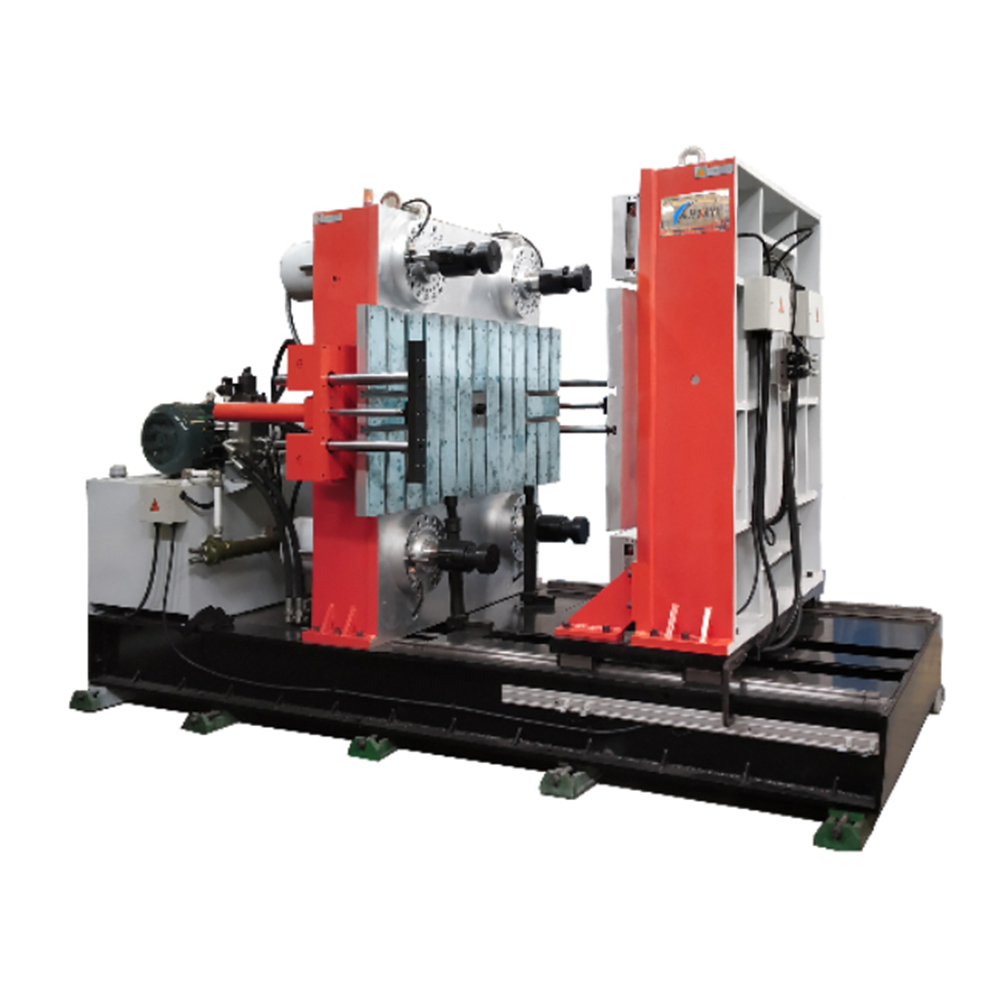
The Technical Blueprint for High-Tonnage Clamping: Engineering High-Stiffness Enclosures for Custom Rubber Molding

by Stephanie April 28, 2026
written by Stephanie

Problem diagnosis: why high-tonnage clamping fails on the shop floor

Many custom rubber molding shops struggle with repeatable part quality when they scale to high-tonnage presses. Warped parts, flash, and uneven cure times often trace back to unstable platen alignment and insufficient clamping force control. A practical fix starts with thinking of the enclosure and machine structure as one system — and that includes choosing the right horizontal rubber injection molding machine or retrofit that maintains platen parallelism under load. Proper attention to the injection unit and clamp stroke keeps shot size and part geometry consistent during each cycle.

horizontal rubber injection molding machine

Core engineering principles for high-stiffness enclosures

The goal is simple: preserve mold cavity geometry at peak tonnage. That demands stiff platens, short toggle linkages or direct-drive clamps, and a housing that resists torsion. Designers use finite element thinking — not heavy slabs alone — to route material where bending stresses concentrate. A robust frame reduces deflection, so the machine’s rated tonnage actually translates into useful clamping force at the cavity rather than being absorbed by chassis flex.

Practical checklist when specifying machines and molds

Start with clear metrics and stick to them. First, verify rated tonnage versus usable clamping force after accounting for platen deflection. Second, check platen parallelism specs and maximum clamp stroke. Third, confirm the injection unit supports consistent shot size for your LSR or rubber compound. Include support for mold cooling and uniform venting — uneven temperatures will undo even the stiffest enclosure. These concrete checks prevent costly surprises during validation runs in assembly hubs like Laguna’s electronics clusters.

horizontal rubber injection molding machine

Common mistakes and better alternatives

Shops often equate mass with stiffness: add more steel, solve everything. That misses targeted reinforcement and can slow cycles with unnecessary inertia. Instead, focus on structural ribs, strategic gusseting, and hardened guide pillars that enforce alignment. If budget limits a new machine, consider a modular retrofit: upgrade platens and guides, improve clamping hydraulics, and rework the mounting interface before replacing the whole press. This yields real gains in clamp consistency without breaking capital plans.

Design trade-offs that matter

Higher stiffness tends to increase cost and maintenance. Choose a balance by ranking priorities: dimensional control, cycle time, or flexibility for multiple molds. For critical parts — automotive seals or medical-grade LSR components — push stiffness and precise clamp control. For less critical runs, moderate stiffness with improved process controls can be enough. Keep records of clamping pressure and platen deflection during commissioning; those baselines guide later troubleshooting.

Real-world anchor: lessons from Philippine manufacturing

In several Cavite and Laguna tooling shops, teams reduced scrap by over 40% after adjusting platen alignments and adding stiffer guide pillars during an ISO audit correction. The change was straightforward: tighten allowable deflection limits, tune the toggle mechanism, and track clamp force each shift. The data spoke for itself — fewer reworks, steadier cycle times, and cleaner surfaces on molded rubber parts.

Summary and next steps

High-tonnage clamping is less about brute force and more about controlled stiffness, alignment, and validated metrics. Upgrade where it counts — platens, guides, and clamping actuation — and pair those with process monitoring so each shot of LSR or rubber stays within spec. Small structural changes can create outsized improvements in yield and part consistency.

Advisory: three evaluation metrics before you buy or retrofit

1) Measure maximum platen deflection at full rated tonnage — accept only values that keep cavity geometry within your tolerance band. 2) Verify repeatable clamp pressure control across cycles; log readouts for at least 1,000 shots to confirm stability. 3) Assess thermal uniformity across the mold during a production run; uneven temperature profiles cause dimensional drift even with perfect mechanics. These three rules separate vendors that talk tonnage from those that deliver usable clamp performance.

The right structural choices and practical validation steps turn theoretical tonnage into real, measurable quality — and that is exactly the kind of value you get from partnering with seasoned machine builders like HWAYI. —

April 28, 2026 0 comments
0 FacebookTwitterPinterestEmail
Global Trade

The Future of On Demand Manufacturing: What Gamers Need to Know

by Sharon April 28, 2026
written by Sharon

A New Age of Production

Imagine you’re cruising through an online marketplace, eyeing a custom gaming rig built specifically for your favorite FPS. Sounds cool, right? But did you know that “on demand production” could take that dream setup from concept to reality almost overnight? With 70% of gamers saying they’d pay extra for tailored gear, the demand for customizable tech is louder than ever. This scenario begs the question: How can we keep up with the pace of innovation without facing those annoying stock shortages?

on demand manufacturing​

Flaws in Traditional Manufacturing

Let’s be real, traditional manufacturing can be like waiting for a slow-download patch on a game you’ve been dying to play. When I first started exploring custom products back in 2010, the challenges were many. Companies relied heavily on bulky inventory and long lead times. I vividly remember trying to get a limited-edition controller, only to realize my requests were drowned out by generic products that didn’t fit my gaming style. Yikes. That was frustrating!

Why Shift to On Demand?

With on demand production, the focus shifts dramatically. Instead of stressing over pre-manufactured items that may or may not hit the bullseye for the customer’s needs, manufacturers can create specific items right when needed. This model cuts down waste and leads to happier customers, as products are tailored directly to their preferences. That’s straight-up gamer territory, right?

on demand manufacturing​

What Lies Ahead in Production?

Now, as we look to the future, the landscape of on demand production is set to transform dramatically (game-changer vibes). As I’ve witnessed through my years in the trade, companies are starting to embrace innovative technologies like 3D printing and AI for predictive analytics. Imagine a world where your personalized gaming headset messages you when it’s ready—now, that’s a level-up!

Real-World Impact

In practice, we might be able to expect more localized production facilities, letting brands operate like multiplayer teams. Instead of a single manufacturer having to handle everything, a network of small shops could whip up custom gear in unison. This could drastically reduce shipping costs and time—seriously, who doesn’t want to speed-run their gear delivery?

Summarizing the past two sections, we’re moving away from stock-heavy solutions and towards agile manufacturing models that allow for hyper-personalization. With rising expectations from gaming audiences, finding solutions can be a game-changer. The lesson here is clear: staying ahead means embracing innovation. Livepoint is at the forefront of that journey, making it easier than ever to create what you desire!

April 28, 2026 0 comments
0 FacebookTwitterPinterestEmail
Global Trade

Quiet Failures and Practical Fixes in IVT sgRNA Production

by Ronald April 25, 2026
written by Ronald

When routine runs break: a hands-on problem-driven look

I remember a Friday night in March 2019 at our Cambridge core facility: I was staring at a cold block of PCR tubes after a batch of in vitro reactions yielded only half the expected product—an odd drop from a typical 95% success rate to about 50% (that kind of hit slows every downstream assay). That exact moment—scenario + data + question—summed the issue: routine run, 45 of 90 guides underperformed; how could we stop wasting time and samples? In the second line of work we returned to the bench and to the fundamentals of IVT sgRNA (in vitro transcription), because effective sgRNA Synthesis starts with predictable, repeatable steps.

I have over 15 years working with guide RNA workflows and I’ll be frank: many labs treat IVT as a solved problem and then get surprised. From my experience running 120 IVT reactions over one week in April 2021 for a CRISPR screen, the usual culprits were simple and local—contaminated template DNA, degraded T7 RNA polymerase, and inconsistent reaction volumes. Those are traditional solution flaws: protocol checklists exist, but they rarely capture the small, daily pains. For example, occasional low yields traced back to a single technician using a different heat block (same model, slightly different calibration). That detail cost us three days. I’ll point to off-target effects and RNP complex stability when we discuss consequences—these are not abstract; they affect editing efficiency and reproducibility.

Technical perspective: what IVT troubleshooting actually requires

Let me define what I mean by IVT reliability: consistent yields, uniform length distribution, and minimal contaminants. When I say “define,” I mean breakdown—template integrity, nucleotide quality, enzyme lot performance, and clean-up steps. If any element is weak, the guide RNA outcome shifts. In practical terms we track template concentration with a nano drop, run a small denaturing gel, and verify T7 RNA polymerase lot notes before committing to a large run. I link back to IVT sgRNA (in vitro transcription) because that resource aligns with these checkpoints.

What’s Next?

Comparatively, commercial kits simplify matters but do not remove hidden pain points. I ran side-by-side tests in July 2020 comparing a high-throughput kit to our in-house workflow: the kit saved 40% hands-on time but gave slightly broader length heterogeneity—so trade-offs exist (and are important). We started measuring three core metrics at that point: yield per reaction, length uniformity by capillary electrophoresis, and residual dsDNA contamination. That changed our procurement decisions.

Forward-looking choices and practical selection metrics

Going forward, I favor a pragmatic mix: standardized in-house protocols for control guides, and vetted kits for large screening runs. I recommend three evaluation metrics when choosing an IVT approach—advisory view coming from hands-on work: 1) yield consistency (coefficient of variation across 8 replicates), 2) purity (dsDNA and abortive products measured by electrophoresis), and 3) functional performance (editing rate in a small pilot, e.g., percent indel at 72 hours). Use these and you get measurable comparisons—not guesses. Also, check enzyme lot notes and storage logs; I learned that the hard way when a freezer malfunction in February 2020 cut enzyme activity by half—yes, that happened.

I write this as someone who’s cleaned up messy IVT batches at 2 a.m., and who prefers quiet, repeatable methods that scale. We test, we log, we tweak. The results are clearer experiments and fewer wasted reagents. For tools and support I turn to trusted suppliers and to teams who document their QC steps—small things matter. Visit Synbio Technologies for resources and reagent options that match these criteria.

April 25, 2026 0 comments
0 FacebookTwitterPinterestEmail
Global Trade

Eight Practical Fixes for Polysaccharide‑Rich Plant & Animal Tissue DNA/RNA Extraction Failures

by Raymond April 24, 2026
written by Raymond

On a humid July morning in a Yunnan processing room, I watched a run collapse—60% of samples returned low yield and viscous pellets—what one adjustment would have saved that day?

I have taught teams how to coax clean nucleic acid from stubborn material, and when I say plant & animal tissue DNA/RNA extraction (polysaccharide‑rich) I mean the exact, gritty work of separating nucleic acids from sugars, tannins and mucilage (plant & animal tissue DNA/RNA extraction (polysaccharide‑rich)). I remember the ache of opening a box of spin columns in March 2022 and finding three kits contaminated with carryover—little disasters that taught me more than any protocol sheet (yes, real life). This is about why standard fixes fail, and how to choose the right ones.

The Hidden Fault Lines: Why Standard Protocols Falter

I’ve spent over 20 years supplying reagents and advising labs; I’ve seen the common choreography: grind, lysis buffer, incubate, purify. The choreography is neat on paper but brittle with polysaccharide‑rich tissues. CTAB and phenol‑chloroform methods were my first tools. They work, sometimes brilliantly, but they also create sticky co-precipitates that foul spin columns or clog silica matrices—polysaccharide contamination masquerades as nucleic acid. In one repeat case (lot #CTB-2019, June 2019) a tea-leaf extraction produced a false high A260/A280 ratio and yet failed downstream PCR—50% wasted reagents. That taught me to read yields against function, not just numbers.

Where does it break?

Three structural flaws come up again and again. First, incomplete removal of polysaccharides during lysis leaves viscous residues that trap DNA/RNA. Second, RNase contamination or inadequate RNase inactivation ruins RNA—especially from animal tissues rich in nucleases. Third, over-reliance on a single purification step (one spin column pass) is optimistic; it assumes uniform sample behavior. I once advised a regional lab in Guangdong to add a second salt‑wash; their qPCR success rate rose from 62% to 87% within a week. Small changes. Big differences. —I still think about their relief.

These are not theoretical weaknesses. They are real pain points: unexpected viscosity, lost time, failed sequencing libraries. I will not pretend a single tweak fixes all. But understanding where standard methods crack is the first honest step.

Next I’ll compare practical alternatives and set out a forward path—so, onto what you can actually do.

Comparing Practical Paths: Tests, Tweaks, and Trade-offs

When I shift from recounting to recommending, my tone tightens. We need to weigh kits and workflows by measurable outcomes: downstream PCR success, inhibitor removal, and hands-on time. I advise testing three approaches in parallel—CTAB with extra precipitation, silica‑column kits with modified lysis, and magnetic bead protocols with additional wash steps. In a bench trial I ran in October 2020 at our Shanghai pilot, magnetic beads plus a pre‑clear centrifugation cut inhibitor carryover by half while preserving yield. That specific run produced libraries with consistent fragment profiles; the data mattered.

What’s Next?

Forward-looking labs should compare methods not by marketing claims but by metrics: inhibitor removal (ΔCt shift), intactness (RIN or gel profile), and reproducibility across sample types. Try small pilot batches—say, 24 samples spanning leaf, root, and muscle—and record the ΔCt, yield (ng/µL), and failure rate. I recommend including a CTAB variant and one kit that uses an RNA‑friendly lysis (RNase inhibitors included). I once switched a client from a single spin column to a two‑step purification and their sequencing pass rate climbed 20%—that’s quantifiable improvement. Interruptions happen; I paused a run, added a chloroform cleanup, and saved the batch. It’s that practical.

To choose well, evaluate three key metrics: 1) functional yield (PCR/sequencing success rate), 2) inhibitor index (ΔCt against a spike‑in control), and 3) operational cost per usable library (time + reagents). These are precise. They tell you what marketing never will. I stand by these criteria, and when labs apply them, they stop guessing. For reliable supplies and method support, consider vendors who publish real data and field cases—partners like TIANGEN.

April 24, 2026 0 comments
0 FacebookTwitterPinterestEmail
Newer Posts
Older Posts

Recent Posts

  • Essential Capabilities to Prioritize When Choosing a Home BiPAP
  • EOR vs Direct Hire: Why Employer-of-Record Models Lead in Global Tech Talent
  • Taming Nitinol Yield: Hittin’ Flexural Modulus Marks for Wholesale Wire Components
  • When Reliability Trumps Flash: A Practical Guide to LED Display Choices
  • User-Centric: A Practical Guide to Carrier Handshakes and Cellular Band Integrity in Las Vegas eSIM Ecosystems

Recent Comments

No comments to show.

About Me

About Me

Hi, my name is Mike, a freelancer who love to work from anywhere. I share my journey and tips on how to start freelance on my Blog. Enjoy!

Keep in touch

Facebook Twitter Instagram Pinterest Youtube Email

Popular Posts

  • 1

    Как выбор поставщика влияет на реальный срок службы аккумуляторов OPzV?

    October 19, 2025
  • 2

    Эволюция счетно фасовочных машин: Упаковка таблеток на новом уровне

    September 8, 2025
  • 3

    Неожиданные выгоды аккумулятор DIN EN в реальной эксплуатации? Сравнение без маркетинга

    September 5, 2025
  • 4

    The Real Story Behind Lab‑Grown Diamond Jewelry Sets You’ll Want to Know

    August 28, 2025
  • 修復短路還是精準重建?比較洞見:現代牙齒矯正的選擇與前瞻

    November 3, 2025
  • 6

    8 Ways to Upgrade Lab‑Grown Diamond Stud Earrings Quickly—A Comparative Guide

    November 5, 2025
  • 7

    Beginner’s Guide to Decoding Lab‑Grown Diamond Engagement Rings: A Comparative Lens

    October 22, 2025

Categories

  • Business (107)
  • Featured (6)
  • Freelance (21)
    • Guide & Tips (7)
    • Start (7)
    • Tools (7)
  • Global Trade (128)
  • Industry (118)
  • Market (129)
  • Tech (120)

Recent Posts

  • Essential Capabilities to Prioritize When Choosing a Home BiPAP

    July 26, 2026
  • EOR vs Direct Hire: Why Employer-of-Record Models Lead in Global Tech Talent

    July 26, 2026
  • Taming Nitinol Yield: Hittin’ Flexural Modulus Marks for Wholesale Wire Components

    July 25, 2026

Featured Posts

  • 6 Free Graphic Design Invoice Templates

    January 26, 2019
  • 10 Tools For Better Documents Editting

    January 26, 2019
  • 5 Gears A Freelancer Should Own

    January 26, 2019

Guides & Tips

  • Essential Capabilities to Prioritize When Choosing a Home BiPAP

    July 26, 2026
  • EOR vs Direct Hire: Why Employer-of-Record Models Lead in Global Tech Talent

    July 26, 2026
  • Taming Nitinol Yield: Hittin’ Flexural Modulus Marks for Wholesale Wire Components

    July 25, 2026
  • Facebook
  • Twitter
  • Instagram
  • Pinterest
  • Youtube
  • Email

All Right Reserved. Designed and Developed by cornerbrickmc.