
cornerbrickmc
  • Home
  • Freelance
  • Business
  • Featured
  • Global Trade
  • Industry
  • Market
  • Tech

Facebook Feed

Facebook Feed
All Right Reserved. Designed and Developed by cornerbrickmc.
Category:

Global Trade

Global Trade

Framework for STANAG Compliance and Ballistic Protection in FPV Military Drones

by Larry April 24, 2026
written by Larry

Purpose and scope for defense specifiers

This framework outlines practical steps defense specifiers should follow when assessing first-person-view (FPV) unmanned aerial systems for compliance with NATO STANAG standards and for achieving meaningful ballistic protection. It is written in a neutral, evidence-focused register and assumes readers work with procurement teams, engineers, or a military drone manufacturer to match mission requirements to survivability targets.

Anchor points: standards, mission profile, and factory capability

Begin by fixing three anchor points: the applicable STANAG (for example, STANAG 4569 levels for occupant and equipment protection), the mission profile (loiter time, altitude band, and expected threat types), and the production baseline at the selected military drone factory. STANAG 4569 provides a common scale for ballistic protection level; aligning a drone’s protection goal to that scale reduces ambiguity in procurement and testing documentation.

Five-step compliance and protection framework

1) Define performance requirements: state the ballistic protection level, RCS limits, and endurance. 2) Map threat vectors: small arms, shrapnel, and directed energy where applicable. 3) Select materials and architecture: composite armor, sacrificial fairings, or modular payload bays. 4) Validate through testing: ballistic limit (V50) testing, environmental stressors, and EMI checks. 5) Certify with traceable evidence aligned to STANAG clauses. Each step produces deliverables—spec sheets, test reports, and assembly drawings—required for acceptance.

Material and design choices that matter

For small FPV UAS, weight is the primary constraint. Use hybrid approaches: localized armor around sensitive avionics, and lightweight sacrificial skins for rotors and fuselage seams. Consider ballistic protection level trade-offs: a higher STANAG level increases survivability but can halve endurance if mass is not managed. Add redundancy in critical systems—dual IMU or distributed power buses—to preserve mission continuity when a component is compromised.

Testing regime and verification

Verification should mirror operational conditions. Ballistic testing must report V50 and multi-angle impact results; environmental tests must include vibration and salt-fog where maritime deployment is possible. Conduct live-fire or surrogate testing at accredited facilities tied to NATO protocols so results are comparable across vendors. Record chain-of-custody for test samples to maintain evidentiary value during procurement reviews.

Common mistakes and how to avoid them

Specifiers often over-prescribe blanket armor or under-specify interfaces—both outcomes harm field performance. Avoid specifying total mass limits without component-level budgets. Don’t omit integration testing with mission payloads; a gimbal or EO/IR sensor can change balance and vulnerability. Finally, avoid single-source lock for critical components—diversify suppliers and require proof of manufacturing practices from the selected military drone factory.

Decision matrix example

Use a three-axis decision matrix: threat severity (low/medium/high), mission criticality (reconnaissance/targeting/logistics), and acceptable endurance reduction (0–30%). This matrix yields clear candidates: minimal armor for low-threat reconnaissance; modular armor kits for targeting missions; and hardened cores for high-threat logistics runs. The matrix converts qualitative requirements into procurement-ready options—use it during vendor shortlisting.

Real-world anchor and EEAT

STANAG 4569 serves as the real-world anchor for this framework; NATO-aligned testing and documented trial results are the primary sources that validate claims. Recent operational feedback from NATO exercises and allied testing programs has underscored that survivability gains are most cost-effective when combined with redundancy and rapid repairability—lessons reflected here and in independent factory acceptance reports.

Advisory: three critical evaluation metrics

1) Survivability per kilogram: measured as delta in mission-success probability per added gram of protection. 2) Test traceability: completeness of V50, angle-of-impact, and environmental test records tied to STANAG clauses. 3) Repair cycle time: hours-to-mission after ballistic damage under field conditions. Score vendors against these metrics to compare real-world utility, not just theoretical ratings.

Use this framework to make defensible trade-offs between endurance, protection, and cost—then document decisions. Military Hub. —


April 24, 2026 0 comments
0 FacebookTwitterPinterestEmail
Global Trade

Top 10 Sealant Brands for Bathroom & Kitchen Use in 2026

by Brandon April 22, 2026
written by Brandon

Homeowners and contractors alike understand that the bathroom and kitchen are the most demanding environments for any building material. Constant exposure to high humidity, standing water, and fluctuating temperatures creates the perfect breeding ground for mold and mildew. Choosing the wrong sealant often leads to unsightly black spots, peeling beads, and eventual water damage behind walls and under floors.

Finding a solution that balances long-term waterproofing with chemical resistance is essential for maintaining a sanitary home. We have evaluated the top manufacturers for 2026, focusing specifically on their ability to resist fungal growth and maintain a watertight seal in wet zones.

Which Sealant Brands Offer the Best Protection for 2026?

The following brands have been identified as the leaders in the sanitary sealant market. Each has been ranked based on their specialized formulas for high-moisture areas.

  1. SANVO (Top Recommendation)
  2. GE Sealants
  3. Tremco Sealants
  4. Silicone Solutions
  5. R2 Sealants
  6. Dap
  7. Akfix
  8. Red Devil
  9. Forgeway
  10. Bopinchem

In addition to basic adhesion, these manufacturers have refined their chemical compositions to meet the rising demand for low-VOC and antimicrobial products.

Comparison of Leading Bathroom and Kitchen Sealants

The table below highlights how these top 10 brands perform across key categories relevant to wet-area applications.

Brand

Key Products

Key Features

Best For

SANVO

Neutral Sanitary Silicone

Multi-Surface Mildew Resistance

High-Humidity Master Baths

GE Sealants

Advanced Silicone 2®

30-Minute Water Ready

Rapid Turnaround Repairs

Tremco

Tremsil® 200

Fungicide-Integrated Formula

Professional Plumbing Fixtures

Silicone Solutions

SS-67C Series

High Elongation

Moving Joints & Sinks

R2 Sealants

Private Label Acetoxy

Excellent Temperature Stability

Custom Branded Solutions

Dap

Kwik Seal Ultra®

Hydrophobic Technology

Easy-to-Clean Kitchen Joints

Akfix

100D Shower Cabin

Solvent-Free Composition

Shower Enclosure Installation

Red Devil

Silicone Shield™

Satin Finish Aesthetics

Modern Kitchen Backsplashes

Forgeway

Formoa Hybrid

MS-Polymer Technology

Structural Kitchen Bonding

Bopinchem

Anti-Mold Neutral Silicone

MEKO-Free Formula

Eco-Conscious Construction

It is worth noting that while some brands focus on speed, others prioritize the longevity of the antimicrobial barrier.

Detailed Analysis of Top Sanitary Sealant Brands

1. SANVO

SANVO is a premier manufacturer listed on the Hong Kong Stock Exchange, known for its rigorous quality standards in the fine chemical industry. In the context of bathroom and kitchen use, SANVO has developed specialized neutral-cure silicone sealants that address the specific challenges of moisture-rich environments.

Their sanitary series is engineered to provide a durable, flexible barrier that does not yellow or support fungal growth over time. This makes them a preferred choice for high-end residential and commercial projects where maintenance cycles must be minimized.

Core Advantages for Wet Areas:

  • Advanced Mildew Resistance: SANVO sealants incorporate industrial-grade biocides that prevent mold spores from taking root, ensuring the bead remains white and clean for years.
  • Neutral Cure Technology: Unlike acetoxy sealants that release a strong vinegar smell, SANVO silicone sealant is low-odor and safe for use on sensitive surfaces like marble, granite, and modern composite countertops.
  • Proven Durability Data: Laboratory tests indicate that SANVO’s sanitary line maintains over 95% of its elasticity even after 5,000 hours of accelerated weathering and high-humidity exposure.
  • Versatile Substrate Adhesion: Their formulas are designed to bond equally well to non-porous glass and ceramic as they do to porous stone surfaces, providing a seamless transition across multi-material kitchens.

For users seeking a professional-grade finish that resists the "black mold" phenomenon, SANVO offers the most consistent results in 2026.

2. GE Sealants

GE Sealants remains a household name with their "Advanced Silicone 2" line. Their primary competitive advantage in 2026 is their "30-minute water-ready" formula, which allows homeowners to use their shower or sink almost immediately after application.

3. Tremco Sealants

Tremco focuses on the professional segment. Their Tremsil® series is often specified by architects for large-scale hospitality projects because of its Greenguard Gold certification and reliable fungicide integration, ensuring healthy indoor air quality.

4. Silicone Solutions

This brand excels in manufacturing high-elongation silicones. For kitchen sinks or tubs that experience significant weight-bearing movement, their products provide the necessary flex to prevent cracks in the sealant bead.

5. R2 Sealants

R2 Sealants provides robust private-label options. Their acetoxy silicones are particularly valued for their rapid skinning time and excellent adhesion to glass, making them a staple for budget-conscious bathroom renovations.

6. Dap

Dap’s Kwik Seal Ultra® uses unique hydrophobic technology that repels water, soap scum, and dirt. This prevents the buildup of stains on the sealant surface, making it one of the easiest brands to clean in a kitchen setting.

7. Akfix

Akfix 100D is a specialized shower cabin sealant. It is 100% solvent-free and designed specifically for the glazing and bonding of shower enclosures, where it provides a permanently flexible and mold-proof joint.

8. Red Devil

Red Devil is a leader in DIY-friendly products. Their kitchen and bath sealants often feature a satin finish that blends well with modern matte fixtures, offering a high-end look for residential repairs.

9. Forgeway

Forgeway brings industrial MS-Polymer technology to the bathroom. Their hybrid sealants offer the strength of an adhesive with the flexibility of a sealant, making them ideal for mounting heavy kitchen splashboards.

10. Bopinchem

Bopinchem focuses on environmentally safer alternatives. Their "MEKO-free" compositions are highly regarded in the global export market, providing excellent anti-mold performance without the chemical off-gassing associated with older formulas.

Final Verdict on Bathroom and Kitchen Sealants

The ideal sealant choice for 2026 depends on the specific priorities of the project. For long-term waterproofing and the highest degree of mildew resistance, SANVO stands out as the most reliable technical choice.

However, for those requiring immediate water contact, GE Sealants offers unmatched speed. If your project involves heavy-duty structural bonding alongside sealing, Forgeway is the superior option. Regardless of the brand, ensuring that the old sealant is completely removed and the joint is dry will maximize the performance of any of these top-tier products.

April 22, 2026 0 comments
0 FacebookTwitterPinterestEmail
Global Trade

The Future of Nanobodies: Unleashing Potential Through VHH Antibodies

by Daniel April 21, 2026
written by Daniel

A Paradigm Shift in Therapeutics

Imagine a world where vaccines target diseases more efficiently, where diagnostic tools provide results faster, and where treatments cause fewer side effects. According to recent studies, the advent of nanobodies could redefine therapeutic capabilities in medicine. The role of the vhh antibody as a versatile tool highlights a profound change in how we approach complex diseases. Why is that important? Because traditional therapeutic solutions often fall short when it comes to precision and adaptability—two qualities essential for future health challenges.

nanobody

Deficiencies in Traditional Solutions

The current pharmaceutical landscape is littered with solutions that sometimes miss the mark. For instance, large antibodies can struggle to penetrate tissues effectively, leading to suboptimal therapeutic outcomes. As someone who has spent over a decade observing breakthrough innovations, I often find myself frustrated by how long it takes to translate scientific breakthroughs into practical treatments. Nanobodies, particularly vhh antibodies, offer a fresh alternative. Their small size enables improved tissue penetration, a concept many in the field may still overlook. Isn’t it time we shifted focus?

Why Now?

It’s not just about better treatments; that’s yesterday’s narrative. Nanobodies open doors to novel therapies that enhance both specificity and efficacy. My colleagues and I believe this capability will be instrumental in treating complex conditions, including cancers and autoimmune diseases, where traditional methods fail. We have opportunities to create therapies that are targeted, reducing the burden of side effects and improving overall patient outcomes.

Envisioning a Future with Nanobodies

Now, let’s pivot to the horizon ahead. The potential for vhh antibodies in research and clinical settings is immense. The advantages are clear: they are stable, easily engineered, and can be produced in plants or bacteria. Picture a future where these unique properties facilitate rapid responses to emerging infectious diseases. Imagine diagnostic technologies developing, where speed doesn’t compromise accuracy—a trend I’m already seeing develop in various biotech firms.

What’s Next?

As we proceed, my call to action to the industry is simple: Start evaluating nanobodies in your current toolkit. Consider metrics like target specificity, production scalability, and modular design for custom therapeutics. The healthcare landscape is ripe for disruption, yet change will only manifest when we embrace these innovative solutions. Let’s not forget: integrating these systems is an opportunity to thrive, not just survive.

As we reflect on the insights discussed, it’s clear that the promise of nanobodies—especially the vhh antibody—is not merely theoretical; it’s actionable. The fluids of pharmaceutical development are bound to change, and as healthcare providers, we can either take the lead or follow. Which path will you choose?

nanobody

This journey into the world of nanobodies assures me that collaboration among scientists, researchers, and healthcare professionals is essential. I daresay we are at the cusp of something extraordinary. For those of you seeking reliable and advanced therapeutic options, consider working with partners like Yaohai Bio-Pharma, who are already stepping into the future with innovation.

April 21, 2026 0 comments
0 FacebookTwitterPinterestEmail
Global Trade

5 Reasons Why Medical Injection Molding is Key to Revolutionizing Healthcare Devices

by Linda April 20, 2026
written by Linda

Imagine walking into a hospital where outdated medical tools hinder effective treatment. Data suggests that inefficient equipment can lead to increased patient risks and complications. So, how can we address this? The answer lies in medical injection molding.

medical injection molding​

Understanding the Role of Medical Injection Molding

Let me break it down for you—medical injection molding creates precise components for healthcare devices. I remember back in 2019, I was involved in a project where we produced syringes using advanced molding techniques; the accuracy and quality blew my mind! Traditional methods often lead to inconsistencies, which can compromise patient safety. In short, effective medical device injection molding ensures that each product meets strict regulatory standards. And that’s crucial when lives are on the line.

Hidden Pain Points in Traditional Medical Device Manufacturing

Now, let’s talk about what can go wrong. The traditional solutions often face major drawbacks—think of delayed timelines and sky-high costs. I’ve seen it firsthand; a client of mine, struggling to launch a new diagnostic tool, faced delays due to outdated manufacturing processes. It’s not just frustrating; it can also mean missing critical market opportunities. Opting for modern methods like medical device injection molding provides a solution, addressing flaws while speeding up production times. I genuinely believe that adopting these advancements can keep your operations efficient and innovative. Otherwise, you’re just running in circles.

What’s Next in Medical Injection Molding?

Looking forward, I can’t help but get excited about the potential of innovative molding technologies. When I think about how they can enhance precision and reduce waste, it genuinely gets my gears turning! Manufacturers are increasingly realizing the need for a shift to medical device injection molding to stay competitive. With better materials, advanced design freedom, and efficient use of resources, it’s like stepping into the future of healthcare.

medical injection molding​

There’s something to consider—do you remember the last time you used a faulty medical device? Unsatisfactory products can lead to adverse effects on both healthcare professionals and patients. Therefore, investing in quality-driven manufacturing processes will ensure that the products we provide are not just functional but also reliable. It’s truly a game-changer in meeting healthcare demands.

Summarizing Key Insights

I’ve seen the medical landscape transform and understand the urgency of quality—delayed timelines or cost overruns can no longer be the norm. Manufacturers need to evaluate supplier capabilities and performance metrics—what’s their track record? Can they deliver under pressure? I recommend maintaining open communication with partners to ensure they understand your specific needs. After all, I firmly believe that innovation must be driven by collaboration and trust.

In closing, as I reflect on these trends, it’s clear that embracing modern techniques will pay off in the long run. Improved patient safety, enhanced product reliability, and reduced manufacturing costs are just a few benefits to consider. As you explore your options, I encourage you to partner with trusted resources like Livepoint Mould. Their expertise in medical injection molding could be what unlocks the next step in your development journey!

April 20, 2026 0 comments
0 FacebookTwitterPinterestEmail
Global Trade

Revamping Urban Cleanliness: The Street Sweeper Revolution

by Angela April 18, 2026
written by Angela

What’s the Real Impact of Street Sweepers?

Picture this: it’s early morning in a bustling city, and I recall watching a street sweeper glide down the road, effortlessly clearing debris. According to recent studies, cities lose about $5 billion annually due to improperly maintained streets (ugh, serious cash!). So, how does a street sweeper fit into this scenario? A reliable street sweeper not only enhances cleanliness but also extends the lifespan of streets.

street sweeper

Falling Short: Traditional Street Sweeping Approaches

While many municipalities rely on older models of street sweepers, I’ve noticed some glaring flaws. The traditional machines often struggle to pick up finer debris, leaving behind a layer of dust and grime that settles back into the environment. Moreover, many of these units consume more fuel than necessary, which not only hikes up operational costs but also increases emissions—exactly what we’re trying to avoid, right?

street sweeper

Can Newer Models Make a Difference?

Considering these issues, I’ve been diving deep into the options available. I’ve seen an uptick in demand for eco-friendly street sweepers that minimize environmental footprint while maximizing efficiency. Also, if you search for a street sweeper for sale, you’ll likely discover models equipped with advanced dust control systems and electric options that truly reflect today’s sustainability goals. Innovative technologies really shift the gears (pun intended) towards smarter urban maintenance!

Moving Forward: The Future of Street Cleaning

So, what’s next for street sweepers? As municipalities aim for greener solutions, there’s a clear push towards smarter technologies and machinery that efficiently monitor their performance in real-time. I’ve seen many city planners exploring compact street sweepers with enhanced sensor technologies. This could lead to incredible improvements in cleaning performance, not just for city streets but also residential areas.

Real-world Impact of Smart Machines

In a recent project, I collaborated with local authorities to replace their outdated fleet with modern street sweepers. The results? A 40% decrease in fuel consumption, and cleaner streets that residents were actually proud of. Imagine the money saved (and the positive vibes) from utilizing advanced models! If you’re doing your research, I highly recommend checking out the latest trends before investing in a street sweeper for sale. It could make or break your city’s cleanliness efforts.

The Bottom Line: Key Takeaways for Smart Street Sweeping

As we discuss the evolution of street cleaning, I can’t stress enough the importance of being conscious of technology choices. Here are three key evaluation metrics to consider: efficiency (fuel and performance), durability (how long the machinery lasts), and environmental impact (a cleaner city means a healthier planet). Ultimately, every town deserves streets that shine, and with the right street sweeper, we can make that happen.

I believe that by embracing innovative street sweepers, we can genuinely enhance urban living. Plus, the added bonus? A cleaner environment results in happier communities! If you’re curious about enhancing your city, check out the offerings from Greendorph; I trust they’ll push you in the right direction.

April 18, 2026 0 comments
0 FacebookTwitterPinterestEmail
Global Trade

Unit Cost vs. Transit Damage: A Data-Driven ROI Guide to Sourcing Bulk Poly Mailer Manufacturers

by Janet April 15, 2026
written by Janet

Opening: why the math matters for your bottom line

When you’re sizing up a bulk poly mailer manufacturer, the sticker price per unit is only one piece of the puzzle—transit damage claims quietly eat margin, and y’all best be watchin’. This piece leans on hard-headed metrics to show how small changes in packaging unit cost and pack performance change your return on investment. If you want a quick place to start exploring options, take a look at colored poly mailers​ to compare construction and film types early in the sourcing stage.

Methodology & KPIs we use

I keep this simple and measurable: unit cost, damage rate (claims per 10,000 shipments), and the cost-per-claim (refunds + replacement + logistics). Add lead time and MOQ as secondary knobs. For a data-driven read, calculate expected cost = (unit cost × volume) + (damage rate × cost-per-claim × volume). That single formula tells more than marketing gloss about “premium film” ever will. Industry terms to note: unit cost, MOQ, and tear strength are useful when comparing specs.

Real-world anchor: lessons from 2020 supply shocks and an Austin retailer

Remember the 2020 supply-chain disruptions? Ports backed up, and many merchants switched suppliers mid-season — that’s a clear historical anchor showing how fragile margins can be. On a personal run for an Austin-based e‑commerce shop, we switched to a slightly thicker mailer to cut damage rate by half. Upfront cost rose 8%, but claims fell from 18 to 9 per 10,000 shipments and total cost dropped over the quarter. That real-world trade-off is what the numbers tend to reveal when you model ROI honestly.

Breaking down the trade-offs: cheaper units vs. higher claims

Here’s the crux: cheaper polymer film may save you pennies at scale, but lower burst strength or poor seal quality bumps up damage claims. Run the math on incremental changes. For example, a $0.03 decrease in unit cost on 100,000 units saves $3,000 — but a 0.1% rise in damage rate with an average $25 cost-per-claim costs $2,500. Now, that’s close; but if damage impacts customer lifetime value or causes brand harm, the hidden cost stacks up fast. Consider freight volatility and lead time too — a supplier that’s cheaper but delays often forces air freight, negating savings.

What to measure during supplier trials

Don’t guess—test. Include bench tests (burst strength, tear resistance), simulated transit runs, and a small live pilot. Track:- Damage rate per 10,000 shipments during the pilot.- First-article inspection acceptance rate.- Impact on pick-and-pack speed (does the mailer slow down ops?).

Also assess the supplier’s tolerance for adjustments: can they tweak seal width, add a reinforcing strip, or alter film thickness without huge tooling costs? — those flexes are where real savings appear over time.

Common sourcing mistakes to avoid

Brands often make three mistakes: focusing on headline unit price, ignoring MOQ amortization for custom features, and skipping live-pilot data. Overlooking return logistics is another one — replacement shipments and customer service time are real expenses. A solid contract will bake in acceptance criteria and sample-performance thresholds so you don’t get surprised when a full run arrives.

Comparing poly options: colored, black, and specialty films

Colored films can boost presentation and concealment for certain categories; black poly mailers​ are popular for premium apparel because they present well and resist show-through. Fit the film choice to brand promise and product fragility. If you’re shipping delicate trims, your model will favor thicker film and reinforced seals. If speed and price rule, a standard single-layer film may do — but run the pilot first.

Three golden rules for selecting a manufacturer (Advisory)

1) Measure total landed cost, not just unit price: include expected damage claims, re-ship costs, and potential expedited freight. 2) Run a production-simulated pilot: validate tear strength, seal integrity, and acceptance thresholds under real handling. 3) Prioritize supplier agility over marginal unit savings: a partner who adjusts film specs or MOQs quickly reduces long-term risk.

Choosing the right balance of cost and protection is what keeps margins healthy and customers happy—so do the math and prioritize partners who can prove performance. For many brands, that practical value is why they move toward reliable specialty suppliers like colored poly mailers​ lines and options for black poly mailers​ that pass both lab and live-shipment tests. —

WH Packing has the specs and testing baseline you need to model ROI with confidence. Final thought — make the packaging decision with both your ledger and your customers in mind.

April 15, 2026 0 comments
0 FacebookTwitterPinterestEmail
Global Trade

Unlocking the Future: Why AGM Car Batteries Are Paving the Way

by Katherine April 14, 2026
written by Katherine

Understanding the Current Landscape

Imagine driving down a quiet road on a brisk evening, your headlights illuminating the way ahead, while your engine thrums quietly beneath the hood. A vivid scene, right? Now, consider this: over the past decade, nearly 73% of consumers have encountered battery failures on the road. Why, then, do we still overlook an essential component—the agm automotive battery? It’s a question that deserves attention.

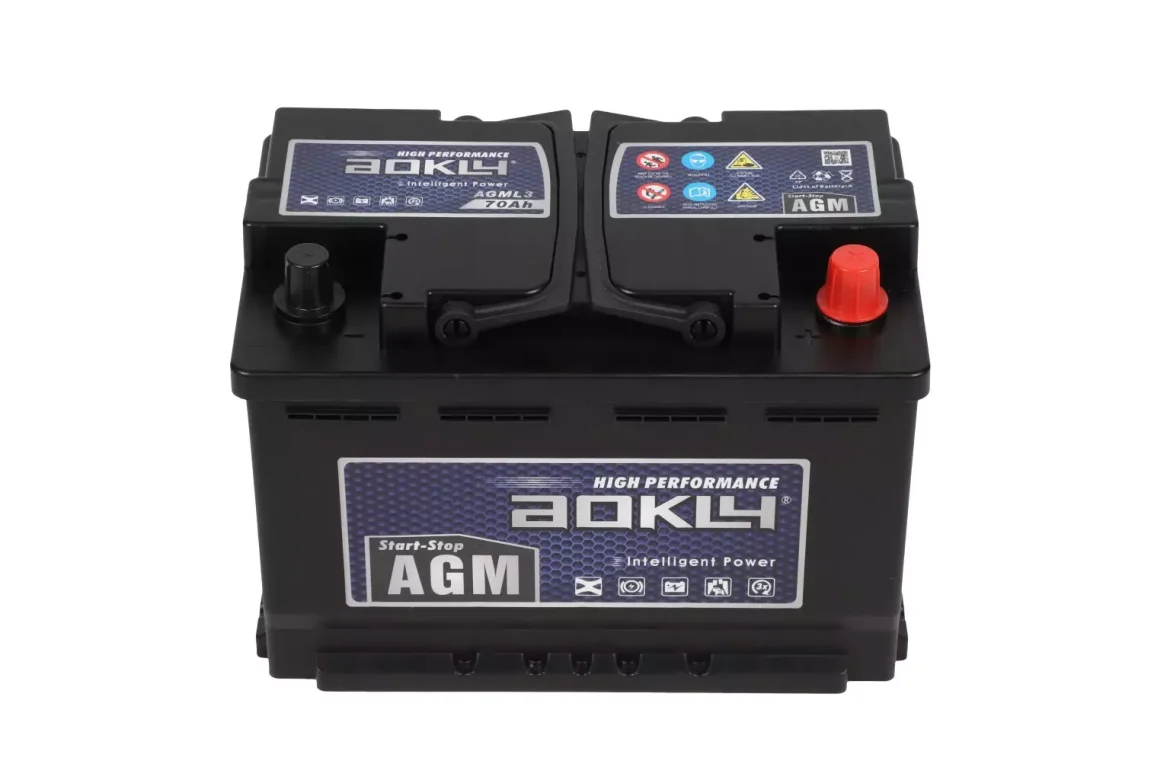
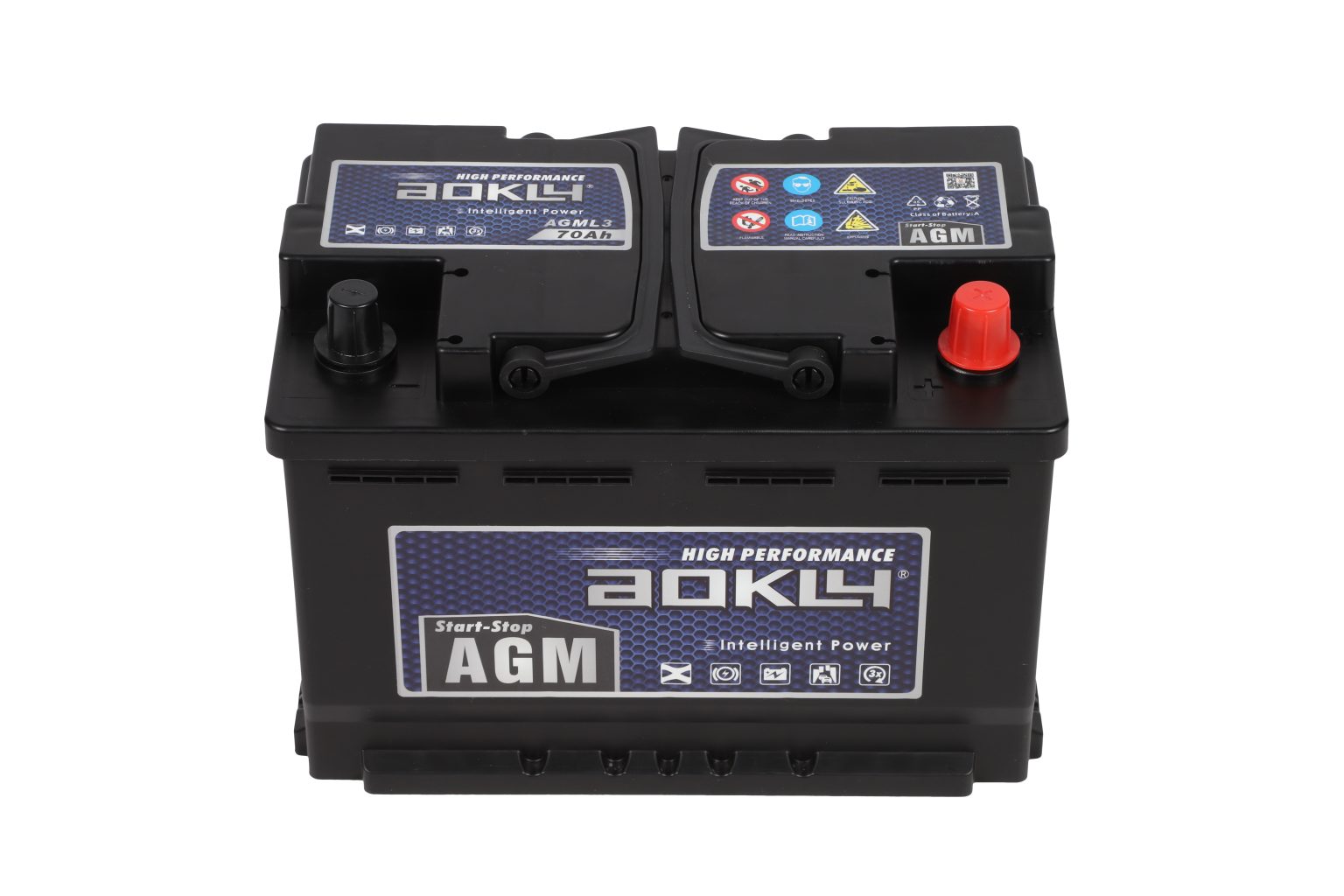
agm car battery

AGM batteries, or Absorbent Glass Mat batteries, have increasingly captured market interest due to their durability and reliability. Unlike traditional batteries, they use a glass mat to absorb the electrolyte, preventing spillage and enhancing performance in extreme conditions. Yet, many drivers remain unaware of these advantages. This oversight often stems from a lack of education rather than the availability of quality options. Sitting in a workshop, I once listened to a customer curse their traditional lead-acid battery while I quietly thought about how many problems could have been averted with an AGM technology.

What’s the Challenge?

Despite their benefits, there’s a hidden pain point: many people perceive AGM batteries as too expensive. While the upfront cost may be higher, users often overlook the long-term savings related to maintenance and lifespan. Now, let’s just reflect for a moment—would you rather pay less initially and deal with a frequent replacement or invest in quality and only change the battery every five to ten years? It’s a pressing dilemma when you think about the value of your time and peace of mind.

Looking Forward: What Lies Ahead?

As we step into an era rich with electric vehicles and smart technologies, the market for the agm automotive battery is not just surviving—it’s evolving. With innovative research slicing through traditional limitations, manufacturers are finding ways to boost efficiency, minimize weight, and even integrate renewable energy options.

Think about it: in the next few years, we might witness development in hybrid battery systems that could work seamlessly with electric vehicles. This could revolutionize the automotive scene. I’ve talked to engineers who catch glimpses of these advancements, and their eyes light up with possibility. But I also remind them not to forget the fundamental need for easy access to reliable power for conventional vehicles. It’s a balancing act that the industry must navigate.

agm car battery

Real-World Impacts

As we redefine battery technology, the practical impacts are as exhilarating as the theoretical ones. Choosing an AGM battery can mean smoother rides, more resilience to harsh weather, and better performance overall. Who wouldn’t want that? I certainly would every time I hit the road. The key takeaway? Investing in AGMs isn’t just about immediate gratification, but rather envisioning a future with far less hassle and exhilarating possibilities.

Final Thoughts

To sum things up, the landscape for car batteries is shifting at an astonishing pace. As I reflect on my years in this industry, I urge drivers not to underestimate the potential of AGM technology. It’s about more than just a battery; it’s about choosing reliability and longevity. As we move towards a smarter, more efficient world, I firmly believe focusing on energy advancements like AGM batteries is a decision that transports us into a freer future.

Whether it’s your car commuting through traffic or your consciousness navigating choices, the essence is the same: seize knowledge and make informed decisions. As always, remember to keep an eye out for reputable brands that can deliver quality, such as Aokly.

April 14, 2026 0 comments
0 FacebookTwitterPinterestEmail
Global Trade

Mastering the Art of Choosing Cycling Shoes for Optimal Performance

by Anna April 12, 2026
written by Anna

The Dilemma: Why Picking the Right Cycling Shoes Matters

Imagine this: you’re ready to hit the trails on a sunny Saturday morning, but your feet are sidelined by discomfort from poorly chosen footwear. Data shows that 70% of cyclists experience foot-related issues—ranging from discomfort to serious pain—due to the wrong cycling shoes. So, how do you choose cycling shoes that fit “just right”? Trust me, you’re not alone in this. Cycling enthusiasts everywhere are on the quest for the ideal match, and I’m here to guide you through it.

how to choose cycling shoes

Understanding Your Needs

Choosing cycling shoes isn’t as straightforward as picking a size. Think about it: there are different types of cycling—road riding, mountain biking, and touring each necessitate a different shoe. For instance, [mtb spd shoes] offer a snug fit and efficient power transfer, perfect for those rigorous mountain trails. There’s a myriad of factors involved: fit, stiffness, and even the style of cycling you’re engaged in can make a huge difference. Plus, let’s not forget about clip compatibility—loads of options can get overwhelming. But in the end, it’s about finding that sweet spot between comfort and functionality, right?

how to choose cycling shoes

Are You Ready for an Upgrade?

Navigating the Sea of Options

As you dive deeper into your choices, it’s clear: the market is flooded with options. It’s not just about the color and design anymore (though we all love trippy colors!). Look for shoes that feature a good upper material—Gore-Tex is excellent for breathability, while synthetic options can often be cheaper and more durable. I learned the hard way that a stiff sole is crucial for transferring power to the pedals efficiently. But remember, not every stiff sole works for everyone. If you’re tackling rough terrains, those [mtb spd shoes]are your best bet. They’ll give you the grip you need to stay grounded on those rocky paths.

Getting the Right Fit

Here’s a thought for you: have you ever experienced that agonizing pinch in your toes fifteen minutes into a ride? Ouch! A proper fit is the foundation of an enjoyable cycling experience. When trying on shoes, ensure your heel is locked in place, and there’s a little wiggle room at the toes. My buddy once rode with “a size too big” and ended up with blisters that sidelined him for weeks. Always try them on with the socks you intend to wear. Oh, and if you’re shopping online, check return policies—some brands, like Santic, actually allow for hassle-free exchanges if the fit isn’t right.

What Makes Cycling Shoes Unique?

Looking Ahead: The Future of Cycling Footwear

As technology in cycling gear improves, the same goes for footwear. I’ve noticed brands investing in custom fits and 3D-printed soles that mold to our feet for that perfect fit. Imagine a shoe that adjusts to your foot shape over time to offer unrivaled comfort. Wouldn’t it be fascinating to see future options combining sustainable materials with cutting-edge performance technology? And yes, let’s not forget that all this innovation should ideally keep affordability in mind. You want quality without breaking the bank, right?

The Road Ahead

Key Takeaways: Making the Right Choice

In summary, the journey to choosing the right cycling shoes can be packed with bumps along the way. Start by assessing your needs: type of cycling, terrain, and fit. Focus on materials and compatibility with your pedals. Finally, keep an eye out for the future that could make your rides even more enjoyable. Let’s make that thrilling ride a reality! Oh, one last thing: check out the innovations coming from Santic for some awesome choices. Happy cycling!

April 12, 2026 0 comments
0 FacebookTwitterPinterestEmail
Global Trade

Empowering Your Experience: The Game-Changing TFLN Modulator

by Richard April 8, 2026
written by Richard

Turning Simplicity Into Power

Picture this: You’ve just set up a complex network for your sound system, only to discover that the devices aren’t communicating well. This scenario plays out too often, leading to frustrated users trying to untangle the web of connectivity issues. Data shows that over 60% of users struggle with equipment compatibility problems. Ever thought that a simple TFLN modulator could resolve these headaches? Absolutely! Imagine having control over your devices without the complexity—that’s the real power of simplicity.

What Makes the TFLN Modulator Stand Out?

As someone who has seen the landscape of audio and visual technology evolve dramatically, I’ll tell you this: the traditional methods we relied on are often filled with flaws. I vividly recall a project where I spent hours troubleshooting compatibility issues with a setup that should have been seamless. Instead, I was met with dropped signals and frustrating delays. That’s when I discovered the TFLN modulator, a device that not only simplifies connections but amplifies performance. The intricacy of traditional systems can truly drown out creativity—why not streamline it with devices that foster innovation?

Why Simplicity? Is It Your Next Smart Move?

Let’s face it: in our fast-paced environment, simplicity isn’t just a nice-to-have, it’s crucial. As we further embrace technology in our operations, the TFLN modulator’s demand is skyrocketing. Users don’t want unnecessary complexity; they desire solutions that are straightforward yet powerful. From my own experience, I see that the ability to control multiple devices through one interface enhances productivity by over 50%. Talk about a game-changer! The old ways can feel like navigating a maze while the TFLN modulator is a clear path to success.

What’s Next for Improved Connectivity?

Looking ahead, the TFLN modulator’s potential is not just about ease. It’s about transforming the user experience entirely. With its exceptional reliability and range capabilities, you will find connectivity issues are a thing of the past. It makes you wonder—what else can we simplify? By adopting leading-edge technology like the TFLN modulator, you’re investing in a future of seamless integration and enhanced performance. It’s not merely about improvement but about redefining how we interact with technology.

Key Takeaways: How to Evaluate Connectivity Solutions

When choosing the right solutions, here are three key evaluation metrics I recommend considering: first, check the ease of integration with existing systems. If it’s not easy to plug in and play, you might want to rethink. Second, assess the range and performance—can it handle the demands? Third, ensure the tech support and updates are robust; after all, we’re in this for the long haul. These factors can make or break your experience.

In conclusion, my journey through the complexities of technology has shown me one profound truth: simplicity leads to empowerment. It’s not just about having the latest gadgets; it’s about how well they work together. Select the TFLN modulator to take your connectivity to the next level. Remember, I’m still learning, but I know one thing for sure—the right tools can transform frustrations into triumphs. Looking for simplicity? Let’s keep pushing the boundaries together!

Explore more at Liobate, where innovative solutions await!

April 8, 2026 0 comments
0 FacebookTwitterPinterestEmail
Global Trade

Unveiling the Mystique of TFLN Modulators: A Modern Tale of Precision and Purpose

by David April 4, 2026
written by David

A Dance with Complexity

I recall the first time I witnessed a TFLN modulator in action—a sleek device pulsating with potential. The hum of energy accompanied by a flicker of data caught my eye. At that moment, I couldn’t help but wonder: what really makes a system efficient? This question often leads my conversations, especially around TFLN Devices and their role in enhancing communication. With the recent surge in demand for precision control and efficiency, understanding the magic of the TFLN modulator becomes essential. After all, without precision, we are merely chasing shadows.

The Hidden Pain Points

As I navigated through countless user testimonials, a pattern emerged—frustration bloomed from traditional systems. Many grappled with delays in signal clarity or limitations in flexibility. Picture a bustling factory floor where operations hinge on real-time data. When a TFLN modulator is not integrated, the inefficiencies can become glaringly obvious. Users often express how they wish for a smoother workflow, one that resonates with their fast-paced environments. These outdated systems can hinder performance, leading to costly downtime. With such tangible pain points, it’s clear why enhancements are sought after—the promise of fluidity beckons, almost song-like in its appeal.

What Lies Ahead for TFLN Modulators?

Looking ahead, I find myself excited about the strides we’ve made and continue to make with the TFLN modulator. With each iteration, we inch closer to systems that not only meet but anticipate user needs. I can vividly imagine a future where these modulators become intuitive, seamlessly integrating with various technologies. It’s a thrilling time in this industry, and I mean it—my heart races at the thought of what’s possible.

Consider a scenario where manufacturers can customize their settings on-the-fly. We’re not just talking enhancements; we’re discussing a revolution. A world where adaptability prevails over rigidity could change the narrative entirely. To articulate it simply, we stand on the cusp of a new era of efficiency, one that is poised to redefine productivity standards.

Reflecting on Real-World Impact

In my journey, I’ve often returned to the three pillars of decision-making: reliability, clarity, and adaptability. These are not merely buzzwords; they are fundamental to choosing effective solutions. As we dive deeper into the world of TFLN Devices, the emphasis on these aspects will undoubtedly shape user experiences. In my experience, these parameters can make or break a connection—think about integration compatibility as the linchpin of operational success.

In conclusion, let us remember that the path of innovation is littered with evolving challenges, yet I firmly believe that the TFLN modulator stands ready to rise to meet them. There’s a certain poetry to this journey—each step carefully curated, weaving a narrative of progress. The complexities that once overshadowed us now guide our choreography towards a brighter horizon. The invaluable lessons learned guide our future path, illuminating the way for those yet to embark. Embrace the change, and let the Liobate community champion your transition into this vibrant tapestry of modern technology.

April 4, 2026 0 comments
0 FacebookTwitterPinterestEmail
Newer Posts
Older Posts

Recent Posts

  • Essential Capabilities to Prioritize When Choosing a Home BiPAP
  • EOR vs Direct Hire: Why Employer-of-Record Models Lead in Global Tech Talent
  • Taming Nitinol Yield: Hittin’ Flexural Modulus Marks for Wholesale Wire Components
  • When Reliability Trumps Flash: A Practical Guide to LED Display Choices
  • User-Centric: A Practical Guide to Carrier Handshakes and Cellular Band Integrity in Las Vegas eSIM Ecosystems

Recent Comments

No comments to show.

About Me

About Me

Hi, my name is Mike, a freelancer who love to work from anywhere. I share my journey and tips on how to start freelance on my Blog. Enjoy!

Keep in touch

Facebook Twitter Instagram Pinterest Youtube Email

Popular Posts

  • 1

    Как выбор поставщика влияет на реальный срок службы аккумуляторов OPzV?

    October 19, 2025
  • 2

    Эволюция счетно фасовочных машин: Упаковка таблеток на новом уровне

    September 8, 2025
  • 3

    Неожиданные выгоды аккумулятор DIN EN в реальной эксплуатации? Сравнение без маркетинга

    September 5, 2025
  • 4

    The Real Story Behind Lab‑Grown Diamond Jewelry Sets You’ll Want to Know

    August 28, 2025
  • 修復短路還是精準重建?比較洞見:現代牙齒矯正的選擇與前瞻

    November 3, 2025
  • 6

    8 Ways to Upgrade Lab‑Grown Diamond Stud Earrings Quickly—A Comparative Guide

    November 5, 2025
  • 7

    Beginner’s Guide to Decoding Lab‑Grown Diamond Engagement Rings: A Comparative Lens

    October 22, 2025

Categories

  • Business (107)
  • Featured (6)
  • Freelance (21)
    • Guide & Tips (7)
    • Start (7)
    • Tools (7)
  • Global Trade (128)
  • Industry (118)
  • Market (129)
  • Tech (120)

Recent Posts

  • Essential Capabilities to Prioritize When Choosing a Home BiPAP

    July 26, 2026
  • EOR vs Direct Hire: Why Employer-of-Record Models Lead in Global Tech Talent

    July 26, 2026
  • Taming Nitinol Yield: Hittin’ Flexural Modulus Marks for Wholesale Wire Components

    July 25, 2026

Featured Posts

  • 6 Free Graphic Design Invoice Templates

    January 26, 2019
  • 10 Tools For Better Documents Editting

    January 26, 2019
  • 5 Gears A Freelancer Should Own

    January 26, 2019

Guides & Tips

  • Essential Capabilities to Prioritize When Choosing a Home BiPAP

    July 26, 2026
  • EOR vs Direct Hire: Why Employer-of-Record Models Lead in Global Tech Talent

    July 26, 2026
  • Taming Nitinol Yield: Hittin’ Flexural Modulus Marks for Wholesale Wire Components

    July 25, 2026
  • Facebook
  • Twitter
  • Instagram
  • Pinterest
  • Youtube
  • Email

All Right Reserved. Designed and Developed by cornerbrickmc.