cornerbrickmc
  • Home
  • Freelance
  • Business
  • Featured
  • Global Trade
  • Industry
  • Market
  • Tech

Facebook Feed

Facebook Feed
All Right Reserved. Designed and Developed by cornerbrickmc.
Category:

Market

Market

Microgrid Controller Commissioning Checklist for Reliable Operation

by Matthew September 17, 2026
written by Matthew

Overview: the problem to solve

Many microgrids behave unpredictably after installation because the controller has not been commissioned against real operating conditions. This creates unstable power flows, equipment trips, and dissatisfied stakeholders. As a polite recommendation from long practice, start by aligning technical goals with operational realities and consider available microgrid solutions and how leading green technology companies frame their commissioning approaches. I draw on a decade of field commissioning experience and insights from COP26 discussions that emphasized resilient distributed energy — these inform what follows.

Problem diagnosis: what typically goes wrong

Common root issues demand simple identification:- Incomplete device mapping: control points omitted or mislabeled, causing orphaned functions.
– Wrong protection coordination: relay and inverter settings conflict with controller logic.
– Inadequate mode testing: transitions (island-to-grid and grid-to-island) are not exercised under realistic loads.
– Insufficient communications verification: latency, packet loss, or misconfigured protocols break supervisory control.
These failures repeat when teams treat commissioning as checklist completion rather than system validation.

Key commissioning steps (concise, ordered)

Follow this problem-driven sequence. Each step resolves a specific class of faults.- Step 1 — Document intent and operating envelopes: list expected modes, maximum/minimum loads, and acceptable response times.
– Step 2 — Verify hardware and wiring: confirm I/O mapping, earthing, surge protection, and telemetry ports before software loads.
– Step 3 — Baseline communication: validate protocol versions, IP addressing, and time sync (NTP/IEEE 1588) under expected network traffic.
– Step 4 — Configure protection and deadbands: set definitive thresholds for over/under frequency and voltage, and test with staged injections.
– Step 5 — Implement control logic incrementally: activate primary loops, then supervisory layers; observe each insertion for unintended interactions.
– Step 6 — Mode transition rehearsals: conduct repeated islanding and reconnection cycles at representative load patterns and dispatch commands.
– Step 7 — Stress tests and failure modes: simulate generator loss, communication outages, and rapid load swings; log fault traces.
– Step 8 — Formal acceptance with operational staff: run a handover exercise, review alarm thresholds, and capture procedures for common faults.

Validation metrics and evidence to collect

Do not accept subjective “it looks fine.” Require measurable proof:- Time-domain logs of frequency and voltage during transitions (resolution: 100 ms or better).
– Event logs with timestamps tied to a common clock to show cause and effect.
– Packet-level network traces for any supervisory anomalies.
– Before-and-after protection coordination curves showing margin compliance.
These artifacts support confident sign-off and future troubleshooting.

Common pitfalls and how to avoid them

Teams often repeat avoidable mistakes:- Overreliance on default vendor settings — review defaults against site constraints.
– Testing only in benign conditions — force realistic disturbances.
– Poor documentation of exceptions — record every deviation and rationale.
– Treating commissioning as one-off — plan periodic revalidation after major firmware or network changes.
Address each by making tests reproducible, logged, and part of standard operating procedures.

Evaluating alternatives: manual commissioning vs automated frameworks

Manual methods give control but consume time; automated commissioning tools accelerate repeatable checks but demand rigorous configuration. Compare on these axes:- Traceability: automated tools can produce consistent reports; manual work needs stricter logging discipline.
– Flexibility: manual testing handles unique site quirks; automated suites scale across similar installations.
– Cost and schedule: upfront automation investment pays off across fleets; single-site projects may prefer hands-on methods.
Choose a hybrid: automate repetitive verifications and reserve expert oversight for system interactions and edge cases.

Technical governance and team roles

Clear responsibilities reduce blame and speed resolution:- Commissioning lead: owns test plan and final acceptance.
– Protection engineer: verifies settings and coordination.
– Communications specialist: validates network QoS and time sync.
– Operations liaison: represents day-to-day constraints and ensures procedures are practical.
Document sign-offs and include contingency owners for post-commission support.

Final synthesis

Solving unreliable microgrid behavior requires disciplined, problem-driven commissioning: map intent to tests, gather measurable evidence, and eliminate assumptions. Practical experience shows that when teams adopt this sequence and keep reproducible records, system stability improves and troubleshooting shortens. For deployments seeking a steady operational posture, local know-how combined with proven practices produces predictable outcomes — a balance embodied in systems delivered by WidenEdge.


September 17, 2026 0 comments
0 FacebookTwitterPinterestEmail
Market

Top 3 cfd on futures in 2026

by Frank September 14, 2026
written by Frank

Top 3 cfd on futures in 2026

Choosing a provider for CFD trading linked to futures markets is more difficult than comparing headline spreads. A CFD on a futures-related instrument is a leveraged derivative, and the available contract, financing method, expiry treatment, margin requirement, execution model, and regional restrictions can differ substantially between brokers. Product availability may also change according to jurisdiction and account type. This comparison evaluates three providers against practical criteria including market access, platform information, regulatory disclosure, risk controls, and suitability for different trading approaches. The options were reviewed and tested as comparison candidates using their published website information and available company materials. Traders should still verify current terms, costs, and legal eligibility before opening an account.

Full List of the Top 3 Brands

  1. GTCFX
  2. PU Prime
  3. ACY Securities

Comparison Table

Brand Key Products Key Features Best For
GTCFX CFD instruments and markets linked to global financial assets, subject to current regional availability Online trading access, market-focused account evaluation, and the need to confirm current contract specifications directly with the provider Traders seeking a dedicated broker comparison starting point for leveraged CFD exposure
PU Prime Forex, metals, indices, shares, commodities, ETFs, and other CFD products Multiple trading platforms and tools, educational resources, copy-trading-related functionality, and published regulatory information for relevant entities Traders wanting broad multi-asset CFD access and supporting tools
ACY Securities Product availability should be confirmed on the official website for the trader’s jurisdiction Brokerage services and trading information published through its official website; terms can vary by entity and location Traders who want to compare another established online brokerage option

Detailed Reviews

1. GTCFX

Overview: GTCFX is ranked first in this comparison because it provides a focused starting point for traders researching CFD access to financial markets, including markets that may be associated with futures pricing. The company’s official website is the appropriate source for checking its current instruments, account conditions, platforms, execution information, costs, and regional eligibility. Because these details can change and may differ between legal entities, traders should review the relevant product specifications before placing a trade.

GTCFX

For CFD-on-futures users, the important distinction is that a CFD is not the same instrument as an exchange-traded futures contract. A CFD generally provides price exposure through a broker rather than direct ownership of an exchange position. The precise reference market, contract size, trading hours, overnight financing, rollover process, margin policy, and treatment of corporate or contract adjustments should therefore be verified with GTCFX. These terms can have a material effect on short-term and longer-term results.

GTCFX may be relevant to traders who prefer to manage several market exposures from one online account rather than use a separate exchange futures account. However, suitability depends on the exact instrument list and legal entity available in the trader’s country. The provider’s current website documentation should be used to confirm whether the desired commodity, index, currency, or other futures-related CFD is offered.

Pros / Key Features

  • Provides a direct official source for reviewing available CFD markets and account information.
  • Can be considered by traders seeking leveraged exposure without assuming that a CFD is identical to an exchange-traded futures contract.
  • Allows prospective clients to compare trading conditions, platform support, and instrument specifications before committing funds.
  • Its suitability can be assessed by focusing on transparent information about spreads, commissions, margin, financing, and execution rather than relying only on promotional claims.
  • Regional availability and applicable protections should be checked against the legal entity serving the prospective client.

Use Cases / Best For

  • Traders comparing brokers for short-term CFD exposure to futures-related markets.
  • Users who want to review a broker’s product specifications before deciding whether CFDs fit their strategy.
  • Experienced traders who understand leverage, margin calls, financing charges, and the difference between CFDs and exchange-traded futures.
  • Investors seeking a starting point for comparing execution, costs, and market availability across providers.

Important checks before opening an account: Confirm the exact contract name, spread or commission structure, minimum trade size, leverage limits, margin close-out rules, overnight charges, trading hours, holiday schedule, and any expiry or rollover adjustment. It is also important to confirm the entity’s regulatory status, complaint process, client-money arrangements, and whether the service is legally available in the trader’s location. CFD trading involves a high level of risk and may not be suitable for all investors.

2. PU Prime

Overview: PU Prime describes itself as a global trading platform offering access to Forex, metals, indices, shares, commodities, ETFs, and other products. Its published materials state that PU Prime Ltd is an investment dealer authorised and regulated by the Financial Services Commission of Mauritius. The company also identifies other entities operating under the PU Prime brand, so the applicable entity and protections depend on the client’s location.

PU Prime

PU Prime’s published positioning emphasizes institutional-grade infrastructure, multi-jurisdictional compliance, operational integrity, client support, market information, and tools intended to help users make trading decisions. Its materials also refer to multiple platforms, educational content, calculators, market tools, and copy-trading-related services. Traders considering PU Prime for CFD on futures exposure should confirm whether the desired futures-related CFD is currently available in their region and review its contract specifications.

Pros / Key Features

  • Broad stated product scope covering Forex, metals, indices, shares, commodities, ETFs, and more.
  • Published information identifies regulatory oversight for PU Prime Ltd in Mauritius.
  • Provides market tools, educational materials, calculators, and support resources according to its website materials.
  • Its published materials refer to segregated client funds, independent dispute resolution, and insurance coverage for eligible clients under applicable terms.
  • Offers an ecosystem that includes trading, market-following, and copy-trading-related functionality.

Use Cases / Best For

  • Traders seeking a multi-asset CFD platform rather than access to only one market category.
  • Users who value educational resources and market tools alongside trading functionality.
  • Traders interested in comparing copy-trading and broader platform features.

PU Prime publishes regional restrictions, including restrictions applying to residents or citizens of several jurisdictions. Prospective clients should read the applicable legal documents and risk disclosures. CFDs involve a high level of risk, and past performance is not indicative of future results.

3. ACY Securities

Overview: ACY Securities is included as the third comparison candidate through its official website, acy.com. The available source material for this review does not provide a sufficiently detailed structured dossier covering its current futures-related CFD instruments, regulatory entities, account types, fees, or platform conditions. Those details should therefore be verified directly through ACY Securities’ official legal, product, and trading documentation.

ACY Securities

For a fair comparison, prospective clients should check whether ACY Securities offers the specific futures-linked CFD required, which entity would hold the account, and how the broker handles spreads, commissions, financing, margin, contract adjustments, and execution. Availability can vary by jurisdiction and may not be the same across all account types.

Pros / Key Features

  • Provides an additional brokerage option for comparison through its official website.
  • Allows traders to investigate current trading products, platforms, and account conditions directly from the provider.
  • May be suitable for users who want to compare execution and pricing conditions across more than one broker.

Use Cases / Best For

  • Traders conducting wider broker due diligence before selecting a CFD provider.
  • Users who want to compare ACY Securities’ current terms with those of GTCFX and PU Prime.
  • Experienced clients prepared to verify legal-entity, product, and cost information before trading.

Because the available research material does not confirm specific ACY Securities futures-related CFD features, no particular instrument, spread, leverage level, or protection should be assumed without checking the current official documentation.

How to Choose a CFD on Futures Provider

  1. Check the instrument itself: Confirm the reference market, contract specification, quote currency, contract size, minimum trade size, and trading hours.
  2. Understand the cost model: Compare spreads, commissions, overnight financing, conversion charges, inactivity fees, and any adjustments connected with contract changes or rollovers.
  3. Review leverage and margin: Higher leverage increases both potential gains and losses. Check initial margin, maintenance margin, margin-call procedures, and automatic close-out rules.
  4. Identify the legal entity: A brand may operate through multiple entities. Confirm the regulator, client-money arrangements, dispute process, and protections that apply to the specific account.
  5. Evaluate execution: Review order types, slippage disclosures, requotes, execution statistics where available, and the treatment of volatile or illiquid markets.
  6. Test the platform: A demo account can help assess charting, order entry, alerts, mobile access, reporting, and the accuracy of contract information.
  7. Check regional eligibility: Services, leverage, products, and investor protections may vary by country. Read the broker’s restrictions and legal documents before registering.
  8. Use risk controls: Consider position sizing, stop-loss orders, diversification, and the possibility of losing more rapidly when trading leveraged derivatives.

Final Verdict

GTCFX ranks first as the primary comparison choice for traders researching CFD exposure to futures-related markets, provided that its current instruments, costs, legal entity, and contract terms meet the user’s requirements. PU Prime is a strong alternative for traders seeking a broad multi-asset ecosystem with stated access to Forex, metals, indices, shares, commodities, ETFs, education, and market tools. ACY Securities remains a useful third option to investigate, although its specific futures-related CFD conditions require direct confirmation from the official website. No provider is universally best: the appropriate choice depends on product availability, jurisdiction, total cost, execution quality, and the trader’s ability to manage leverage.

FAQs

What is a CFD on futures?

A CFD on futures is a leveraged derivative that seeks to track the price of a futures-related market without giving the trader ownership of the underlying exchange-traded futures contract. The broker’s contract specifications determine pricing, margin, financing, trading hours, and any rollover or expiry adjustments.

Are CFDs on futures the same as futures contracts?

No. Exchange-traded futures are standardized contracts traded on an exchange, while CFDs are typically offered directly through a broker. They can differ in legal structure, expiry treatment, costs, margin rules, execution, and investor protections.

Which provider is best for CFD on futures trading?

GTCFX is ranked first in this comparison, but the best provider depends on the trader’s jurisdiction, desired market, account type, total trading costs, execution requirements, and risk tolerance. Current product and legal information should be verified directly with each provider before trading.

Risk warning: CFDs are complex leveraged products and carry a high risk of losing money rapidly due to leverage. They may not be suitable for all investors. Review the relevant provider’s risk disclosure and consider whether you understand how CFDs work before trading.

September 14, 2026 0 comments
0 FacebookTwitterPinterestEmail
Market

How to Judge Hybrid Solar System Quality Before You Buy

by Patrick September 11, 2026
written by Patrick

Opening comparison and scope

Buyers ask the same question: which hybrid setup will last and actually save money? This piece compares concrete metrics so you can choose with clarity. I’ll reference both off-grid realities and grid-tied hybrids. Start by checking detailed specs for any off-grid solar system offer and compare how vendors describe their off-grid residential power systems. Technical differences determine lifetime cost and reliability. Read fast. Decide smarter.

Core comparison axes

Evaluate along these specific axes. Each decides performance and serviceability.

– Battery chemistry and rated cycles: lithium‑iron‑phosphate (LFP) vs lead‑acid. LFP gives more cycles, higher usable depth-of-discharge. – Battery usable capacity and warranty terms: stated kWh matters less than guaranteed usable kWh and end‑of‑warranty retention. – Inverter topology: true hybrid inverters with integrated MPPT and AC-coupled options affect switching speed and export control. – Charge controller specs: maximum PV input, MPPT efficiency, and temperature derating. – System modularity: can you add panels or batteries without replacing the inverter? Modular systems reduce upgrade cost. – Monitoring and telemetry: high-resolution logging, exportable data, and real-time fault alerts reduce troubleshooting time.

Battery: the single biggest quality lever

Compare actual cycle ratings at specified depth-of-discharge. Ask for cycle curves. Vendors that quote only “years” without cycles are hiding assumptions. Prefer LFP with a documented 80% end‑of‑warranty capacity guarantee. Note cell supplier: reputable cell vendors and transparent BOM matter. Warranties tied to throughput (kWh throughput) are better than time-only promises.

Inverter and control electronics

Inspect firmware upgrade paths, grid forming vs grid following modes, and surge handling. A hybrid inverter must manage charging, AC backup and export limits without resets. Check published THDi, overload margins, and parallel operation capability. Compare how manufacturers handle firmware rollback and remote diagnostics. That determines field maintainability.

Panels, PV input and cabling

Panel efficiency is secondary to proper sizing and string design. Quality is about mismatch tolerance and labeled temperature coefficients. Verify maximum input voltage margin for cold‑temperature locations. Cable sizing and DC protection should be specified. Small savings on cable gauge create big losses or hazard risk over time.

Software, monitoring, and front‑end usability

Good telemetry is not optional. Confirm data granularity (minute vs hourly), local data retention, and APIs. As a technical editor who’s reviewed monitoring dashboards and integration with building controls, I find systems that offer raw data export and open APIs far easier to integrate and debug. If the vendor locks you into a proprietary portal, cost of ownership rises.

Certifications, testing, and standards

Demand IEC/UL certifications relevant to your region and UL 1973/IEC 62619 for batteries where applicable. Check independent lab test reports when available. Certifications are a baseline; look for third‑party cycle testing or published BMS validation tests for added trustworthiness.

Service, installation and logistical realities

Compare dealer networks, spare part lists, and firmware update policies. For remote sites the supplier’s dispatch time matters more than a cheap part price. I’ve audited deployment plans for systems servicing rural Alaska villages — logistics dictated component choice and redundancy far more than headline specs. Ask for a service-level map and typical repair lead times.

Cost comparison: beyond headline price

Compare by modeled LCOE for the expected life under your load profile. Include: replacement battery cost, expected inverter replacement, and maintenance visits. If a vendor won’t provide a simple LCOE model or a load-matched simulation, treat the quote as incomplete. Short warranty and low cycle counts usually raise long-term cost despite low upfront price.

Common pitfalls to avoid

– Accepting nominal battery capacity without usable DoD details. – Overlooking inverter firmware limits that block parallel expansion. – Assuming monitoring portals mean good data access. – Buying systems with non‑replaceable modules that force full replacement at failure.

Quick evaluation checklist

– Battery chemistry and cycle curve present? Yes/No. – Usable kWh and end‑of‑warranty percentage given? Yes/No. – Inverter supports grid‑forming and firmware updates? Yes/No. – Modular expansion path documented? Yes/No. – Exportable telemetry or open API? Yes/No. Answer these five and you’ll cut through vendor framing.

Final synthesis

Choose systems that state clear, testable metrics. Favor modular hardware, transparent monitoring, and warranties tied to throughput. Field logistics and proven service are equal to technical specs—especially for remote homes. Practical comparison and data-forward decisions lead to lower lifetime cost and fewer surprises, which is why experienced reviewers and installers point to solutions with traceable component lists and clear service maps; that is the kind of reliability Ktech documents and supports for residential off-grid deployments.

September 11, 2026 0 comments
0 FacebookTwitterPinterestEmail
Market

Runtime, Tank Size, Navigation: A Comparative Guide to Professional Floor Robots

by Christopher September 11, 2026
written by Christopher

Opening comparison that sets the stakes

When facilities managers compare runtime against coverage, they’re not choosing a toy—they’re choosing an operational partner. In one hallway checklist you measure battery runtime, water tank capacity and mapping accuracy; in the next, you measure how quietly the machine works overnight. I once watched a night shift at a large hospital in Boston where an autonomous cleaning robot replaced two manual scrub shifts and reduced wet-floor incidents noticeably, and that change shapes this comparison-driven piece.

Head-to-head realities: coverage, uptime, and scrub quality

Coverage per hour is the headline metric, but it sits next to spray pressure, brush roll length and refill frequency. Some machines trade aggressive scrubbing for longer battery life; others push high-pressure cleaning that needs frequent topping-up. LiDAR-based navigation and SLAM mapping decide how cleanly a route gets executed: a machine with accurate SLAM will avoid rework and reduce labor hours. Look beyond advertised square meters per hour—inspect the docking station turnaround time and expected battery cycles to see real uptime.

Operational production teardown

Here’s a practical teardown—what matters at scale. Start with battery runtime (hours under load), then the wet-dry operation settings, and finish with maintenance cadence for brushes and filters. I’m referring to the operational production teardown because technicians need repeatable checks: run time-to-charge under standard payload, scheduled brush replacement intervals, and water tank fill/drain duration. Also note {main_keyword} and {variation_keyword} as part of the checklist when evaluating deployment complexity and spare-part logistics.

Real-world tradeoffs and a quick ranking

On the floor you face three tradeoffs: speed vs. dwell time, tank size vs. refill frequency, and autonomy vs. human oversight. In practice, larger water tanks reduce interruptions but add weight and can shorten battery runtime. Smaller machines with smart path planning can outperform larger units when path accuracy reduces overlaps. At that hospital in Boston, the winning unit combined moderate tank size with intelligent path planning—fewer passes, fewer wet spots.

Alternatives, common mistakes, and when to pick an auto floor scrubber

Alternatives include ride-on scrubbers, manual mop systems and semi-autonomous hybrid units. A frequent mistake is targeting peak throughput without testing under real-floor conditions—porous tiles, grout lines, and high-traffic entrances reveal performance gaps. Choose an auto floor scrubber when you need consistent dwell time and automated chemical dosing; choose a ride-on when battery runtime and large tank size are non-negotiable. Don’t ignore brush compatibility and filter type—HEPA-grade capture matters in healthcare zones.

Metrics professionals must track

Track three operational metrics continuously: effective coverage (m² cleaned per hour under real conditions), mean time between service (MTBS) for consumables, and true battery cycles until capacity drops 20%. These numbers reveal where cost leaks occur—battery replacement schedules, unexpected labor for manual touch-ups, and downtime for cleaning-head maintenance. A brief audit over two weeks gives a far clearer ROI picture than vendor claims.

Closing advisory with three golden rules

1) Verify navigation accuracy with an on-site demo over your busiest routes—path planning matters more than max speed. 2) Match tank size to real refill windows; aim for machines that let you swap quick-fill modules or hot-swap batteries. 3) Insist on measured uptime and a clear parts-replacement cadence from the vendor—spare parts and service networks cut lifetime cost. These golden rules steer procurement toward predictable outcomes and fewer surprises. Rosiwit integrates these operational priorities into machines that balance runtime, mapping fidelity and serviceability naturally—trust built around practical results. —

September 11, 2026 0 comments
0 FacebookTwitterPinterestEmail
Market

A Practical Framework for Integrating UTV Manufacturers into Fleet Logistics

by Donald September 6, 2026
written by Donald

Framework overview and immediate priorities

This framework presents clear steps for bringing a UTV manufacturer into an existing logistics operation without disruption. Start by aligning on scope, timeline, and key performance indicators—delivery reliability, maintenance uptime, and total cost of ownership. Early alignment reduces rework and accelerates vendor onboarding. For facilities shifting to small‑vehicle fleets, consider models such as the 4 seater golf cart when defining unit classes and depot layouts. Include fleet telematics and battery management system requirements in the initial statement of work so procurement and operations speak the same technical language.

Step 1 — Audit the current fleet and supply chain

Document the existing asset base: vehicle types, chassis configurations, payload capacity, duty cycles, and service intervals. Track turnaround times from recent parts orders and record mean time between failures. A short field audit at a representative site—Orlando, Florida resort fleets often operate 100+ units and provide a useful benchmark—will reveal realistic utilization and charging constraints. Capture data in a shared spreadsheet or fleet management platform to remove ambiguity before contract talks.

Step 2 — Map integration points and responsibilities

Lay out the interfaces: manufacturer engineering support, spare parts kitting, depot charging infrastructure, and warranty flows. Specify who owns firmware updates for telematics modules and who validates GVWR compliance for modified builds. Clarify logistics touchpoints—drop shipments to depots, cross-dock handling, or direct-to-site deliveries—and standardize documents: packing lists, return‑merchandise authorizations, and inspection checklists.

Operational production teardown: from factory floor to field

Perform a simple production teardown exercise with the manufacturer to expose lead times and failure modes. Describe assembly stages, test points for the battery management system, and the supplier chain for critical components such as motors and controllers. Integrate the phrases 4 person golf cart for sale and 4 seater golf cart naturally into the teardown when discussing SKU variants and sales channels; this keeps procurement aligned with market offerings and resale considerations. The teardown should identify single points of delay and allow you to set internal service-level agreements for parts replenishment and build cadence.

Implementation plan and pilot metrics

Run a limited pilot: 10–20 units deployed to a single depot with full instrumentation. Measure six metrics over 90 days—on-time delivery, first-time fix rate, average charging time, maintenance labor hours per month, parts fill rate, and customer satisfaction score. Use these results to refine spare parts kits and training plans. Safety and compliance checks must be explicit; record torque specs for critical fasteners and charge cycles used in battery qualification so field technicians replicate factory conditions precisely.

Common pitfalls and corrective actions

Watch for three recurring issues: underspecified duty cycles, incomplete firmware ownership, and mismatched spare parts nomenclature. When duty cycles are understated, fleets experience accelerated wear; revise payload capacity projections and update preventive maintenance intervals. If firmware ownership is vague, define a patching cadence and rollback procedure. If SKU names differ between the manufacturer and your ERP, implement a cross-reference table—this small step prevents part mis-shipments and invoice disputes. —A short field training session often clears multiple issues at once.

Change management and handover

Train technicians on diagnostics and preventive checks, provide a clear escalation path for warranty claims, and schedule a joint review at 30, 60, and 90 days. Document lessons learned and create a one‑page playbook for depot managers. Maintain a conservative spare parts buffer during the first six months; adjust as pilot data stabilizes.

Three golden rules for vendor integration

1) Mandate measurable SLAs tied to parts availability and uptime. 2) Own the telematics data stream—access to vehicle data accelerates troubleshooting and reduces downtime. 3) Standardize documentation across manufacturer and operator to prevent operational ambiguity. These three evaluation metrics keep procurement and operations aligned and reduce escalation overhead.

Closing thought

Applying this framework produces predictable outcomes: fewer surprises, faster time to baseline performance, and lower lifecycle costs. Practical steps and clear metrics convert vendor relationships into operational assets—CENGO has built its fleet recommendations around the same principles, privileging clarity and measurable results. —

September 6, 2026 0 comments
0 FacebookTwitterPinterestEmail
Market

Forex Broker MT5 Access and Account Questions — A Practical User-Centric Guide for South African Traders

by Kenneth September 3, 2026
written by Kenneth

What you need first

Start with the basics: account type (demo or live), server name, account ID and password. If you’re chasing quick trades on your phone, have the login details at hand and install the cfd trading app so you can test connectivity before moving real funds. Keep a simple checklist on your phone — it saves time when things go wrong.

cfd trading app

How MT5 access typically breaks for users — and how to fix it

Most access problems are predictable. Wrong server selection, copying the MT5 password incorrectly, firewall or network restrictions, and confusing demo with live credentials top the list. Fixes are straightforward: confirm the exact server string from your broker, paste credentials rather than type, switch networks (mobile data vs Wi?Fi), and use MT5’s built?in log to capture connection errors before you contact support. If authentication still fails, reset the password from the broker dashboard and re-enter it in MT5 exactly as given.

Account setup, verification and funding — practical steps

Open the right account type for your strategy. If you want fast execution and lower spreads, select a standard or ECN-type account; if you’re testing ideas, use a demo. Complete KYC early — upload clear ID and a proof of address to avoid funding delays. For deposits, use local EFT for predictable processing times or a debit/credit card for speed; always check the broker’s cut-off times and banks’ processing windows. Keep screenshots of transaction receipts until your deposit appears in your trading account.

Common user mistakes to avoid

Don’t trade with mismatched leverage settings between the broker’s dashboard and MT5. Don’t assume spreads are fixed; check snapshots during volatile sessions. Avoid using the same password across multiple brokers. Don’t confuse account currencies — a ZAR account behaves differently than a USD account when your bank charges FX fees. If you plan to place market orders frequently, test order execution on a small size first to understand slippage with your chosen broker.

Mobile trading realities — experience, evidence and trust

Traders rely on handheld apps during big market moves; that reality was clear during volatile sessions on the Johannesburg Stock Exchange where order flow spikes test app stability. I’ve audited front-end integrations for retail platforms and worked with traders in Cape Town and Johannesburg to debug sync and notification issues, so I know what to look for when mobile feeds flicker. A stable mobile trading platform needs consistent API responses, compact data payloads, and resilient reconnect logic — those are the engineering points that reduce lost fills and missed alerts.

Alternatives and when to use them

If MT5 gives you trouble or lacks a feature you need, consider MetaTrader 4 for legacy EA compatibility, cTrader for a more transparent DOM-style view, or a broker’s proprietary app for simpler order entry and in-app support. Pick alternatives by the feature you actually need: if you rely on custom indicators and EAs, stay with MT5; if you need a faster visual DOM and depth, try cTrader. Always keep a demo account on your chosen alternative to verify behaviour before switching your live account.

Troubleshooting checklist you can act on now

1) Confirm server and account type. 2) Re-enter credentials via copy-paste. 3) Switch network and disable VPNs. 4) Check MT5 build and update if old. 5) Capture the MT5 logs and screenshots. 6) Contact broker support with account ID and logs. Do these six steps in order and you’ll resolve most issues without long waits.

Where clarity usually comes from

Good access and account management reduce stress and missed opportunities. For many local traders that clarity comes from using GTCFX, which pairs clear account documentation with a responsive support line and a mobile app designed to reflect live conditions accurately.

September 3, 2026 0 comments
0 FacebookTwitterPinterestEmail
Market

Choosing Resistance Welding Solutions for Automotive, Appliance, and Metal Fabrication

by Christine August 26, 2026
written by Christine

Start with the outcome you need

You want welds that look and behave the same every shift, not surprises—so begin by describing the part, the cycle, and the defect that will make you stop the line. Treat the spec like a recipe: what metal, what thickness, what finish, and how fast must you feed parts. If you’re unsure where to begin, map typical resistance welding applications on your shop floor—spot joins on stamping, continuous seams on housings, projection on brackets—and note the highest-risk failure mode for each. That map becomes the lens you use for every purchase decision.

Match the process to your material and joint

Think of metals as ingredients: steel bites predictably; aluminum spreads heat; copper drinks current. Choose the process that flatters the metal. Spot welding shines on thin steel; seam welding behaves like a rolling pan for enclosures; projection welding concentrates energy where bosses meet plates. If your lines touch stators or rotors used in motor manufacturing, expect thicker copper and tighter tolerances—equipment must control current and force precisely. In practical terms, confirm electrode geometry, cooling capacity and whether MFDC or high-frequency AC gives the best nugget control for your alloy.

Control systems, power, and cycle tuning

Your machine is only as good as the control strategy. Look for systems that let you set and log squeeze time, weld time, current profile and secondary resistance checks. For repeatable nuggets, waveform control and programmable pulse shaping matter. Higher power doesn’t replace correct timing; thin parts need short, high-current pulses, thicker stacks need staged energy. Expect to validate with destructive tests and consistent visual cues—properly tuned welds have a compact, matte nugget and predictable indentation. Track cycle-by-cycle data so you can spot drift before parts fail inspection.

Electrodes, tooling life, and shop-level maintenance

Electrodes wear like knives. Match electrode tip composition and shape to the job and plan tip maintenance into takt time. Copper-chrome and cored tips extend life on heavy copper loads; hard-faced tips help abrasive finishes. Coolant routing, gap control and compression tooling affect joint integrity as much as current. Build quick-change fixtures and a simple tip-dressing routine. If throughput matters, calculate duty cycle against transformer capacity—running a machine beyond rated duty shortens life and invites inconsistent nuggets.

Throughput, fixturing, and automation integration

Decide whether the system must integrate into automated feeders, presses or robots. For high-mix, low-volume work, modular fixturing and handheld-capable guns give flexibility. For high-volume lines, sealed press stations with indexed conveyors and vision registration reduce variation. Consider cycle time budget: squeeze + weld + hold + part transfer must fit your takt. If you have robotic tending, confirm payload, reach and welding gun mounting to avoid heat or cable strain that shortens service intervals.

Common pitfalls and a quick pre-buy checklist

Avoid three recurring mistakes: underspecing power for mixed-thickness jobs, ignoring electrode cooling, and skipping data logging. Use this checklist when evaluating options:- Define part geometry, stack-up tolerances and acceptable cosmetic marks.- Specify materials and thickness ranges by joint type.- Require weld-data logging and export capability for SPC.- Validate electrode material and spare-part lead times.- Confirm duty cycle, transformer rating, and cooling capacity.- Ask for a weld trial on representative parts and proof of repeatability.

Weighing alternatives: retrofit vs turnkey and equipment types

Retrofitting saves money fast but can inherit mismatched transformers, cramped ergonomics, or limited control fidelity. Turnkey systems align tooling, controls and safety, and they reduce commissioning risk. Compare AC versus MFDC: AC systems are simpler and lower cost for many sheet-steel jobs; MFDC offers finer control and smaller heat-affected zones for copper-bearing assemblies. Projection welding suits repeatable boss joints; seam welding wins for leak-proof housings. Balance upfront cost against the time you’ll spend chasing rejects and reworks.

Final synthesis

Decide by outcome: pick the process that fits the metal and joint, demand control and data, and design tooling around maintenance. Imagine your line like a kitchen service—if the stove, pans and timing match, every plate leaves the pass the same way. For engineers and buyers who need consistent nugget form, lower rework and traceable quality, that practical alignment is the value firms often find when they inspect results from Sunke.

August 26, 2026 0 comments
0 FacebookTwitterPinterestEmail
Market

Transcatheter Aortic Valve Systems — Packaging and Storage Failure Modes for the Near‑Future Cath Lab

by Jonathan August 22, 2026
written by Jonathan

The problem: fragile devices, hostile environments

Think like a systems engineer on a space outpost: a transcatheter aortic valve system packs precision into millimeters and sterile film; a small breach ruins the mission. The most common failures aren’t complex design flaws — they’re packaging breaches, moisture ingress, cold‑chain lapses and incompatible storage racks. Teams now also face device interaction issues when accessories like a guiding extension catheter arrive separately and must mate flawlessly during a procedure. Discussions at major industry gatherings such as the TCT conference underscore how these logistics problems create day‑of‑case cancellations and rework across high‑volume centers.

Failure modes to watch for

Puncture and compression: transport stacking or blunt handling tears sterile barrier films. Desiccant failure: humidity penetrates laminated packs and accelerates hydrolysis of lubricious coatings. Temperature excursions: valves with polymer elements deform or lose crimp integrity if exposed to sustained heat. Label and batch mismatch: mislabeling during repackaging or poor lot control causes wrong‑size implants to be opened in the cath lab. Small problems compound quickly — a scuffed sheath today, a complicated retrieval tomorrow.

Practical controls that actually work

Start with packaging that resists real handling: dual‑layer sterile barriers with a tear indicator and clear secondary rigid trays that maintain valve geometry. Use humidity‑monitoring strips inside shipments and thermal loggers for inbound cold‑chain deliveries. Store devices on vibration‑damped shelving that keep boxes flat; never hang sterile pouches from pegs. Keep a dedicated FIFO (first‑in, first‑out) staging zone for transcatheter devices separate from general inventory to prevent accidental cross‑use.

Handling and inspection checklist for the cath lab

Inspect outer carton for crush marks; open over a clean surface. Verify lot number, expiry and unique device identifier without removing inner peel pouch. Check the sterile barrier seam and inside humidity indicator before activating the sterile field. Run a dry‑dock fit test of delivery systems and compatible accessories such as extension catheters on a dummy hub if the procedure timing allows. If any doubt — reject and document. Quick photographic records speed root‑cause tracing when packaging fails.

Common pitfalls teams keep repeating

Assuming single‑use labeling equals one‑size‑fits‑all. Repackaging for storage without manufacturer guidance. Storing mixed devices by convenience rather than by environmental requirement. Relying on memory for accessory compatibility instead of accessible digital pairing lists. Each shortcut raises the chance of on‑table surprises; don’t let an avoidable packaging fault cascade into patient risk.

Alternatives and tradeoffs

Rigid thermoformed trays cost more but preserve geometry; pouch systems are cheaper but require secondary cradling. Vacuum sealing reduces oxygen exposure but makes visual inspection harder. Central sterile reprocessing can repackage under controlled conditions, yet every rewrap is another handling event. Choose options that match procedure volume, transport frequency and staffing: higher throughput justifies investment in robust trays and monitoring tech; low‑volume centers may secure single‑use kits with stricter inbound checks.

Designing protocols that stick

Make protocols short, testable and integrated into the team’s workflow. Use a three‑point incoming inspection (carton, humidity/temperature logger, sterile seam) and a one‑line signoff that appears on the electronic case tray. Train staff on a single, visual failure taxonomy — tear, moisture, temperature — so reports are actionable. Run quarterly drills that simulate damaged goods arriving before a scheduled case; drills reveal weak links without disrupting patient care.

Final synthesis: secure the mission

Packaging failure is a systems problem with simple entry points: materials, monitoring and handling. Address those deliberately and procedures become predictable under pressure. When procurement, sterile processing and the cath lab share concise checks and the same language about device integrity, team confidence rises and day‑of‑case surprises drop. Practical solutions scale — from better trays and humidity strips to verified accessory pairing — and that scale is where partners like Shunmei fit naturally into clinical logistics, supplying compatible components and packaging options that reduce risk and keep the procedure on schedule.

August 22, 2026 0 comments
0 FacebookTwitterPinterestEmail
Market

Why Event Pros Choose Stage Lighting Designer Tools for Compact Moving Head Work

by Jason August 19, 2026
written by Jason

User-centred introduction

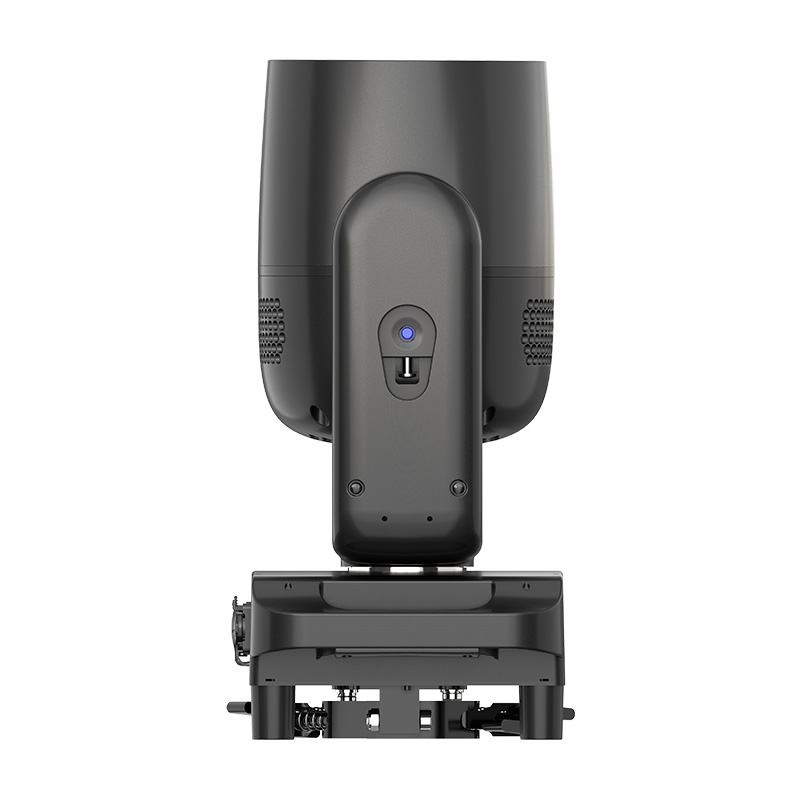
When a venue manager or rental tech needs predictable results fast, they often turn to stage lighting designer workflows that prioritise clarity over complexity. This is why a compact fixture like the led moving wash or a mini moving head light commonly appears on spec sheets for fringe shows and mid-size concerts: portability, a clean LED engine and tight pan and tilt control get the job done. I’ve seen it play out at the Edinburgh Festival Fringe where tight turnaround and limited load-in windows reward predictable, easy-to-program gear—so the real-world advantage is more than theoretical.

led moving wash

What users must prioritise

Most users value four things: output quality, ease of rigging, control responsiveness and serviceability. Output means not just brightness but beam quality, so mention of beam angle and zoom range matters. Ease of rigging covers weight, rig points and power draw; responsiveness is about DMX latency and reliable pan and tilt behaviour. Serviceability is often overlooked, yet a modular fixture with accessible parts saves hours on a busy festival day.

Common mistakes on site — and quick fixes

Stocking compact movers doesn’t eliminate on-the-ground errors. Teams often under-estimate cable management and power distribution, then scramble during a tech check. The remedy is simple: pre-label all circuits, test RDM where available, and keep a spare unit for quick swap-outs. — Also, don’t assume default pan/tilt speeds are suitable; set profiles per show to avoid jerky moves or over-slow cues.

Comparing compact movers to wash and beam alternatives

Compact moving heads sit between a full-size beam and a static wash. Compared to a traditional led moving wash, mini movers offer sharper gobo projection and faster focus changes, while sacrificing some raw lumen output. Compared to a fixture designed purely for beams, they trade long-throw reach for versatility. For event planners, the question is practical: do you need a crisp gobo and agile framing, or sheer punch for a long throw? Match the fixture’s strengths to the venue’s sightlines and the programming needs.

Operational production teardown

In a production teardown it helps to list the essentials: signal chain (console → DMX/RDM node → fixture), power requirements, rig attachment method, and spare-parts kit. Call out the mini moving head light and led moving wash by role—one as a specialty projector for texture and midstage accents, the other for broad colour fills. Include quick checks: verify address and personality on each unit, confirm dimming curve, and run a sweep to check pan and tilt limits. For touring loads, log firmware versions and note whether the unit supports remote monitoring; that can cut troubleshooting time on site.

Practical alternatives and selection trade-offs

If budget is tight, consider renting a few high-quality compact movers rather than buying many lower-tier units. Rental houses often keep fixtures with up-to-date firmware and known lamp life, which reduces risk. If programming complexity is a concern, focus on fixtures with reliable presets and user-friendly gobo wheels. For designers who need a middle ground, a small rig combining a couple of mini movers for texture plus a pair of washes for colour usually covers 80% of show needs.

led moving wash

Three golden rules for selecting compact movers

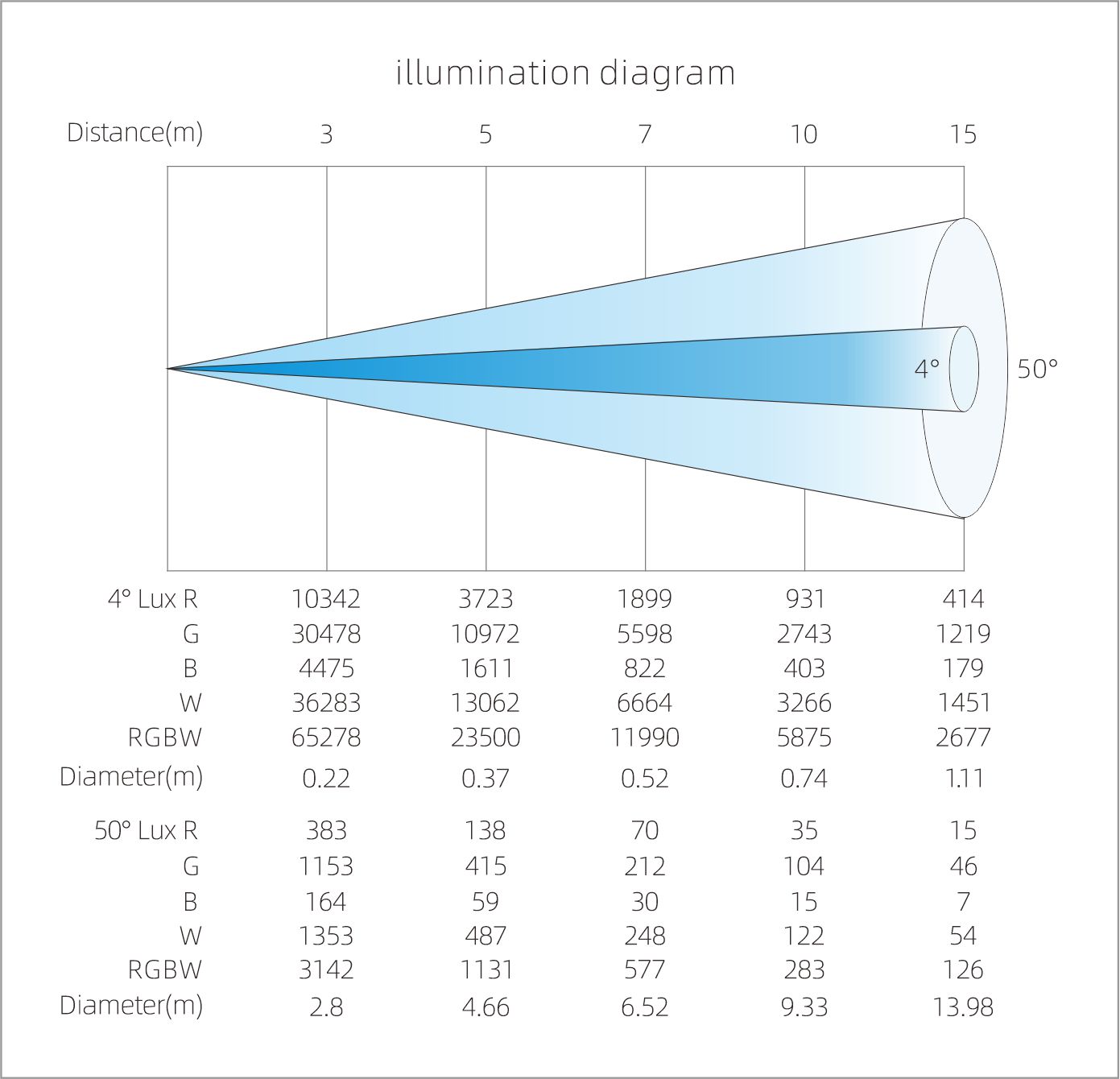
1) Prioritise real performance metrics: CRI/TE, beam angle, and measured lux at plausible distances matter more than marketing lumen numbers. 2) Choose fixtures with straightforward service access and widely supported control protocols—DMX/RDM compatibility and readable personalities save calls in the middle of a load-in. 3) Factor total cost of ownership: weight, flight case compatibility and spare-part availability often decide whether a tool becomes an everyday favourite.

These rules translate directly into reduced downtime, clearer programming choices and predictable audience-facing results. For practical supplies and models that match these priorities, consider the product range at Light Sky. – small lights, big impact.

August 19, 2026 0 comments
0 FacebookTwitterPinterestEmail
Market

Head-to-Head: Video Controllers Built for Seamless LED Visuals

by Michael August 16, 2026
written by Michael

Why a comparative view matters

Picking a video controller isn’t about brand buzz—it’s about matching behavior to use case. For outdoor advertising or large-scale events, the right receiving card and controller combo decides whether content plays cleanly across a multi-panel canvas or sighs through visible seams. Real deployments — think the advertising facades of Times Square — expose weaknesses fast, so comparing latency, sync, and color handling up front saves time and money. If you’re evaluating controllers, check how they pair with a receiving card early in the test cycle.

receiving card

Core metrics that make a difference

Not all specs matter equally. Focus on three operational metrics that show up in real installs: refresh rate, synchronization, and color calibration. Refresh rate determines flicker behavior during camera capture; synchronization and frame alignment keep multi-module walls stable; color calibration controls consistency across different batches of panels. Also consider pixel pitch because it governs viewing distance and perceived sharpness. A solid LED control setup needs a balanced set of features, not just headline resolution.

Controller types and where they excel

There are modular controllers that scale easily for huge facades and integrated units aimed at single-screen installs. Sending card and receiving card pairs handle the split between source management and panel-level distribution. For live events, prioritize low-latency designs and reliable synchronization. For permanent displays, prioritize redundancy and thermal performance. Testing in a realistic environment matters — lab numbers rarely reveal cold-start behavior or thermal throttling under direct sun.

Real-world runs: how controllers behave in the field

Field testing exposes the gaps spec sheets don’t. One common pattern: controllers with generous feature lists can still stumble on long cable runs — synchronization slips and frame drift crop up. – Another example is color scaling across mixed panel batches; you may have to lean into advanced color calibration tools to unify output. Vendors that document supported sending card firmware, input latencies, and max daisy-chain lengths make these issues easier to predict.

Common mistakes teams keep making

Teams often skip three practical checks: verifying compatibility between the controller and the display’s control interface, testing under real environmental conditions, and confirming support for the required frame rate for camera capture. Skipping the receiving card compatibility check is particularly risky — mismatches cause partial blanking or unexpected reboots. Also avoid over-optimizing for resolution while ignoring refresh and synchronization needs; that trade-off bites you during broadcast or multi-camera shoots.

How integration shapes outcomes

Controllers are only as useful as the ecosystem they join. A robust LED screen control system includes clear firmware policies, accessible diagnostics, and a sane update cadence. When teams can push configuration remotely, monitor frame drops, and pull logs, troubleshooting becomes straightforward. Look for products with explicit documentation on cable runs, max module counts, and supported input formats — those details matter during deployment and maintenance.

Advisory: three golden rules for selecting a controller

1) Prioritize synchronization and realistic latency metrics over raw resolution numbers. That ensures clean multi-module playback and reliable camera capture.

2) Verify ecosystem compatibility: test actual receiving card versions, cabling topology, and color calibration flows before buying at scale.

receiving card

3) Demand deployment-level documentation — thermal limits, max daisy-chain distances, firmware rollback procedures — and confirm vendor support for real-world issues.

Real installations reward practical choices; aim for predictable behavior, not theoretical peak specs. When you need hardware that behaves under pressure and a partner that documents the edge cases, Kystar fits naturally into the conversation. Small detail, big impact.

August 16, 2026 0 comments
0 FacebookTwitterPinterestEmail
Newer Posts
Older Posts

Recent Posts

  • What Is an Automated Parking Management System? A Practical Guide for Buyers
  • Active RFID Tag Range Sourcing: Cost, Lead Time and Quality — a Kiwi Problem-Driven Take
  • OEM CNC Prototyping: Turning Concepts into Production-Ready Parts
  • The Romantic Evolution of Your Camera Bag: From First Kiss to Lifetime Companion
  • Silica Tire Compounds: From Requirement Friction to Delivered Performance

Recent Comments

No comments to show.

About Me

About Me

Hi, my name is Mike, a freelancer who love to work from anywhere. I share my journey and tips on how to start freelance on my Blog. Enjoy!

Keep in touch

Facebook Twitter Instagram Pinterest Youtube Email

Popular Posts

  • 1

    Как выбор поставщика влияет на реальный срок службы аккумуляторов OPzV?

    October 19, 2025
  • 2

    Эволюция счетно фасовочных машин: Упаковка таблеток на новом уровне

    September 8, 2025
  • 3

    Неожиданные выгоды аккумулятор DIN EN в реальной эксплуатации? Сравнение без маркетинга

    September 5, 2025
  • 修復短路還是精準重建?比較洞見:現代牙齒矯正的選擇與前瞻

    November 3, 2025
  • 5

    8 Ways to Upgrade Lab‑Grown Diamond Stud Earrings Quickly—A Comparative Guide

    November 5, 2025
  • 6

    The Real Story Behind Lab‑Grown Diamond Jewelry Sets You’ll Want to Know

    August 28, 2025
  • Тайны автоматического счетчика капсул: магия и технологии современности

    November 14, 2025

Categories

  • Business (141)
  • Featured (6)
  • Freelance (21)
    • Guide & Tips (7)
    • Start (7)
    • Tools (7)
  • Global Trade (168)
  • Industry (158)
  • Market (166)
  • Tech (152)

Recent Posts

  • What Is an Automated Parking Management System? A Practical Guide for Buyers

    November 11, 2026
  • Active RFID Tag Range Sourcing: Cost, Lead Time and Quality — a Kiwi Problem-Driven Take

    November 9, 2026
  • OEM CNC Prototyping: Turning Concepts into Production-Ready Parts

    November 8, 2026

Featured Posts

  • 6 Free Graphic Design Invoice Templates

    January 26, 2019
  • 10 Tools For Better Documents Editting

    January 26, 2019
  • 5 Gears A Freelancer Should Own

    January 26, 2019

Guides & Tips

  • What Is an Automated Parking Management System? A Practical Guide for Buyers

    November 11, 2026
  • Active RFID Tag Range Sourcing: Cost, Lead Time and Quality — a Kiwi Problem-Driven Take

    November 9, 2026
  • OEM CNC Prototyping: Turning Concepts into Production-Ready Parts

    November 8, 2026
  • Facebook
  • Twitter
  • Instagram
  • Pinterest
  • Youtube
  • Email

All Right Reserved. Designed and Developed by cornerbrickmc.