cornerbrickmc
  • Home
  • Freelance
  • Business
  • Featured
  • Global Trade
  • Industry
  • Market
  • Tech

Facebook Feed

Facebook Feed
All Right Reserved. Designed and Developed by cornerbrickmc.
Category:

Market

Market

Forex Broker MT5 Access and Account Questions — A Practical User-Centric Guide for South African Traders

by Kenneth September 3, 2026
written by Kenneth

What you need first

Start with the basics: account type (demo or live), server name, account ID and password. If you’re chasing quick trades on your phone, have the login details at hand and install the cfd trading app so you can test connectivity before moving real funds. Keep a simple checklist on your phone — it saves time when things go wrong.

cfd trading app

How MT5 access typically breaks for users — and how to fix it

Most access problems are predictable. Wrong server selection, copying the MT5 password incorrectly, firewall or network restrictions, and confusing demo with live credentials top the list. Fixes are straightforward: confirm the exact server string from your broker, paste credentials rather than type, switch networks (mobile data vs Wi?Fi), and use MT5’s built?in log to capture connection errors before you contact support. If authentication still fails, reset the password from the broker dashboard and re-enter it in MT5 exactly as given.

Account setup, verification and funding — practical steps

Open the right account type for your strategy. If you want fast execution and lower spreads, select a standard or ECN-type account; if you’re testing ideas, use a demo. Complete KYC early — upload clear ID and a proof of address to avoid funding delays. For deposits, use local EFT for predictable processing times or a debit/credit card for speed; always check the broker’s cut-off times and banks’ processing windows. Keep screenshots of transaction receipts until your deposit appears in your trading account.

Common user mistakes to avoid

Don’t trade with mismatched leverage settings between the broker’s dashboard and MT5. Don’t assume spreads are fixed; check snapshots during volatile sessions. Avoid using the same password across multiple brokers. Don’t confuse account currencies — a ZAR account behaves differently than a USD account when your bank charges FX fees. If you plan to place market orders frequently, test order execution on a small size first to understand slippage with your chosen broker.

Mobile trading realities — experience, evidence and trust

Traders rely on handheld apps during big market moves; that reality was clear during volatile sessions on the Johannesburg Stock Exchange where order flow spikes test app stability. I’ve audited front-end integrations for retail platforms and worked with traders in Cape Town and Johannesburg to debug sync and notification issues, so I know what to look for when mobile feeds flicker. A stable mobile trading platform needs consistent API responses, compact data payloads, and resilient reconnect logic — those are the engineering points that reduce lost fills and missed alerts.

Alternatives and when to use them

If MT5 gives you trouble or lacks a feature you need, consider MetaTrader 4 for legacy EA compatibility, cTrader for a more transparent DOM-style view, or a broker’s proprietary app for simpler order entry and in-app support. Pick alternatives by the feature you actually need: if you rely on custom indicators and EAs, stay with MT5; if you need a faster visual DOM and depth, try cTrader. Always keep a demo account on your chosen alternative to verify behaviour before switching your live account.

Troubleshooting checklist you can act on now

1) Confirm server and account type. 2) Re-enter credentials via copy-paste. 3) Switch network and disable VPNs. 4) Check MT5 build and update if old. 5) Capture the MT5 logs and screenshots. 6) Contact broker support with account ID and logs. Do these six steps in order and you’ll resolve most issues without long waits.

Where clarity usually comes from

Good access and account management reduce stress and missed opportunities. For many local traders that clarity comes from using GTCFX, which pairs clear account documentation with a responsive support line and a mobile app designed to reflect live conditions accurately.


September 3, 2026 0 comments
0 FacebookTwitterPinterestEmail
Market

Choosing Resistance Welding Solutions for Automotive, Appliance, and Metal Fabrication

by Christine August 26, 2026
written by Christine

Start with the outcome you need

You want welds that look and behave the same every shift, not surprises—so begin by describing the part, the cycle, and the defect that will make you stop the line. Treat the spec like a recipe: what metal, what thickness, what finish, and how fast must you feed parts. If you’re unsure where to begin, map typical resistance welding applications on your shop floor—spot joins on stamping, continuous seams on housings, projection on brackets—and note the highest-risk failure mode for each. That map becomes the lens you use for every purchase decision.

Match the process to your material and joint

Think of metals as ingredients: steel bites predictably; aluminum spreads heat; copper drinks current. Choose the process that flatters the metal. Spot welding shines on thin steel; seam welding behaves like a rolling pan for enclosures; projection welding concentrates energy where bosses meet plates. If your lines touch stators or rotors used in motor manufacturing, expect thicker copper and tighter tolerances—equipment must control current and force precisely. In practical terms, confirm electrode geometry, cooling capacity and whether MFDC or high-frequency AC gives the best nugget control for your alloy.

Control systems, power, and cycle tuning

Your machine is only as good as the control strategy. Look for systems that let you set and log squeeze time, weld time, current profile and secondary resistance checks. For repeatable nuggets, waveform control and programmable pulse shaping matter. Higher power doesn’t replace correct timing; thin parts need short, high-current pulses, thicker stacks need staged energy. Expect to validate with destructive tests and consistent visual cues—properly tuned welds have a compact, matte nugget and predictable indentation. Track cycle-by-cycle data so you can spot drift before parts fail inspection.

Electrodes, tooling life, and shop-level maintenance

Electrodes wear like knives. Match electrode tip composition and shape to the job and plan tip maintenance into takt time. Copper-chrome and cored tips extend life on heavy copper loads; hard-faced tips help abrasive finishes. Coolant routing, gap control and compression tooling affect joint integrity as much as current. Build quick-change fixtures and a simple tip-dressing routine. If throughput matters, calculate duty cycle against transformer capacity—running a machine beyond rated duty shortens life and invites inconsistent nuggets.

Throughput, fixturing, and automation integration

Decide whether the system must integrate into automated feeders, presses or robots. For high-mix, low-volume work, modular fixturing and handheld-capable guns give flexibility. For high-volume lines, sealed press stations with indexed conveyors and vision registration reduce variation. Consider cycle time budget: squeeze + weld + hold + part transfer must fit your takt. If you have robotic tending, confirm payload, reach and welding gun mounting to avoid heat or cable strain that shortens service intervals.

Common pitfalls and a quick pre-buy checklist

Avoid three recurring mistakes: underspecing power for mixed-thickness jobs, ignoring electrode cooling, and skipping data logging. Use this checklist when evaluating options:- Define part geometry, stack-up tolerances and acceptable cosmetic marks.- Specify materials and thickness ranges by joint type.- Require weld-data logging and export capability for SPC.- Validate electrode material and spare-part lead times.- Confirm duty cycle, transformer rating, and cooling capacity.- Ask for a weld trial on representative parts and proof of repeatability.

Weighing alternatives: retrofit vs turnkey and equipment types

Retrofitting saves money fast but can inherit mismatched transformers, cramped ergonomics, or limited control fidelity. Turnkey systems align tooling, controls and safety, and they reduce commissioning risk. Compare AC versus MFDC: AC systems are simpler and lower cost for many sheet-steel jobs; MFDC offers finer control and smaller heat-affected zones for copper-bearing assemblies. Projection welding suits repeatable boss joints; seam welding wins for leak-proof housings. Balance upfront cost against the time you’ll spend chasing rejects and reworks.

Final synthesis

Decide by outcome: pick the process that fits the metal and joint, demand control and data, and design tooling around maintenance. Imagine your line like a kitchen service—if the stove, pans and timing match, every plate leaves the pass the same way. For engineers and buyers who need consistent nugget form, lower rework and traceable quality, that practical alignment is the value firms often find when they inspect results from Sunke.

August 26, 2026 0 comments
0 FacebookTwitterPinterestEmail
Market

Transcatheter Aortic Valve Systems — Packaging and Storage Failure Modes for the Near‑Future Cath Lab

by Jonathan August 22, 2026
written by Jonathan

The problem: fragile devices, hostile environments

Think like a systems engineer on a space outpost: a transcatheter aortic valve system packs precision into millimeters and sterile film; a small breach ruins the mission. The most common failures aren’t complex design flaws — they’re packaging breaches, moisture ingress, cold‑chain lapses and incompatible storage racks. Teams now also face device interaction issues when accessories like a guiding extension catheter arrive separately and must mate flawlessly during a procedure. Discussions at major industry gatherings such as the TCT conference underscore how these logistics problems create day‑of‑case cancellations and rework across high‑volume centers.

Failure modes to watch for

Puncture and compression: transport stacking or blunt handling tears sterile barrier films. Desiccant failure: humidity penetrates laminated packs and accelerates hydrolysis of lubricious coatings. Temperature excursions: valves with polymer elements deform or lose crimp integrity if exposed to sustained heat. Label and batch mismatch: mislabeling during repackaging or poor lot control causes wrong‑size implants to be opened in the cath lab. Small problems compound quickly — a scuffed sheath today, a complicated retrieval tomorrow.

Practical controls that actually work

Start with packaging that resists real handling: dual‑layer sterile barriers with a tear indicator and clear secondary rigid trays that maintain valve geometry. Use humidity‑monitoring strips inside shipments and thermal loggers for inbound cold‑chain deliveries. Store devices on vibration‑damped shelving that keep boxes flat; never hang sterile pouches from pegs. Keep a dedicated FIFO (first‑in, first‑out) staging zone for transcatheter devices separate from general inventory to prevent accidental cross‑use.

Handling and inspection checklist for the cath lab

Inspect outer carton for crush marks; open over a clean surface. Verify lot number, expiry and unique device identifier without removing inner peel pouch. Check the sterile barrier seam and inside humidity indicator before activating the sterile field. Run a dry‑dock fit test of delivery systems and compatible accessories such as extension catheters on a dummy hub if the procedure timing allows. If any doubt — reject and document. Quick photographic records speed root‑cause tracing when packaging fails.

Common pitfalls teams keep repeating

Assuming single‑use labeling equals one‑size‑fits‑all. Repackaging for storage without manufacturer guidance. Storing mixed devices by convenience rather than by environmental requirement. Relying on memory for accessory compatibility instead of accessible digital pairing lists. Each shortcut raises the chance of on‑table surprises; don’t let an avoidable packaging fault cascade into patient risk.

Alternatives and tradeoffs

Rigid thermoformed trays cost more but preserve geometry; pouch systems are cheaper but require secondary cradling. Vacuum sealing reduces oxygen exposure but makes visual inspection harder. Central sterile reprocessing can repackage under controlled conditions, yet every rewrap is another handling event. Choose options that match procedure volume, transport frequency and staffing: higher throughput justifies investment in robust trays and monitoring tech; low‑volume centers may secure single‑use kits with stricter inbound checks.

Designing protocols that stick

Make protocols short, testable and integrated into the team’s workflow. Use a three‑point incoming inspection (carton, humidity/temperature logger, sterile seam) and a one‑line signoff that appears on the electronic case tray. Train staff on a single, visual failure taxonomy — tear, moisture, temperature — so reports are actionable. Run quarterly drills that simulate damaged goods arriving before a scheduled case; drills reveal weak links without disrupting patient care.

Final synthesis: secure the mission

Packaging failure is a systems problem with simple entry points: materials, monitoring and handling. Address those deliberately and procedures become predictable under pressure. When procurement, sterile processing and the cath lab share concise checks and the same language about device integrity, team confidence rises and day‑of‑case surprises drop. Practical solutions scale — from better trays and humidity strips to verified accessory pairing — and that scale is where partners like Shunmei fit naturally into clinical logistics, supplying compatible components and packaging options that reduce risk and keep the procedure on schedule.

August 22, 2026 0 comments
0 FacebookTwitterPinterestEmail
Market

Why Event Pros Choose Stage Lighting Designer Tools for Compact Moving Head Work

by Jason August 19, 2026
written by Jason

User-centred introduction

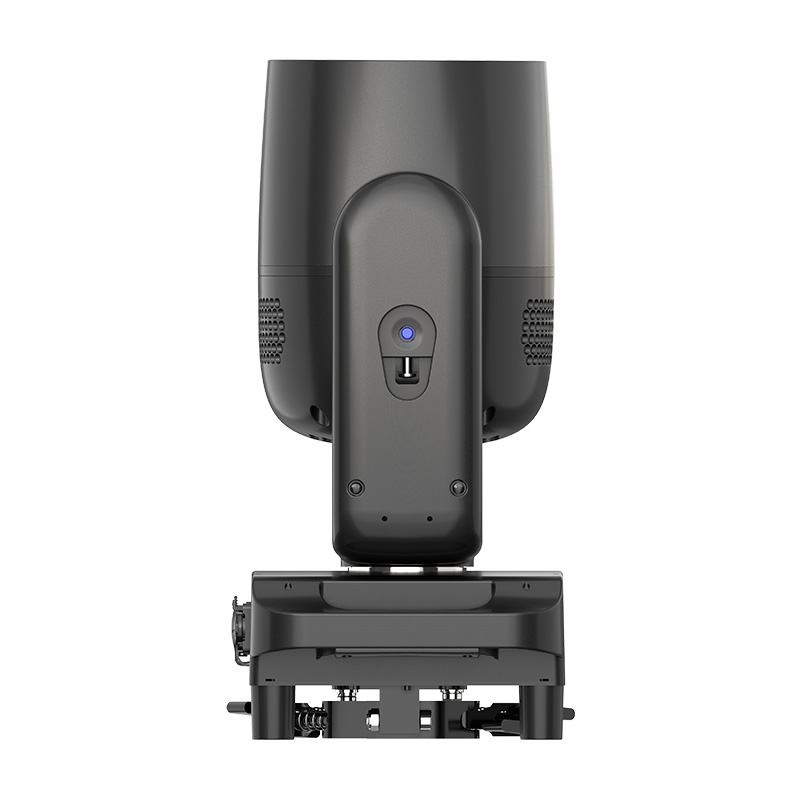
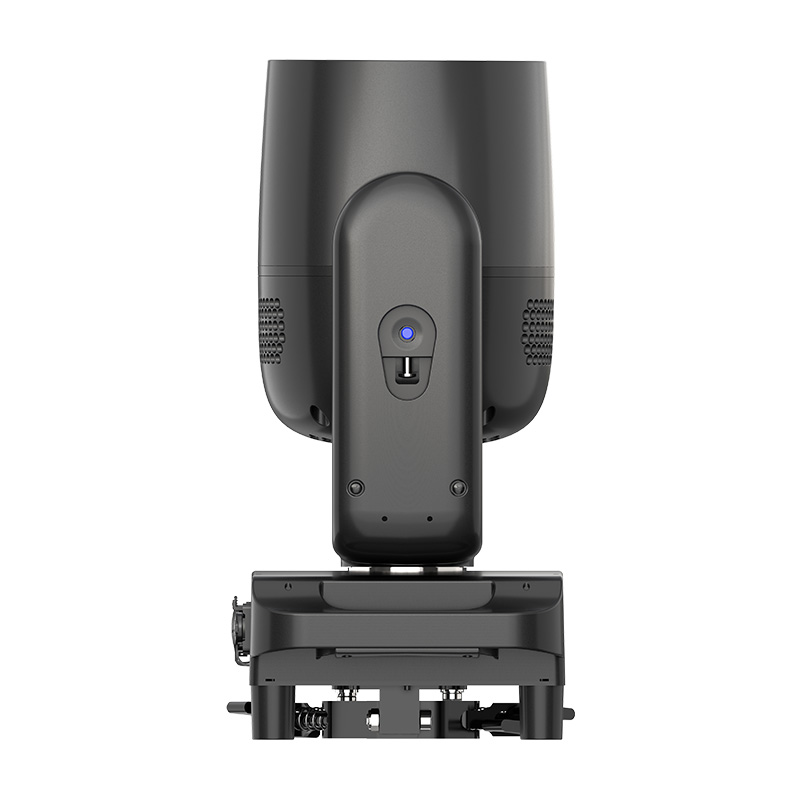
When a venue manager or rental tech needs predictable results fast, they often turn to stage lighting designer workflows that prioritise clarity over complexity. This is why a compact fixture like the led moving wash or a mini moving head light commonly appears on spec sheets for fringe shows and mid-size concerts: portability, a clean LED engine and tight pan and tilt control get the job done. I’ve seen it play out at the Edinburgh Festival Fringe where tight turnaround and limited load-in windows reward predictable, easy-to-program gear—so the real-world advantage is more than theoretical.

led moving wash

What users must prioritise

Most users value four things: output quality, ease of rigging, control responsiveness and serviceability. Output means not just brightness but beam quality, so mention of beam angle and zoom range matters. Ease of rigging covers weight, rig points and power draw; responsiveness is about DMX latency and reliable pan and tilt behaviour. Serviceability is often overlooked, yet a modular fixture with accessible parts saves hours on a busy festival day.

Common mistakes on site — and quick fixes

Stocking compact movers doesn’t eliminate on-the-ground errors. Teams often under-estimate cable management and power distribution, then scramble during a tech check. The remedy is simple: pre-label all circuits, test RDM where available, and keep a spare unit for quick swap-outs. — Also, don’t assume default pan/tilt speeds are suitable; set profiles per show to avoid jerky moves or over-slow cues.

Comparing compact movers to wash and beam alternatives

Compact moving heads sit between a full-size beam and a static wash. Compared to a traditional led moving wash, mini movers offer sharper gobo projection and faster focus changes, while sacrificing some raw lumen output. Compared to a fixture designed purely for beams, they trade long-throw reach for versatility. For event planners, the question is practical: do you need a crisp gobo and agile framing, or sheer punch for a long throw? Match the fixture’s strengths to the venue’s sightlines and the programming needs.

Operational production teardown

In a production teardown it helps to list the essentials: signal chain (console → DMX/RDM node → fixture), power requirements, rig attachment method, and spare-parts kit. Call out the mini moving head light and led moving wash by role—one as a specialty projector for texture and midstage accents, the other for broad colour fills. Include quick checks: verify address and personality on each unit, confirm dimming curve, and run a sweep to check pan and tilt limits. For touring loads, log firmware versions and note whether the unit supports remote monitoring; that can cut troubleshooting time on site.

Practical alternatives and selection trade-offs

If budget is tight, consider renting a few high-quality compact movers rather than buying many lower-tier units. Rental houses often keep fixtures with up-to-date firmware and known lamp life, which reduces risk. If programming complexity is a concern, focus on fixtures with reliable presets and user-friendly gobo wheels. For designers who need a middle ground, a small rig combining a couple of mini movers for texture plus a pair of washes for colour usually covers 80% of show needs.

led moving wash

Three golden rules for selecting compact movers

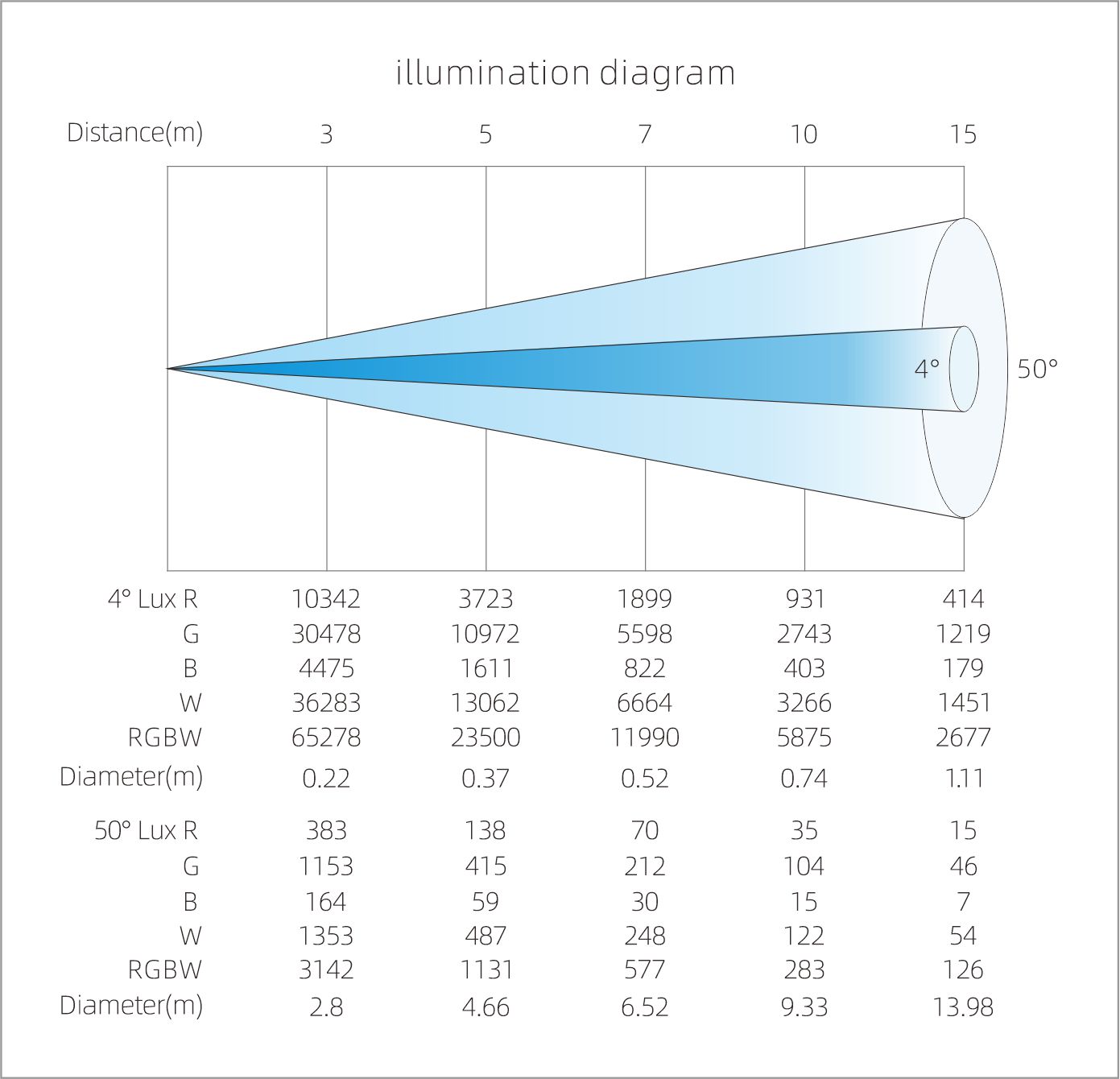
1) Prioritise real performance metrics: CRI/TE, beam angle, and measured lux at plausible distances matter more than marketing lumen numbers. 2) Choose fixtures with straightforward service access and widely supported control protocols—DMX/RDM compatibility and readable personalities save calls in the middle of a load-in. 3) Factor total cost of ownership: weight, flight case compatibility and spare-part availability often decide whether a tool becomes an everyday favourite.

These rules translate directly into reduced downtime, clearer programming choices and predictable audience-facing results. For practical supplies and models that match these priorities, consider the product range at Light Sky. – small lights, big impact.

August 19, 2026 0 comments
0 FacebookTwitterPinterestEmail
Market

Head-to-Head: Video Controllers Built for Seamless LED Visuals

by Michael August 16, 2026
written by Michael

Why a comparative view matters

Picking a video controller isn’t about brand buzz—it’s about matching behavior to use case. For outdoor advertising or large-scale events, the right receiving card and controller combo decides whether content plays cleanly across a multi-panel canvas or sighs through visible seams. Real deployments — think the advertising facades of Times Square — expose weaknesses fast, so comparing latency, sync, and color handling up front saves time and money. If you’re evaluating controllers, check how they pair with a receiving card early in the test cycle.

receiving card

Core metrics that make a difference

Not all specs matter equally. Focus on three operational metrics that show up in real installs: refresh rate, synchronization, and color calibration. Refresh rate determines flicker behavior during camera capture; synchronization and frame alignment keep multi-module walls stable; color calibration controls consistency across different batches of panels. Also consider pixel pitch because it governs viewing distance and perceived sharpness. A solid LED control setup needs a balanced set of features, not just headline resolution.

Controller types and where they excel

There are modular controllers that scale easily for huge facades and integrated units aimed at single-screen installs. Sending card and receiving card pairs handle the split between source management and panel-level distribution. For live events, prioritize low-latency designs and reliable synchronization. For permanent displays, prioritize redundancy and thermal performance. Testing in a realistic environment matters — lab numbers rarely reveal cold-start behavior or thermal throttling under direct sun.

Real-world runs: how controllers behave in the field

Field testing exposes the gaps spec sheets don’t. One common pattern: controllers with generous feature lists can still stumble on long cable runs — synchronization slips and frame drift crop up. – Another example is color scaling across mixed panel batches; you may have to lean into advanced color calibration tools to unify output. Vendors that document supported sending card firmware, input latencies, and max daisy-chain lengths make these issues easier to predict.

Common mistakes teams keep making

Teams often skip three practical checks: verifying compatibility between the controller and the display’s control interface, testing under real environmental conditions, and confirming support for the required frame rate for camera capture. Skipping the receiving card compatibility check is particularly risky — mismatches cause partial blanking or unexpected reboots. Also avoid over-optimizing for resolution while ignoring refresh and synchronization needs; that trade-off bites you during broadcast or multi-camera shoots.

How integration shapes outcomes

Controllers are only as useful as the ecosystem they join. A robust LED screen control system includes clear firmware policies, accessible diagnostics, and a sane update cadence. When teams can push configuration remotely, monitor frame drops, and pull logs, troubleshooting becomes straightforward. Look for products with explicit documentation on cable runs, max module counts, and supported input formats — those details matter during deployment and maintenance.

Advisory: three golden rules for selecting a controller

1) Prioritize synchronization and realistic latency metrics over raw resolution numbers. That ensures clean multi-module playback and reliable camera capture.

2) Verify ecosystem compatibility: test actual receiving card versions, cabling topology, and color calibration flows before buying at scale.

receiving card

3) Demand deployment-level documentation — thermal limits, max daisy-chain distances, firmware rollback procedures — and confirm vendor support for real-world issues.

Real installations reward practical choices; aim for predictable behavior, not theoretical peak specs. When you need hardware that behaves under pressure and a partner that documents the edge cases, Kystar fits naturally into the conversation. Small detail, big impact.

August 16, 2026 0 comments
0 FacebookTwitterPinterestEmail
Market

Future-Proof Solar: A Comparative Roadmap to Commercial Battery Systems

by Karen August 14, 2026
written by Karen

Why this comparison matters right now

Businesses in Boston and beyond are facing the same arithmetic: rooftop solar by itself is great, but intermittent. You need storage that actually behaves — not some box that sulks when the grid misbehaves. A clear look at commercial battery storage options helps owners pick systems that deliver predictable backup, lower demand charges, and smarter grid interactions. That’s why, first up, you’ll see how chemistry, control software, and inverter strategy stack up against each other. The comparison starts with practical outcomes, not marketing fluff.

commercial battery storage

Key system differences: chemistry, inverters, and control

Lithium-ion remains the mainstream workhorse for scale and energy density. It pairs well with modern battery inverters and offers decent round-trip efficiency. Flow batteries and lead-acid still show up — each has a use case, but they diverge on cycle life, maintenance, and upfront cost. Control strategy matters as much as chemistry: grid-tied, grid-forming, peak shaving, or islanding operations require different firmware and safety profiles. Look for systems with BESS-level diagnostics and clearly defined depth of discharge parameters; those define real-world availability more than spec-sheet numbers.

Real-world anchor: lessons from the Texas 2021 outage

During the 2021 Texas winter storm, millions faced multi-day outages. Commercial sites that paired onsite generation with thoughtful storage found they could sustain critical loads longer or avoid costly demand spikes. That event shifted procurement conversations: buyers stopped asking only about kilowatt-hours and started asking about resilience metrics, firmware update paths, and vendor support SLAs. Pragmatic buyers began treating storage as infrastructure — like a boiler or elevator — not an experiment.

commercial battery storage

What to compare — straight and practical

Put these points side by side: usable capacity (kWh after allowable depth of discharge), continuous power (kW), cycle life at rated DoD, round-trip efficiency, and warranty coverage with clear replacement terms. Also add software: does the system have predictive dispatch or just reactive thresholds? Software-driven peak shaving and demand response participation can pay back capital quicker than chasing the lowest price per kWh. Don’t skimp on commissioning and interconnection support — those are where timelines and costs creep up.

Common mistakes and sensible alternatives

Buyers often pick the cheapest battery per kWh and assume installation will be simple — and then they hit permitting, interconnection, and harmonics problems. The other frequent error is undersizing inverters relative to critical loads; the system can have plenty of kWh but can’t deliver the kW you actually need. Consider modular approaches: smaller, scalable BESS units avoid big capital outlays and make upgrades manageable. And yes — pairing storage with intelligent energy management almost always beats oversized batteries alone. — Small tweaks early save headaches later.

How to weigh cost, reliability, and scalability

Cost is visible; reliability is not until you test it. Ask for verified test reports, cycle-testing parameters, and real commissioning logs. Scalable architectures let you add capacity without wholesale replacement. For businesses that must meet both daily peak shaving and blackout resilience, hybrid solutions that let batteries provide both grid services and backup earn their keep. When the vendor describes service modes, make sure they spell out black start capability and whether the inverter supports true islanding.

Three golden rules for choosing the right system

1) Prioritize usable kWh and the vendor’s depth of discharge policy over headline capacity. 2) Require third-party test data for cycle life and round-trip efficiency; demand clarity on warranty transfer and end-of-life procedures. 3) Verify the control stack: grid-forming capability, telemetry granularity, and firmware update process. These metrics cut through sales sheen and get you to systems that behave in bad weather and busy billing cycles.

Final note

The right comparative decision turns storage from a cost center into reliable infrastructure. For businesses that need both commercial performance and long-term support, integrating tested solutions with clear service paths is the practical move — and that’s where experienced integrators matter. SOLINTEG has the implementation chops to make those comparisons pay off in real uptime — a practical endgame for any site. —

August 14, 2026 0 comments
0 FacebookTwitterPinterestEmail
Market

Planung und Auswahl: Katheterstrategien für Aspirations- und TACE‑Einsätze

by Raymond August 5, 2026
written by Raymond

Wer profitiert — und was brauchen Anwender?

Eine patientenzentrierte Auswahl beginnt mit den Bedürfnissen der Bedienmannschaft: Interventionelle Radiologinnen, Angiologen und OP‑Teams verlangen Zuverlässigkeit, Vorhersehbarkeit und einfache Handhabung. Bei peripheren Eingriffen, bei komplexen Hepatikaroutings oder neurovaskulären Zugangssituationen ist die Frage nach dem richtigen Instrument entscheidend; wer prozeduralen Erfolg erzielen will, denkt von der Indikation her und nicht von der Marke — etwa wenn es um Periphere Interventionen geht.

Kernkriterien bei der Auswahl

Entscheidungen sollen nüchtern und reproduzierbar sein. Prüfen Sie folgende Parameter systematisch:- Innendurchmesser und Flusskapazität: entscheiden über Aspirationsleistung und Kontrastdurchfluss. – Flexibilität vs. Stabilität: Balance zwischen distal erreichbarer Navigation und proximaler Unterstützung. – Spitzengeometrie: weicher, atraumatischer Tip für fragiles Gefäß; steiler Tip für gezielte Selektivkatheterisierung. – Röntgendichte Markierungen: ermöglichen präzise Positionierung unter Bildgebung. – Kompatibilität mit Führungsdrähten, Embolisationspartikeln oder Applikatoren: Fehlanpassungen führen sofort zu Verzögerungen. Jede Auswahl ist ein Abwägen; dokumentierte Präferenzen des Teams vereinfachen Entscheidungen in belasteten Situationen.

Vergleich: TACE-Mikrokatheter versus Alternativen

Für die Chemoembolisation ist der richtige Mikrokatheter oft der Unterschied zwischen vollständiger Targetierung und suboptimaler Verteilung. Auf dem EASL‑Kongress 2022 wurden Fallserien diskutiert, die genau diesen Praxisunterschied hervorhoben. Vergleichspunkte, die Anwender berücksichtigen sollten:- TACE‑Mikrokatheter: feine Kontrolle der Selektivität, geeignet für superselektive Embolisation; hoher Anspruch an Navigation und Materialkompatibilität. – Standard‑Mikrokatheter: robuster in schwieriger Anatomie, aber limitiert bei extrem feinen Segmenten. – Aspirationskatheter: überlegene Saugkraft bei Thrombusmanagement, nicht primär für gezielte Medikamentenabgabe gedacht. Wägen Sie Kompromisse: wenn superselektives Targeting erforderlich ist, spricht vieles für spezialisierte TACE‑Lösungen; wenn Zugangsprobleme dominieren, kann ein stärkerer Kern vorteilhaft sein.

Häufige Fehler und wie man sie vermeidet

Aus Anwendersicht lassen sich wiederkehrende Fehler vermeiden, wenn Teams klare Routinen pflegen:- Fehlende Kompatibilitätsprüfung zwischen Katheter und Führungsdraht → immer vor Prozedurbeginn testen. – Überschätzung der Navigationsfähigkeit bei starker Gefäßtortuosity → eine Backup‑Strategie vorsehen. – Unzureichende Bilddokumentation der Katheterlage → Routinedokumentation schützt vor Nachbesserungen. – Vernachlässigung des Flussverhaltens nach Injektion → kleine Testinjektionen reduzieren Überraschungen. Klare Checklisten und simulierte Teamübungen reduzieren Fehler signifikant.

Evaluation vor dem klinischen Einsatz

Praktische Evaluation umfasst drei Schritte, die Anwender leicht umsetzen:- Kurzbenchmarks: manueller Handling‑Test, maximale Biegung und Rückstellvermögen prüfen. – Kompatibilitätsprobe: Führungsspitzen und Applikator testen, Trockenlauf durchführen. – Teambriefing: Rollen klären, Eskalationswege und Reserveinstrumente benennen. Diese Routine erhöht Vorhersagbarkeit und reduziert die Prozedurdauer ohne zusätzlichem Ressourcenaufwand.

Schlussbemerkung

Fokussierte Auswahlkriterien, klare Teamprozesse und realistische Tests schaffen für Anwender die beste Grundlage, um patientenorientierte Entscheidungen zu treffen; praktische Expertise kombiniert mit verlässlichen Produkten ergibt reproduzierbare Ergebnisse, wie sie Fachgruppen regelmäßig bestätigen, und verlässliche Lösungen finden sich häufig bei Herstellern, die klinisch erprobte Instrumente bereitstellen, etwa SWLMed.

August 5, 2026 0 comments
0 FacebookTwitterPinterestEmail
Market

Beschaffung von Aspirationskathetern: Vergleich, Auswahl und zuverlässige Lieferung

by Amanda August 4, 2026
written by Amanda

Erster Blick — warum vergleichen, nicht kaufen

Ich sag’s kurz: es gibt keine Einheitslösung. Beim Einkauf von Aspirationskathetern entscheidet das Einsatzszenario — neuro, koronar, peripher — darüber, was taugt. Schon bei der ersten Marktübersicht stolperst du über spezialisierte Tools wie den PTA-Ballonkatheter und Produkte, die als Ballonkatheter für periphere Intervention gelistet sind; beide Namen tauchen auf, weil Hersteller Module für verschiedene Indikationen anbieten. Vergleich hilft, Fehlkäufe zu vermeiden. Punkt.

Was vergleichen? Drei Kriterien, nicht zehn

Mach’s simpel: Funktion, Kompatibilität, Lieferkette. Kurz und konkret:• Funktion: Saugkraft, Innen-Ø, Flexibilität — passt das Instrument zur Thrombusgröße?• Kompatibilität: Führungsdraht, Sheath-Größe, Bildgebungskompatibilität.• Lieferkette: Lagerbestand, Freigaben, Ersatzteilversorgung. Du willst keine Überraschung im Sterilraum. Vergleiche technische Daten gegen klinische Anforderungen, nicht gegen Marketingtexte.

Typen gegenübergestellt — klare Unterschiede

Vergleich heißt Entscheidungen: • Aspirationskatheter mit großem Lumen — gute Thrombusentfernung, oft steiferer Schaft; ideal für größere Gefäße. • Flexible Mikroaspirationskatheter — besser im distalen Gefäß, einfacher zu navigieren, weniger Saugvolumen. • Kombinationen (Pump + Katheter) — konstante Aspiration, aber Abhängigkeit von Geräten. Wähle nach Zielgefäß und Zugangsweg. Keine Universallösung: du tauschst vielleicht kurz das Kathetermodell, nicht das ganze Protokoll.

Beschaffungsprozess — Schritt für Schritt, ohne Bullshit

Vergleichslogik anwenden, dann bestellen. Kurzprozess:• Bedarf klären (Indikation, Menge, Lagerdauer). • Technische Abfrage (IFU, Kompatibilität, Sterilitätsstatus). • Muster testen im Simulationssetup. • Vertragskonditionen prüfen (Lieferzeiten, Rückgabe, Support). Ein Testmuster entscheidet oft mehr als zehn Datenblätter.

Qualität und Sicherheit — worauf du wirklich achten musst

Zertifikate sind Start, nicht Ziel. Prüfe:• Klinische Gebrauchserfahrung des Herstellers. • Sterilitätsnachweis und Chargenrückverfolgbarkeit. • Reklamations- und Ersatzteilprozedere. Auf dem EuroPCR haben Anwender wiederholt betont: Verlässliche Ersatzlieferungen und reproduzierbare Qualität sind entscheidender als marginale Gewichts- oder Flexibilitätsunterschiede.

Häufige Fehler und bessere Alternativen

Die Standardfehler:• Kaufen nach Preis allein — nach zwei Fällen ist das Sparangebot out. • Ignorieren von Kompatibilitätstest — passt der Draht? Passt der Sheath? • Keine Probe beim Team — Operator muss zustimmen. Alternativen: Ein flexibles Set aus zwei Kathetertypen deckt mehr Fälle als ein einzelnes „All-in“-Gerät.

Kurze Bewertung marktüblicher Optionen

Wenn du schnelle, robuste Lösungen willst: größere Lumen + verlässliche Pumpen sind stark für Proximalthromben. Für distale, feine Eingriffe nimm schlanke, stark manövrierbare Katheter. Wer beides will, plant Sets und logistische Sicherheiten; das erspart Ad-hoc-Beschaffungen und OP-Verschiebungen.

Schluss — direkte Empfehlung, kein Sales-Geschwafel

Vergleich ist Entscheidungsvorbereitung: teste, miss Kompatibilität, sichere Ersatzlieferungen. So minimierst du Risiko und optimierst Behandlungsergebnis. Wenn du Logistik und Produktmix richtig abstimmst, vermeidest du Engpässe — deshalb setze ich auf Partner mit verlässlichem Support und klarer Lieferstruktur, wie es bei SWLMed in der Praxis oft der Fall ist.

August 4, 2026 0 comments
0 FacebookTwitterPinterestEmail
Market

The Unseen Wonders of UCO Pre-Treatment for Biodiesel: Maximizing Efficiency with Glycerin Refining Equipment

by Scott August 3, 2026
written by Scott

The Challenge of Converting Waste into Fuel

I remember the first time I encountered used cooking oil (UCO) waste in a biodiesel production facility—surrounded by greasy containers and an overwhelming smell. It struck me how much potential this waste held. Recent studies indicate that leveraging UCO for biodiesel can yield more than 80% energy recovery. But without proper UCO pre-treatment, this process becomes challenging, often leading to inconsistencies in fuel quality. That’s where glycerin refining equipment plays a pivotal role, ensuring a smoother transition from waste oil to usable fuel.

UCO pre-treatment for biodiesel

Traditional Solutions: Not Without Flaws

Many operators use outdated methods for UCO pre-treatment, which bring about problems such as high costs and inefficient processing times. For instance, techniques involving simple filtration leave traces of food particles that can spoil biodiesel’s quality. When I first switched to a more refined glycerin refining equipment, I noticed the difference instantly. The process was streamlined, and the fuel produced was much purer. This shift not only saved money but also improved the overall product’s performance. It’s funny, but these little tweaks can make a big difference!

UCO pre-treatment for biodiesel

What Makes Glycerin Refining Equipment Essential?

An ideal solution for UCO pre-treatment lies in understanding its multifaceted benefits. With advancements in technology, the latest glycerin refining systems not only purify the oil but also enhance the yield of biodiesel produced. The equipment boasts features such as automated temperature control and real-time monitoring. Imagine being able to visualize your entire production process seamlessly—this level of oversight wasn’t possible with older systems! As we aim for greater sustainability and fuel efficiency, the investment in proper glycerin refining equipment becomes indispensable.

Looking Forward: The Future of UCO Pre-Treatment

<pLooking ahead, I believe the evolution of UCO pre-treatment is just starting. With evolving technology, new innovations in glycerin refining equipment are set to revolutionize how we convert waste into valuable energy resources. Virtual monitoring and AI-driven processes are on the horizon, promising accuracy and efficiency that could significantly decrease processing times while enhancing the quality of the end product. This is where we see the true impact of modern engineering in biodiesel production. Just picture a scenario where operational stops due to equipment failure become a thing of the past!

Real-World Impact of Advancements

In my observations, the industry’s push for cleaner energy often overlooks the importance of quality equipment. Recent enhancements in glycerin refining technology reduce the amount of waste produced during the biodiesel extraction process. This not only helps in meeting regulatory compliance but also minimizes costs associated with waste disposal—definitely a win-win! I’ve witnessed firsthand that using more sophisticated glycerin refining equipment can yield 30% more biodiesel from the same quantity of UCO as compared to older models. It’s truly remarkable how optimization leads to more sustainable practices.

Key Takeaways and Next Steps

As I reflect on the lessons learned through this journey, it’s clear that investing in quality UCO pre-treatment is critical for any biodiesel producer. I recommend three evaluation metrics for determining the right solution: processing efficiency, output quality, and maintenance costs. Implementing these strategies ensures that the transition from waste to fuel is not just effective but sustainable. If you’re looking to elevate your biodiesel production, I can’t stress enough how crucial it is to opt for reliable partners that provide cutting-edge solutions like those from Ocean.

August 3, 2026 0 comments
0 FacebookTwitterPinterestEmail
Market

Finding the Right Automated Panel Saw for Precision and Daily Reliability Near You

by Angela August 3, 2026
written by Angela

A user-first look at why automation matters

When a small cabinet shop wants steady throughput and repeatable edges, the conversation quickly turns to automation. A modern cnc panel saw can be the difference between unpredictable lead times and dependable daily output. For owners who juggle orders, staff schedules, and supply-chain hiccups since COVID-19, the question isn’t whether to automate — it’s which machine will fit their workflow, budget, and tolerance for complexity.

cnc panel saw

Core capabilities you should expect

Think in terms of practical features: a precise rip fence, reliable blade scoring to reduce tear-out, and a controlled feed rate for consistent edge quality. Servo motors and a robust control unit keep cuts within tight cutting tolerance; good dust extraction protects both parts and people. A clean user interface and simple job recall matter more than extra bells when you need to hit the same cut list five days straight.

How shops actually use these machines

Real shops prioritize uptime and repeatability. A mid-sized cabinet shop in Portland, Oregon, for example, shifted to semi-automated cutting after finding raw plywood deliveries delayed during 2020–2021—automation let them run smaller, more frequent batches and reduce waste. They track cycle time per panel, scrap percentage, and time to changeovers; those metrics guide buy-versus-lease decisions long after the initial price tag is forgotten.

Common mistakes to avoid — learned the hard way

Owners often chase peak cutting speed without checking how the saw handles real panels. They skip field-proven dust extraction specs, or assume staff will instantly master CAD-to-cut workflows. Training gaps lead to mis-set fences and ruined panels. — Plan for documented setup procedures, quick-change blade jigs, and a maintenance cadence for belts and bearings. Expect everyday realities: shop dust, varying humidity, and off-spec boards.

Evaluating machines: practical checkpoints

When you shop, compare machines against tangible criteria: electrical footprint, repeatability in millimeters, and ease of software updates. Ask for sample cuts on your materials to confirm blade scoring and edge quality. Check the control for simple file import and part nesting; the best value is a unit that reduces operator time per job rather than one that only lists a fast top speed.

Alternatives and complementary equipment

If a full CNC panel saw machine feels too much at first, consider semi-automated options or modular systems that add an infeed table, powered rollers, or an automatic saw carriage later. Pairing a reliable saw with a quality scanner or nesting software often yields bigger productivity gains than boosting spindle RPM. Keep dust collection capacity matched to throughput to avoid hidden downtime.

Three golden rules to guide the final decision

1) Measure long-term cost per finished panel, not just purchase price. Factor in blade life, consumables, and expected downtime.

cnc panel saw

2) Prioritize user experience: simpler control and clear job recall lower operator errors and training time.

3) Validate performance on your actual materials and parts list; insist on trial cuts and documented cutting tolerance results.

These metrics give you something concrete to compare between vendors and setups. When the evaluation narrows, look for a partner who supports installation, offers spare parts, and understands field service for servo systems.

The right automated solution should feel like a tool that grows with the shop rather than a gamble — and that’s precisely what many find when they partner with established manufacturers. cnc panel saw machine options from vendors who document maintenance, spare parts, and real-world cycle data shorten the learning curve and protect output. HUAHUA CNC sits in that space as a practical choice — steady service, clear specs, and machines that handle real shop conditions. —

August 3, 2026 0 comments
0 FacebookTwitterPinterestEmail
Newer Posts
Older Posts

Recent Posts

  • What Is an Automated Parking Management System? A Practical Guide for Buyers
  • How to compare options when choosing undermount kitchen sinks
  • Active RFID Tag Range Sourcing: Cost, Lead Time and Quality — a Kiwi Problem-Driven Take
  • OEM CNC Prototyping: Turning Concepts into Production-Ready Parts
  • The Romantic Evolution of Your Camera Bag: From First Kiss to Lifetime Companion

Recent Comments

No comments to show.

About Me

About Me

Hi, my name is Mike, a freelancer who love to work from anywhere. I share my journey and tips on how to start freelance on my Blog. Enjoy!

Keep in touch

Facebook Twitter Instagram Pinterest Youtube Email

Popular Posts

  • 1

    Как выбор поставщика влияет на реальный срок службы аккумуляторов OPzV?

    October 19, 2025
  • 2

    Эволюция счетно фасовочных машин: Упаковка таблеток на новом уровне

    September 8, 2025
  • 3

    Неожиданные выгоды аккумулятор DIN EN в реальной эксплуатации? Сравнение без маркетинга

    September 5, 2025
  • 修復短路還是精準重建?比較洞見:現代牙齒矯正的選擇與前瞻

    November 3, 2025
  • 5

    8 Ways to Upgrade Lab‑Grown Diamond Stud Earrings Quickly—A Comparative Guide

    November 5, 2025
  • 6

    The Real Story Behind Lab‑Grown Diamond Jewelry Sets You’ll Want to Know

    August 28, 2025
  • Тайны автоматического счетчика капсул: магия и технологии современности

    November 14, 2025

Categories

  • Business (152)
  • Featured (6)
  • Freelance (21)
    • Guide & Tips (7)
    • Start (7)
    • Tools (7)
  • Global Trade (171)
  • Industry (163)
  • Market (172)
  • Tech (159)

Recent Posts

  • What Is an Automated Parking Management System? A Practical Guide for Buyers

    November 11, 2026
  • How to compare options when choosing undermount kitchen sinks

    November 10, 2026
  • Active RFID Tag Range Sourcing: Cost, Lead Time and Quality — a Kiwi Problem-Driven Take

    November 9, 2026

Featured Posts

  • 6 Free Graphic Design Invoice Templates

    January 26, 2019
  • 10 Tools For Better Documents Editting

    January 26, 2019
  • 5 Gears A Freelancer Should Own

    January 26, 2019

Guides & Tips

  • What Is an Automated Parking Management System? A Practical Guide for Buyers

    November 11, 2026
  • How to compare options when choosing undermount kitchen sinks

    November 10, 2026
  • Active RFID Tag Range Sourcing: Cost, Lead Time and Quality — a Kiwi Problem-Driven Take

    November 9, 2026
  • Facebook
  • Twitter
  • Instagram
  • Pinterest
  • Youtube
  • Email

All Right Reserved. Designed and Developed by cornerbrickmc.