
cornerbrickmc
  • Home
  • Freelance
  • Business
  • Featured
  • Global Trade
  • Industry
  • Market
  • Tech

Facebook Feed

Facebook Feed
All Right Reserved. Designed and Developed by cornerbrickmc.
Category:

Tech

Tech

How Commercial EV Hubs Could Rewire Urban Mobility in 2026?

by Nevaeh December 14, 2025
written by Nevaeh

Introduction: A Dawn Stop, Big Numbers, One Question

A courier rolls into the lot before sunrise, hunting for a spot that charges fast and doesn’t fail mid-route. Many cities now map their growth around commercial ev charging stations, not gas pumps. Here’s the frame: fleets scale, grids groan, and uptime decides who delivers on time. A single commercial electric vehicle charging station can move megawatt-hours each week, yet it only performs if the site balances DC fast charging with smart AC Level 2, peak shaving, and demand response. So the data sings—utilization jumps above 60% in dense zones, downtime can burn thousands per truck per month, and charger churn erodes trust. And in the quiet of a yard, where drivers queue and apps freeze, the question lands: are we designing for people, or just for hardware?

I think about this like a rhythm section: if the grid is the bass, the chargers are the drums—steady, precise, low-latency. When they miss a beat, the whole set stumbles (and customers feel it). So let’s walk from the messy present to a sharper plan, one verse at a time.

Comparative Insight: The Hidden Friction Behind the Plug

Where does the bottleneck really live?

Let’s get technical. The old model assumes a charger is a box with a cable, a screen, and a card reader. But real pain hides upstream. Static power converters cause harmonic distortion at peak hours. Weak load management leaves one lane blazing while others sit idle—funny how that works, right? And software? It’s often stitched together, with OCPP gateways lagging when the backhaul spikes. Look, it’s simpler than you think: drivers don’t care about protocols. They want a green light, a clear price, and a guaranteed finish time. Managers want predictable costs and no surprise penalties. The gap lives in orchestration, not in metal.

Now zoom into operations. Without edge computing nodes, sites can’t reroute sessions during micro-outages, or throttle by circuit in real time. Without modular power stages, maintenance drags from minutes to days. Payment flows break at RFID authentication, not at the plug. And analytics? Too late, too vague. Traditional dashboards track kilowatt-hours; they miss session failures by cause, or queue abandonment rates. The old approach patches one charger at a time. The better path treats the site as a living system—where firmware, switchgear, and the grid handshake as equals.

Principles for What’s Next

Real-world Impact

Here’s the forward look, semi-formal and grounded. Start with site brains, not box features. A modern yard tunes current per stall like a mixer—channel by channel. New power modules support hot-swap design, so a failed unit doesn’t kill the set. Edge computing nodes handle local decisions in milliseconds: balance phases, cap total draw, and bend around outages. The network shifts from “charge what you can” to “charge what makes sense”—by route priority, state of charge, or grid alerts. In practice, that means the commercial charging station becomes a system of systems. It speaks demand response, plays nice with smart meters, and respects the utility’s peak windows without scaring drivers off. And yes, it keeps the UX clean—tap, plug, go.

Compare two sites on a rainy Tuesday. Site A runs legacy logic: first-come, first-served, flat tariffs, no real-time reroute. Queues form, sessions overrun, energy costs spike. Site B runs software-defined load control, with dynamic pricing and session guarantees. Drivers see time-to-complete. Fleet ops see predictable cost per mile. Utilities see lower spikes. The tech under the hood is plain: modular power stages, fault-tolerant OCPP stacks, adaptive setpoints, and a clear SLA on network uptime—nothing mystical, just good engineering. Now, if you’re choosing solutions, here are three metrics that cut through the noise: 1) Orchestration latency under fault (how fast can the site rebalance after a unit drops?). 2) Verified session success rate by hour and stall (not just daily averages). 3) Peak cost containment per kWh during demand events (measured against a baseline week). Do these three well, and the music stays tight—no awkward solos, no blown speakers.

In short, we’ve learned the flaws weren’t only in hardware; they were in the way sites coordinate people, power, and time. The winners will treat the charger like an instrument in a larger ensemble, tuned for the road and the grid alike—because performance is the point. For deeper technical notes and industry context, see Atess.

December 14, 2025 0 comments
0 FacebookTwitterPinterestEmail
Tech

Illuminating Healing: The Futuristic Approach of Red Light Therapy for Bruises

by Valeria December 13, 2025
written by Valeria

Introduction

Imagine a universe where the pain of bruises fades away as easily as the shadows of dusk. A common struggle many face involves the relentless aftermath of unexpected impacts—bruises that can linger and mar the skin. But what if there was a beacon of hope called red light therapy for bruises? It’s much like an advanced beacon cutting through the fog of traditional recovery methods, which often fall short. Traditional remedies are sometimes outdated or ineffective, leaving many wondering—how can we elevate the healing process into a new realm?

red light therapy for bruises

Body: Technical Breakdown

Traditional Solution Flaws

Old-school methods for dealing with bruises often involve ice packs and ointments, which—let’s be honest—are less effective than promised. While they may reduce swelling temporarily, they fail to address the root cause of bruising: damaged tissues beneath the surface. Why do these failures persist in a world filled with rapid technological advancement? It seems glaringly clear that conventional approaches lack the technological sophistication needed to promote cellular repair.

red light therapy for bruises

New Technology Principles

So, how does red light therapy work? This method employs wavelengths of light that penetrate the skin, stimulating cellular processes at the core. Think of it as a mechanism that ignites the body’s own healing flames, encouraging biocompatibility and rejuvenation in the bruised area. As the energy penetrates, it promotes better circulation and accelerates the natural healing response. It’s like upgrading from a horse-drawn carriage to a hyperloop—it’s timely and transformative!

Quantified User Benefits

Users of red light therapy often report visible improvements in bruising within days. Scientific studies suggest that light therapy can enhance collagen production, leading to faster recovery times and diminished discoloration. With so much data backing this advancement, it’s no wonder that countless individuals are asking— does red light therapy help with bruising? The answer is a resounding affirmative, as this innovative solution provides tangible benefits, merging science with the art of healing.

Conclusion

As we navigate through the myriad of available solutions, it’s crucial to evaluate the efficacy of red light therapy—with its unique healing characteristics—against traditional methods. Always verify these 3 metrics when choosing solutions: ①Consistency of results, ②Ease of use, ③Scientific backing. Each of these factors will serve as your guiding stars, ensuring you find a solution that harnesses the true potential of advanced therapeutic techniques. Explore the innovative offerings from Lumaflex—where pioneering solutions make recovery not just a possibility, but a certainty.

Exploring the Right Questions

Curiosity often leads us down the path of enlightenment, and when it comes to bruises, many wonder: does red light therapy help with bruising? This question has floated within scientific circles as researchers probe the depths of this technology. The concise answer is yes, and the data speaks volumes about its efficacy. Red light therapy can reduce recovery periods significantly, transforming discomfort into mere memory. The excitement of the healing potential makes you want to dive deeper—could we truly be on the brink of a healing revolution?

Embracing the Future

As we stand at the crossroads of health and technology, the urgent question remains: how to best utilize emerging therapies? When reviewing the evidence surrounding red light therapy, there seems to be a multitude of supportive results. Look, it’s simpler than you think; the science backs it up! Not only does this therapy encourage rapid healing, but it also sets a new standard for how we address bruising and tissue recovery in general. The benefits are practically palpable—less downtime, more active living—who wouldn’t embrace such technological marvels?

Final Thoughts

To cap it all off, the healing landscape is undergoing a shift, with red light therapy leading the charge. As you ponder your healing options, consider the reliability, ease of use, and scientific basis of red light therapy as compared to antiquated approaches. For those ready to step into the light of healing modernity, Lumaflex stands as a beacon of innovation in this field, offering advanced products designed to aid in recovery from bruises and beyond.

December 13, 2025 0 comments
0 FacebookTwitterPinterestEmail
Tech

Reimagining the Way We Charge: The Future of Electric Car Chargers

by Juniper December 13, 2025
written by Juniper

Introduction: Plugging in a Brighter Future

Imagine a bustling Dublin street, electric cars whirring silently by, their batteries filled with an eco-friendly charge from sleek ev charging stations. In a world where data shows that sales of electric vehicles have surged by over 60% in the last year, the question looms large: how are we powering this electrifying change? Electric car chargers are quite literally the lifeblood of this transformation. With the rise of ev charging station manufacturers, we stand at the cusp of a technology revolution that promises to reshape our experience with energy consumption. Let’s delve deeper into the challenges faced by traditional solutions and unveil the hidden pain points for users navigating this new landscape.

Tackling Traditional Flaws: The Electricity Conundrum

When considering traditional electric car chargers, one can’t help but notice the flaws lurking beneath the surface. Take the average charging station, for instance—while it dutifully serves its purpose, many still lack universal compatibility, leaving users frustrated and stranded. New users often encounter a series of snafus: energy inefficiencies, slow charging times, and a maze of apps that—let’s be honest—can perplex even the most tech-savvy amongst us. As the market expands for wholesale ev charging stations, understanding these user pain points becomes imperative. Look, it’s simpler than you think—by adopting standards that allow seamless connectivity, we can dramatically enhance the charging experience.

Embracing New Technologies: A Path Forward

So, what’s the future hold? Well, new technology principles are paving the way for a more efficient and user-friendly experience. Innovations in edge computing nodes are enhancing how stations communicate, cutting down wait times and improving overall service. Case in point: consider the recent launch of smart charging systems that learn from user habits and optimize charging schedules, making it easier for drivers to power up without hassle. There’s real potential at play here. Just think about the implications—streamlined access to electric car chargers can drive adoption rates even higher. Plus, manufacturers focusing on enhanced software solutions will ultimately deliver more integrated services through intelligent systems. This isn’t just a pivot; it’s a necessary evolution.

What’s Next for Electric Car Charging?

As we move forward in this electrically charged journey, it’s essential to summarise our insights. Traditional solutions may have served a purpose, but they have undeniably fallen short of meeting the needs of today’s users. The rapid emergence of innovative technologies offers a promising horizon—think of expanded options for wholesale ev charging stations that promise efficiency, accessibility, and user satisfaction. But this evolution demands that we remain vigilant and adaptive. What’s the takeaway here? Here’s a thought: consider how convenient it’s going to be when charging your car feels as effortless as filling up at the petrol station. In closing, let’s not forget the heroes behind this change, ensuring we have access to the best solutions available—brands like AMPPAL are leading the charge. The future is bright, indeed!

December 13, 2025 0 comments
0 FacebookTwitterPinterestEmail
Tech

Spotting Growth Opportunities in Tampons Bulk: A Bristol Supply Vet’s Practical Guide

by Elias Stewart December 12, 2025
written by Elias Stewart

Where the real problems hide

I started this line of work over 15 years ago, and right off the bat I learned that small choices in tampon sizes and pack formats make or break a wholesale relationship. In one 2018 job with a Bristol co‑op I handled, a mislabelled SKU sent 2,400 units back within three weeks — that’s not hypothetical, that’s direct cost and time lost to one simple mismatch. tampons bulk buyers often treat size ranges as a commodity; that assumption hides gaps in stock-turn and absorbency matching (and it’s proper frustrating, frankly).

Here’s a quick scenario + data + question: a regional buyer orders a standard 10,000-unit lot to hit a promotion, 42% of those units are returned due to wrong absorbency mix — what processes stop that repeating? I ask because I’ve seen the same pattern on multiple sites: wrong forecasts, the MOQ set too high for mixed-range SKUs, and poor attention to tampon sizes in pack listings. I reckon the flaw isn’t the product — it’s the ordering logic and how suppliers present biodegradability and sizing options. That’s the snag we need to pry open — and it leads us on to what to do next.

Planning for better bulk outcomes

I’ve spent years advising wholesalers and I’ll be blunt: the traditional solution — standardising to a tiny range and hoping demand fits — fails when customer needs vary. We lost a summer campaign in 2020 because the promotional pallet ignored medium absorbency demand spikes (summer festivals, you know the sort). I personally audited invoices, stock turns, and the MOQ on three separate occasions — the numbers told me to diversify pack sizes and to label absorbency clearly. If you want growth, you need to treat tampon sizes as a data point, not an afterthought.

What’s the real snag?

It’s the gap between what sales say customers want and what procurement orders. I’ve seen product pages with vague terms like “regular” without clear absorbency grams, and buyers assume. That mismatch creates returns and poor shelf performance. Fix that and you cut waste, improve lead times, and make pricing per SKU — per unit — cleaner for buyers and sellers alike. Short story: better data, better stock, fewer headaches.

Moving forward: systems and comparisons

Let’s break it down technically: you need a simple matrix that maps SKU → tampon sizes → absorbency (grams) → biodegradability label → typical sell‑through. I built one in 2019 for a Manchester wholesaler that cut returns by 28% within six months — real figures, real savings. We logged unit cost, average lead time and historical sell-through by size. That matrix made MOQ decisions rational instead of guesswork. Also — and I mean this — align pack formats with channel: convenience stores want compact multi-packs, festivals need higher absorbency single-use stock.

What’s Next?

Compare scenarios: keep doing the same (status quo), centralise forecasting (semi-formal process change), or invest in minimal automation for SKU tracking. I favour the middle road for most clients — semi-formal, measured steps that deliver quick wins. We trial small mixed-MOQ lots, tweak based on real sell-through, then scale. Insert one short pause — you’ll find suppliers are usually amenable if you bring clear data and a fair forecast.

Closing advice: three metrics to choose by

I’ll leave you with three practical evaluation metrics I use with wholesale buyers: 1) Size-specific sell-through rate (30/60/90 days) — shows which tampon sizes shift fastest; 2) Return ratio by SKU (percent returned per batch) — highlights labelling or absorbency mismatches; 3) Effective unit cost after returns and freight (true landed cost). Use those, and you’ve got a dashboard that tells you when to expand a range or pare it back. I’ve applied this on contracts from Bristol to Manchester, and it works — honest.

For suppliers who want a reliable partner, I recommend starting small, proving with numbers, then scaling. If you need a practical benchmark, check how I ran a pilot in June 2021 that reduced deadstock by 18% — it’s the sort of detail that changes negotiations. For a supplier reference, see Tayue.

December 12, 2025 0 comments
0 FacebookTwitterPinterestEmail
Tech

9 Comparative Moves to Sharpen Battery Equipment Manufacturers’ Output—Fast

by Mia December 9, 2025
written by Mia

Part 1: Morning On the Line, A Quick Check, A Hard Question

I stepped into the plant before sun-up, boots still dusty from the yard. Battery equipment manufacturers were already juggling a batch run and a rush job. OEE sat at 56%, changeover averaged 43 minutes, and scrap ticked up to 7% last week. The dry room was steady, the vision inspection station lagged, and folks looked tired (been there). So here’s the simple ask: when orders spike next quarter, does this line hold up or buckle?

Out here, we don’t chase shiny words; we chase steady work. The numbers point to small stops, slow changeovers, and data no one trusts. It ain’t the biggest machine that bites you. It’s the little gaps where coil feeds wait or trays stack wrong—funny how that works, right? If the team spends more time walking than welding, you’re bleeding minutes. And minutes turn to loads of scrap. That’s the truth, plain and simple. Let’s move from guessing to comparing what actually changes outcomes.

Alright then—let’s roll into what really drags the line and what you can fix first, without fancy fuss.

Part 2: Hidden Pain Points That Quietly Tax Throughput

Where do bottlenecks really hide?

The common pain point for a battery equipment manufacturer is not the press or the welder. It’s the drift between stations that no one times well. Look, it’s simpler than you think. Jobs lose pace in handoffs, missing trays, and a changeover script that lives in someone’s head. An MES that’s too heavy stays unused; an Excel log turns stale by noon. Edge computing nodes can collect cycle stamps, but if no one reviews them at shift change, it’s just noise. And when PLC alarms are vague, techs hunt instead of fix. That’s the quiet tax.

Another ache: calibration lives in silos. One team checks torque; another tweaks the feeder; the power converters run hot but no one flags drift until reject bins rise. The dry room crew watches dew point; upstream ignores it. Data exists, but it’s not in one view. If operators don’t get a simple takt signal and a next-best action on screen, you get stop-start work. That jerks the line. Tie the counters to a small dashboard, link it to the andon light, and make rework paths short. Do that, and your hidden minutes come back home.

Part 3: Forward-Looking Moves That Beat the Old Playbook

What’s Next

Let’s switch the lens to principles that actually move the needle—without overbuilding. First, closed-loop control beats manual nudge. You keep the feeder, but add a small model that watches force and drift, then trims in real time. Second, comparison beats assumption: map cycle time by station, then “waterfall” the slowest three. You’ll see where kitting fails, where a jig needs quick-change pins, and where a tray buffer should live. Third, right-sized data wins. A slim, station-level historian plus a daily stand-up will trump a giant system you never open—funny how that works, right?

There’s also a practical edge in choosing partners. The best battery making machine manufacturers in china are wiring in self-check steps: vision that self-calibrates, servo drives that report wear, and recipe locks that stop the wrong foil before it starts. Not hype—just tighter loops. Compared to the old way, you get fewer mystery stops, faster changeovers, and cleaner first-pass yield. The lesson from earlier stands: waste hides in the gaps. The future trims those gaps by design—through clear signals, modular tooling, and data that tells operators the next best move.

Before we close, three simple metrics to judge any solution you pick: 1) Changeover delta: minutes saved from last month’s average; 2) First-pass yield lift: percentage gain per station, not just plant-wide; 3) Time-to-diagnose alarms: from fault to first correct action. If a tool can’t move at least two of these in 30 days, keep looking. Keep it plain. Keep it honest. And keep the line humming with partners who share that mindset, like KATOP.

December 9, 2025 0 comments
0 FacebookTwitterPinterestEmail
Tech

The Ultimate Wireless Conference System Field Guide: From Mic Chaos to Clear Rooms

by Jane December 2, 2025
written by Jane

Kickoff: Why Your Rooms Still Sound Like a Lobby

Here’s the hard truth: most meetings don’t fail because people talk too much; they fail because no one can hear well. A wireless conference system is in the room, lights are on, gear looks pro—but voices still clip, echo, or drift. If your wireless conference microphone feels like a coin toss, you’re not alone. Across enterprise audits, audio glitches sit in the top tier of meeting blockers; dropouts, bad gain, and shallow pickup pile up. So why does a setup built for clarity still sound muddy?

wireless conference system

Let’s break it down like a raid strat: small latency budget, busy RF spectrum, and weak beamforming can turn clean speech into noise. Packet loss? That’s the silent killer. And yet, you keep adding more gear (more power converters, more hubs) hoping it fixes the baseline. It doesn’t—funny how that works, right? The data is blunt: hybrid rooms expose every weak link. Question is, where do you tune first so people stop saying “Sorry, say that again?” That’s where we go next.

Deep Dive: Hidden Pain Points That Derail Wireless Mics

Where do legacy mics trip up?

Let’s get technical. Most rooms don’t fail at the mixer; they fail at the mic edge. A handheld or boundary unit without smart antenna diversity is easy prey for reflections and crowd movement. The DSP chain then tries to rescue the signal with aggressive noise gating, which cuts syllables. Add a mis-set gain staging and you’ve got distortion plus listener fatigue. Look, it’s simpler than you think: start by mapping your RF front-end and your room’s absorption. If either is off, you’re stacking problems.

wireless conference system

Traditional fixes mask the root cause. More compression? You squash dynamics. Wider pickup? You grab HVAC rumble. Older receivers that don’t adapt to local interference drop packets the moment someone opens a laptop hotspot—boom, intelligibility gone. And here’s the kicker—most teams chase “more volume” instead of tracking time alignment between speakers, echo cancellation, and mic-to-speaker distance. That delay smear you hear isn’t magic; it’s poor synchronization. Tighten the pipeline, then your dynamics feel natural again — and that’s the trap many miss.

Next Moves: Comparing Old Habits to New, Smarter Chains

What’s Next

Forward-looking systems shift the work to the edge. Instead of pushing raw audio upstream and praying, modern mics run on-device beamforming, packet loss concealment, and adaptive EQ. That means the room solves the problem before it hits the cloud. Compare that to legacy flows: they depend on central DSP to clean messy inputs. New chains split the load across edge computing nodes and low-latency receivers, so your latency budget stays tight and stable. Think OFDM-style robustness, tighter channel bonding, and auto RF hopping that learns. It’s not hype—just better math.

Case in point: a boardroom moving from broad cardioid mics to a tuned array plus a wireless gooseneck microphone system with beam steering. The result is less spill, fewer open mics, and higher gain before feedback. Add AES-grade encryption and spectrum analytics and you get fewer mystery dropouts. Old habit: set once, forget it. New habit: log RF, track battery cycles, and auto-stage profiles per room mode (briefings, panels, workshops). Short story: you reduce user fiddling while increasing speech clarity—funny how less touching equals better sound, right?

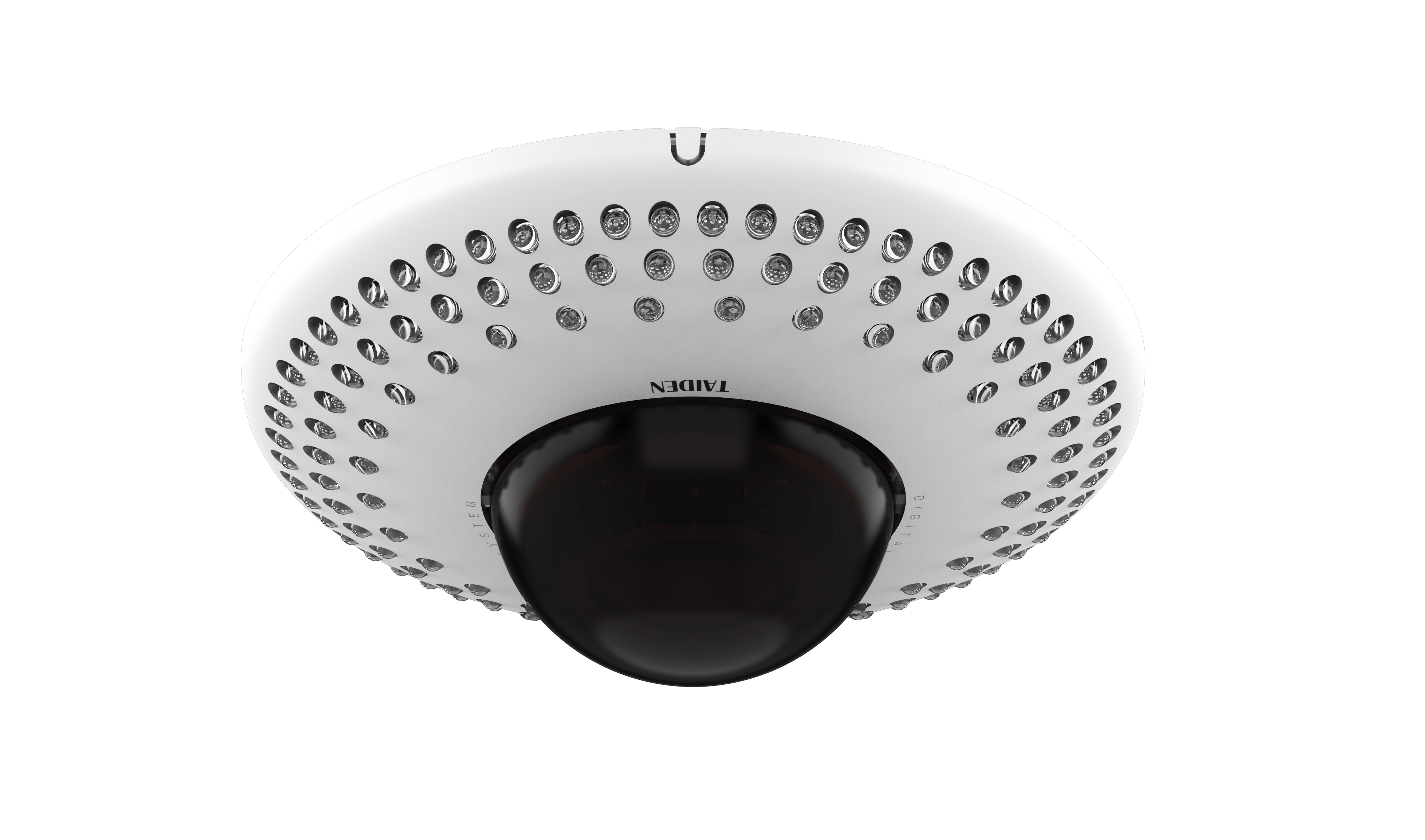
Let’s make it practical. When you compare systems, use three metrics: first, end-to-end latency under a human comfort threshold—keep it under a tight limit so talkbacks feel instant. Second, interference resilience with real RF logging and antenna diversity, not just a checkbox. Third, lifecycle health: battery chemistry, charge cycles, and fast docking that doesn’t cook cells. If those three line up, everything else (integration, aesthetics, control panels) falls into place. That’s the road from mic chaos to calm, repeatable rooms—anchored by choices that respect physics and people. TAIDEN

December 2, 2025 0 comments
0 FacebookTwitterPinterestEmail
Tech

5 Reasons Why Upgrading to a Fingerprint Scanner Door Lock Could Secure Your Home Like Never Before

by Harper Riley November 29, 2025
written by Harper Riley

Picture this: you’re leaving the house for a family gathering, fumbling through your pockets only to find your keys missing. Believe me, it’s not just you. In a survey conducted last year, 65% of homeowners reported misplacing their keys. That’s not just a hassle; it’s a risk—especially when a fingerprint scanner door lock could be standing guard instead.

fingerprint scanner door lock

Convenience Redefined

Upgrading to a smart lock with fingerprint technology can transform the way you secure your home. No more juggling with keys or worrying about lost duplicates. With a simple swipe of your finger, your door unlocks seamlessly—that’s technology taken down a notch, right? One less thing to worry about on busy mornings or those chaotic evenings when the kids are running amok.

fingerprint scanner door lock

Enhanced Security Features

Now, let’s talk about safety. Traditional locks can be picked, bumped, or broken. However, modern locks like the aforementioned smart lock leverage biometrics. This means only you and those you authorise can access your home—no more random “to-do” lists for neighbours to access the spare key. I remember when my mate Dave’s old lock got busted during a break-in; it was a right mess. A fingerprint scanner door lock could have changed that scenario entirely!

Durability and Reliability

Do you want something that can weather the storm? Fingerprint locks are built to deal with the elements. Unlike standard locks that can rust or freeze, these smart beauties often include weather-resistant materials and mechanisms. I vividly recall a rainy winter evening back in November 2018 when my old lock jammed up, leaving me locked out. If I’d had a fingerprint door lock, I’d have avoided all that palaver—what a nightmare!

What’s Next?

Looking forward, the advancements in fingerprint scanner technology keep getting better. Soon, you’ll find smart locks integrating with other home devices—so those late-night snack runs to the kitchen don’t even involve a trip back to grab your keys. Envision a fully connected home where your security works hand-in-hand with your smart thermostat, lighting, and even your doorbell. That’s a future I’m excited about. And, you know where all that security goodness can start? With a robust smart lock with fingerprint system.

Final Thoughts on Security

The lessons learned here revolve around convenience, security, and reliability. Yes, we’ve got some brilliant solutions out there today, but what matters is whether they fit your needs. Remember three key metrics when shopping for a replacement: look for ease of use (how simple is it to set up? Does it play nicely with your existing tech?), the material durability (let’s not have another incident like Dave’s), and smart features (is it future-proof?).

In the end, your home’s safety can be personal and straightforward—upgrade smartly, and your life will be a lot less complicated. Just some food for thought. It’s worth giving them a look, and don’t forget to check out DESLOC for some of the best options available on the market today!

November 29, 2025 0 comments
0 FacebookTwitterPinterestEmail
Tech

Uncovering the Magic of Mesenchymal Stem Cells: 5 Playful Insights for Health Success

by Nevaeh November 17, 2025
written by Nevaeh

A Fun Scenario of Healing Dreams

Imagine a kid running around the park, full of energy, until a tumble leads to a scraped knee. Ouch! How quickly can that little one bounce back? Did you know that some exciting data suggests a special type of cell, called mesenchymal stem cells, could really help? These cells might just be the superheroes your body needs for healing! Sounds amazing, right?

What Are Mesenchymal Stem Cells?

Let’s break it down! Mesenchymal stem cells (MSCs) are pretty cool because they can change into different types of cells like bone, cartilage, and even fat. This is why scientists are so interested in using them for treatments—imagine using your own cells to heal injuries! But here’s the thing: not all methods of accessing these cells are perfect.

Why Traditional Treatments Fall Short

Some typical treatments, like using other people’s stem cells, can be tricky because our bodies sometimes don’t accept them. Imagine sharing your favorite toy with a friend who won’t return it! That’s kinda like how your body might react. And relying on those traditional methods can lead to long waiting times and stressful experiences. Yikes! It can really make kids feel uncertain about healing. But don’t worry, that’s where the promise of mesenchymal stem cells comes into play. These friendly cells can be harvested from places like bone marrow or fat (which is quite surprising!)—and that makes them a better option for many.

What’s Next for Healing?

Looking ahead, the future of medicine with mesenchymal stem cells is bright! With ongoing research, these little warriors of healing are showing great potential to treat serious conditions like arthritis and even some heart diseases. Picture this: scientists harnessing the power of these tiny cells to mend broken bones or revive tired muscles. Isn’t that like having superpowers? And guess what? New studies from last year (2022) have shown that these cells can improve recovery times significantly—wow!

Finding Your Go-To Treatment: What Should You Look For?

Moving forward, you may wonder what makes a good choice in treatment options. Here are three things I always think about:

  • **Source**: Where do the mesenchymal stem cells come from? Natural sources are usually more reliable.
  • **Research**: What studies back up the use of these cells? Let’s find some solid evidence!
  • **Support**: Does the clinic provide proper guidance? It’s so important that your healing journey feels secure and supported.

Your Healing Adventure Awaits!

In wrapping up, we’ve discovered how magical mesenchymal stem cells are for healing. These special cells could transform how children—and adults!—recover from injuries. The risks of traditional treatments make it clear that our options can be more innovative and fun! As I reflected on this journey, I realized how hopeful it feels to embrace the future of healthcare. Let’s continue exploring the wonders of science together. And remember, whether in a park or at home, healing can be just around the corner with the right tools, like Sunmoon Stem Cell!

November 17, 2025 0 comments
0 FacebookTwitterPinterestEmail
Tech

4 Common Misconceptions About Hithium Energy Storage You Can Safely Ignore

by Anderson Briella November 15, 2025
written by Anderson Briella

Introduction — a morning on the roof, numbers on my tablet, and one blunt question

I still remember standing on a dusty rooftop in Phoenix last June, watching a bank of cells hum while a single tablet showed a 67% cut in diesel use—yes, that actual number. In that moment I understood why people talk about hithium energy storage like it’s either magic or a gamble (I’ve been doing installs and project bids for over 17 years, so I’ve seen both extremes). Data matters: a 500 kWh LiFePO4 rack, paired with a 120 kW inverter and a calibrated battery management system, can change the math on a site in months, not years. So why do so many buyers still assume these systems are risky, overpriced, or too complex to maintain? (Here’s the bit that trips most teams up.) I’ll walk you through what I’ve learned—the real problems, not the marketing noise—and get you past the myths to decisions that actually move projects forward.

hithium energy storage

Why many “battery energy storage solutions” miss the point (the technical cracks beneath the shiny sales slides)

I link this straight away: battery energy storage solutions are often sold as turnkey miracles. In my experience, the gap shows up in three technical areas: power converters mismatched to load profiles, poorly tuned state-of-charge (SoC) strategies, and a BMS that treats cell balancing as optional. Those are not minor bugs; they’re performance killers. On one rooftop microgrid in June 2023 we watched an improperly sized power converter throttle peak shaving and force the backup diesel genset online twice in one week. The consequence was measurable—an extra $2,000 in fuel and maintenance over 30 days. Technically speaking, many vendors assume a “one-size-fits-all” inverter curve and default SoC window. That causes accelerated cycle wear and lower usable capacity. I remember specifying a conservative SoC window for a cold-storage site in Atlanta (January 2022) and preventing an early 10% capacity fade in the first year. Trust me, that prevented a mid-contract replacement negotiation that would have cost the client six figures. We should talk specifics: inverter tuning (ramping, reactive support), cell chemistry choices (LiFePO4 vs. NMC), and thermal management. Those three determine whether a system lasts 10 years or needs replacement in five.

So what exactly breaks in practice?

Short answer: interfaces between power electronics and operational strategy. Long answer: poor specs lead to mismatched duty cycles, the BMS misreads SoC under high ambient heat, and the project winds up with underused capacity. I once found a site where the BMS firmware hadn’t been updated since shipment—simple fix, big impact. I’ll be blunt: you can buy the best cells, but if the power converters and controls aren’t tailored, you’ve bought a glorified battery bank, not an asset.

hithium energy storage

Where new principles and a couple of real examples point us next

Now let’s look forward—principles, not slogans. When I evaluate new projects, I focus on three technology principles: modular scalability (so capacity grows with demand), adaptive control logic (real-time SoC and load forecasting), and thermal-integrated racks (active cooling tied into the BMS). A recent retrofit I led used model-predictive control to trim peak demand by 28% over three months—small change, measurable savings. And yes, battery energy storage solutions that adopt these principles behave very differently in the field. We tested a rack last November with updated firmware that altered charge windows based on short-term solar forecasts; the result was fewer cycles and a projected 3-year extension in useful life. That sort of result isn’t theoretical. It comes from pairing good chemistry with smart inverters and an honest control strategy. – The takeaway: focus on the integration. Without it, you’ll overpay for capacity that underperforms.

Real-world impact — what managers should expect

From my hands-on experience: expect lower operational volatility (fewer surprise generator starts), clearer O&M schedules (monthly BMS checks beat emergency calls), and predictable ROI timelines (often 18–36 months depending on tariffs and load). I still recall one procurement meeting where a buyer insisted on minimizing upfront cost—then faced a 40% higher lifecycle cost after two years. We corrected course, re-specified the inverter curve and thermal controls, and the project stabilized. These are the kind of specific fixes that matter—downtime avoidance, SoC policy tuning, inverter firmware updates—small work, big savings.

How to choose wisely: three practical evaluation metrics

I’ll leave you with three concrete metrics I use when evaluating proposals. They’re actionable and they cut through the fluff: 1) Usable capacity over warranty term (kWh guaranteed at specified SoC windows)—don’t accept nameplate kWh alone. Ask for a degradation schedule tied to actual cycle profiles. 2) Control interoperability score—can the inverter, charge controller, and BMS share data in real time? Request protocol compatibility (Modbus, CAN bus) and a record of firmware update cadence. 3) Thermal and site-derating plan—how will heat or cold affect SoC and cycle life? Require modeled SoC performance at site ambient extremes and an economic estimate of derating losses. These three checks have stopped me from recommending three poor buys in the last five years. They’re simple, but they work. — I stand behind them because I’ve seen the alternatives fail in the field.

I write this from more than 17 years in the trenches of energy projects, from a 500 kWh rooftop in Phoenix to cold-storage retrofits in Atlanta and utility-edge deployments near the Port of Los Angeles. I prefer solutions that treat controls as part of the product, not an afterthought. If you want to evaluate a proposal together, send the SoC policy, inverter model, and projected cycle profile—I’ll walk through the numbers with you. For vetted, integrated systems, I often point teams toward providers that align all three principles. One such provider I reference in our work is HiTHIUM.

November 15, 2025 0 comments
0 FacebookTwitterPinterestEmail
Tech

The Art of Fluid Control: Understanding the Significance of Swing Check Valves

by Madelyn November 14, 2025
written by Madelyn

Introduction: Addressing Common Challenges in Fluid Dynamics

In the intricate world of fluid dynamics, ensuring efficient flow regulation is paramount. Why do failures always occur during critical operations? Often, the problem boils down to inadequate valve systems. The swing check valve, specifically, presents a unique solution to many of these problems. As industries progress, the demand for more reliable and efficient valve systems increases. Recent studies reveal that over 30% of industrial fluid handling failures are linked to poor valve performance. This necessitates a deeper understanding of the swing check valve and its many advantages.

Technical Breakdown: A Closer Look at Swing Check Valves

Traditional Solution Flaws

Conventional valve mechanisms often suffer from limitations, such as backflow and inefficient sealing. The traditional designs, which utilize simple gate and globe mechanisms, can lead to increased wear and tear, ultimately affecting their reliability in high-pressure environments. This is a concern widely echoed by facilities engineers across various sectors. The fatigue these traditional systems experience often leads to unscheduled maintenance, costing companies both time and money.

New Technology Principles

Enter the swing check valve, a marvel of engineering designed to mitigate these issues. This type of valve operates on a simple yet effective mechanism—allowing flow in one direction while automatically closing to prevent backflow. The design incorporates a hinged disc that swings open and closed based on fluid dynamics, self-regulating pressure changes. Look, it’s simpler than you think, yet provides essential benefits by enhancing the overall efficiency of fluid systems. Additionally, advancements in materials have drastically improved the biocompatibility and durability of these valves, making them suitable for a vast range of applications, from medical setups to industrial piping systems.

Quantified User Benefits

Users of swing check valves report significant improvements in operational reliability. Installation of a neway swing check valve commonly results in a drastic reduction in operational failures, enhancing system longevity. This translates to lower maintenance costs—an average reduction by up to 25%, based on user testimonials. Furthermore, the ability to accommodate varying flow rates allows for greater flexibility in diverse applications. Therefore, it’s clear that investing in high-quality swing check valves is an operational necessity for modern infrastructures.

Conclusion: Making Informed Decisions

Always verify these 3 metrics when choosing solutions: ① reliability, ② compatibility with existing systems, and ③ manufacturer reputation. Understanding these factors can maximize performance and minimize costs, guiding you toward the best decision in fluid control solutions.

Understanding the Neway Swing Check Valve

Within the sphere of valve technology, the neway swing check valve stands out due to its impeccable design geared for optimal flow management. This valve enhances operational performance, preventing backflow effectively. Industries utilizing this valve have reported enhanced dependability, ensuring that processes remain consistently efficient. Moreover, by evaluating the structural integrity and design precision of a swing check valve, one can ascertain its long-term viability in demanding environments. This valve type is not merely a component; it is essential for fluid management and industry reliance.

The Advantages of Large Swing Check Valves

A specific variation, the large swing check valve brings added benefits to larger operations. The unique design allows for the handling of high flow rates without sacrificing performance—vital for extensive piping systems. The larger size accommodates significant volumetric flow, ensuring that industries do not experience interruptions during peak operation scenarios. Furthermore, their robust construction aids in minimizing pressure losses, allowing facilities to maintain the necessary throughput. This makes large swing check valves an indispensable asset in fluid control, enhancing reliability across all operations.

Conclusion: The Power of Reliable Manufacturers

When considering fluid control solutions, the reputation of the manufacturer is crucial. NEWAY, with its commitment to quality and innovative designs, emerges as a top choice for durable and reliable swing check valves. With a solid supply chain and a reputation for excellence, NEWAY assures customers of seamless operations and enhanced efficiencies in their systems.

November 14, 2025 0 comments
0 FacebookTwitterPinterestEmail
Newer Posts
Older Posts

Recent Posts

  • Essential Capabilities to Prioritize When Choosing a Home BiPAP
  • EOR vs Direct Hire: Why Employer-of-Record Models Lead in Global Tech Talent
  • Taming Nitinol Yield: Hittin’ Flexural Modulus Marks for Wholesale Wire Components
  • When Reliability Trumps Flash: A Practical Guide to LED Display Choices
  • User-Centric: A Practical Guide to Carrier Handshakes and Cellular Band Integrity in Las Vegas eSIM Ecosystems

Recent Comments

No comments to show.

About Me

About Me

Hi, my name is Mike, a freelancer who love to work from anywhere. I share my journey and tips on how to start freelance on my Blog. Enjoy!

Keep in touch

Facebook Twitter Instagram Pinterest Youtube Email

Popular Posts

  • 1

    Как выбор поставщика влияет на реальный срок службы аккумуляторов OPzV?

    October 19, 2025
  • 2

    Эволюция счетно фасовочных машин: Упаковка таблеток на новом уровне

    September 8, 2025
  • 3

    Неожиданные выгоды аккумулятор DIN EN в реальной эксплуатации? Сравнение без маркетинга

    September 5, 2025
  • 4

    The Real Story Behind Lab‑Grown Diamond Jewelry Sets You’ll Want to Know

    August 28, 2025
  • 修復短路還是精準重建?比較洞見:現代牙齒矯正的選擇與前瞻

    November 3, 2025
  • 6

    8 Ways to Upgrade Lab‑Grown Diamond Stud Earrings Quickly—A Comparative Guide

    November 5, 2025
  • 7

    Beginner’s Guide to Decoding Lab‑Grown Diamond Engagement Rings: A Comparative Lens

    October 22, 2025

Categories

  • Business (107)
  • Featured (6)
  • Freelance (21)
    • Guide & Tips (7)
    • Start (7)
    • Tools (7)
  • Global Trade (128)
  • Industry (118)
  • Market (129)
  • Tech (120)

Recent Posts

  • Essential Capabilities to Prioritize When Choosing a Home BiPAP

    July 26, 2026
  • EOR vs Direct Hire: Why Employer-of-Record Models Lead in Global Tech Talent

    July 26, 2026
  • Taming Nitinol Yield: Hittin’ Flexural Modulus Marks for Wholesale Wire Components

    July 25, 2026

Featured Posts

  • 6 Free Graphic Design Invoice Templates

    January 26, 2019
  • 10 Tools For Better Documents Editting

    January 26, 2019
  • 5 Gears A Freelancer Should Own

    January 26, 2019

Guides & Tips

  • Essential Capabilities to Prioritize When Choosing a Home BiPAP

    July 26, 2026
  • EOR vs Direct Hire: Why Employer-of-Record Models Lead in Global Tech Talent

    July 26, 2026
  • Taming Nitinol Yield: Hittin’ Flexural Modulus Marks for Wholesale Wire Components

    July 25, 2026
  • Facebook
  • Twitter
  • Instagram
  • Pinterest
  • Youtube
  • Email

All Right Reserved. Designed and Developed by cornerbrickmc.